NaNoWriMo is Shutting Down

So, apparently NaNoWriMo is shutting down. Yep. The site. The support. The whole infrastructure that turned November into a word party for writers around the world…it’s closing up shop..

And hey, listen, before we dive in, I have a confession:
I never did NaNoWriMo. Not personally.

Never even tried. Every year, I’d watch the clock tick toward November like someone standing outside a marathon, holding a coffee and a donut, cheering with my whole heart but fully unwilling to put on running shoes.

Goodbye, NaNoWriMo: I Never Knew You, But I Loved You Anyway

It’s not that I didn’t want to write a novel in 30 short days. It’s that I… well, I like sleep. And not failing my college classes. And knowing I won’t collapse into a spiral of self-loathing by Day 12 when I realize I’m 15,000 words behind and my main character still doesn’t have a name.

But even from the sidelines, I loved NaNoWriMo. I loved the wild ambition of the whole event! I loved that it made writing feel less like a lonely, tortured pursuit and more like a chaotic group project that anyone could get in on. I loved that it dared people of all sorts, busy people, tired people, discouraged people alike, to show up and write stuff.

NaNoWriMo wasn’t just about writing a novel. It was about making writing a habit that you consistently stick with. Just so you could see what you could do if you actually gave it your all.

So when I heard it was shutting down, I couldn’t help but feel a little sad and taken aback. Not because I’m going to miss my annual November guilt trip (okay, maybe a little), but because it truly felt like the end of an era. NaNoWriMo was one of the few internet relics that survived the Great Attention Span Collapse™ as audiences moved towards short form content as a whole. It got people excited about writing, which is no small feat in a world of TikToks, inboxes with 472 unread emails and a new attention suck right around the corner. I think this legacy dying is what I’m most sad about.

I’m sad to say goodbye to what it used to be.

From what I’ve seen, NaNoWriMo in recent years has been tangled up in some complicated and concerning controversies. I’m not going to pretend I fully understand all of it, but it’s enough to make me step back and say, maybe this shutdown isn’t entirely a bad thing. Maybe the version of NaNoWriMo that existed at the end wasn’t the one I admired all those years ago. Maybe it had run its course.

Either way, it’s coming to a close (justified or not). It is taking a final bow and putting away the word count tracker for good.

To the people who did NaNoWriMo every year, who started and sometimes even finished their 50,000 words: I salute you. To the folks who got halfway through and still learned something about themselves in the process: I see you. And to the dreamers like me, cheering from the sidelines with our untouched WIP’s and a vague hope of “maybe next year”: we mattered too.

But, even though the organization is shutting down, the spirit of NaNoWriMo isn’t going anywhere. The stories will still get written. The writers will still find each other. November will still come, and some wild souls will still decide, “Yep, I’m gonna write a whole dang book this month.”

And maybe one of these years, I’ll finally join in. Maybe. Probably not. But maybe.

NaNoWriMo reminded us that writing doesn’t have to be perfect. It just has to be written. And honestly? I think that’s a legacy worth honoring.

RIP NaNoWriMo. I never joined your chaos, but I’m thankful you existed. 💻💔

Farest and fondest of wells.

Masterlist of Endings

As writers, we put a lot of effort into crafting compelling beginnings and exciting middles, but endings? Endings are what stick with readers long after they close the book. A great ending can leave them satisfied, stunned, or even haunted. But not every story needs to wrap up with a neat little bow and a happily ever after. Sometimes, the most powerful endings are the ones that subvert expectations, introduce a twist, or leave a lingering sense of mystery.

Whether you’re writing a novel, short story, or screenplay, here’s a list of unique ways to end your story that go beyond the traditional happy ending. Feel free to use, tweak, or combine these ideas to create your own memorable conclusion to the tale!

Bittersweet & Tragic Endings

  • The hero wins but loses their memories.
  • The villain is defeated, but the hero becomes what they once fought against.
  • The protagonist gets everything they wanted but realizes it doesn’t make them happy.
  • The hero survives but is the only one left.
  • The love interest is saved, but they no longer love the protagonist.
  • The hero sacrifices themselves, but their sacrifice is forgotten.
  • The protagonist escapes, but their home is lost forever.
  • The prophecy is fulfilled, but it didn’t mean what they thought.

Open & Ambiguous Endings

  • The hero wins, but the story hints that the villain may return.
  • A character vanishes without explanation—did they run, die, or something else?
  • The story ends mid-action, leaving the outcome uncertain.
  • The protagonist achieves their goal, but a single clue suggests something was missed.
  • The final line contradicts what the reader believed was true.
  • The hero is given a choice, but the story ends before they make it.

Twist Endings

  • The villain was never real; it was all in the hero’s mind.
  • The “good guys” were actually the bad guys all along.
  • The entire story was a test, simulation, or dream—but the protagonist isn’t sure what’s real anymore.
  • The hero realizes they were the villain in someone else’s story.
  • The protagonist wins, but only because the villain let them.
  • Everything resets, trapping the characters in a loop.

Unsettling or Dark Endings

  • The villain wins, and no one knows the truth.
  • The hero stops the big bad, but a greater threat emerges.
  • The protagonist thought they escaped—only to find they’re still trapped.
  • The hero saves the day but has lost all sense of self.
  • The world is saved, but it’s unrecognizable.
  • The hero becomes immortal and must watch everyone they love fade away.
  • The story ends with a minor, eerie detail that suggests something is very wrong.

Spring Reset for Writers: Refreshing My Writing Routine 🌷✍️

Ah, spring. The season of blossoming flowers, fresh starts, and freshly ignored writing goals. Oops. Did I say that outloud?

Anyways, I am determined to refresh my writing routine this spring as well as declutter my workspace, and become the productive, flourishing writer I was always meant to be. Or at least… try.

Step One: The Desk Purge

Right now, my desk is less of a workspace and more of an archaeological dig of sorts. There are at least three half-filled notebooks, a graveyard of pens (some working, some with ink mysteriously dried up overnight), and a coffee cup that may or may not be from last week. If I dig deep enough, I might find a long-lost plot outline or a note that simply says, “fix this, it’s bad.” Oh, and stickers. Lots and lots of stickers.

This happens periodically. My desk space over any given amount of time will become…how is it we say here in the south? Ah, yes, a HOT MESS.

So, I’m decluttering. The goal is to turn my desk into a space that actually invites creativity instead of making me want to lie down and take a nap. A candle? Yes. A cute notebook that I will definitely use? Absolutely. The ten random receipts and a variety of rogue paperclips? No thanks. You’re out of here (until I somehow collect another collection and do another deep clean this next fall).

Step Two: Reworking the Writing Routine

Right now, my “routine” consists of staring at my laptop at odd times (basically when the whimsy hits), opening a blank document, and then somehow ending up scrolling on my phone for 45 minutes. It’s an art form, really. And while I have been trying to tackle my phone addiction lately (it’s its own issue separately, ok?) my writing routine still lacks consistency.

To fix this, I’m trying out a more structured approach this spring. Instead of telling myself “I’ll write later” (which is a fancy way of saying “I won’t write at all”), I’m setting dedicated writing times. Mostly in the evening after work or after dinner. I have experimented with a few time slots (will be writing a blog post about this later, I’m all about experiments over here), and the evening time slot seems to work best with my lifestyle and schedule. So that’s what we’re going with.

Step Three: Setting Writing Goals That Aren’t Overly Ambitious

I alluded to this already in my New Years post in January. I love making big, dramatic writing goals. “I’ll finish my novel in two weeks.” “I’ll write 1,000 words every single day without fail.” “I’ll win a Pulitzer by June.”

And then reality hits. Life is busy. Some days, writing just doesn’t happen. So I’m continuing to focus on, goals that are actually achievable. Maybe it’s writing for 20 minutes a day. Maybe it’s finishing a single chapter this month. Small, consistent progress is better than unrealistic goals that just make me feel guilty when I inevitably don’t hit them. Right now I’m attempting to finish my Poetry book by the end of summer. That’s THE goal right now.

Step Four: Romanticizing the Writing Process

If there’s one thing I know, it’s that writing is way more fun when you make it an aesthetic experience. I’m talking fairy lights, soft music, a warm cup of tea, and the illusion that I am a 19th-century author composing a masterpiece in my candlelit study. Does this actually help me write better? Debatable. Does it make me want to write more? Absolutely.

So, part of my spring reset is making my writing time feel special. A cozy spot by the window, a new playlist, maybe even a fancy new pen. Whatever it takes to trick my brain into thinking this is a magical, must-do activity. If everything feels stale in your writing process right now, just try and make a few fun little changes.

Final Thoughts: Let’s Make This Our Season of Writing Wins

Spring is a time for growth, so I’m going to try and grow into better writing habits. Whether it’s finally decluttering that desk, setting realistic goals, or simply making writing feel more fun, this is my effort to reset and refresh.

How are you resetting this spring? Do you even believe in spring resets or is time simply an illusion to you? Let’s talk about it in the comments! 🌸✨

My Dream Life as an Author (Manifesting This Immediately) ✨📖

Some people dream of red carpets and bestseller lists and their characters being played by Blake Lively (okay so maybe only a few people dream of this…). My dream however is that of a quiet cottage tucked deep in pine woods, where the only sounds are the clack of my typewriter, the occasional whinny of my horses (yes, I am a horse girl), and the soft rustle of the wind through the trees. The city? Overrated. New York? Absolutely not. Los Angeles? I shudder at the thought. No, I’m staying right here in the South, where the sweet tea flows (yuck. I actually can’t stand the stuff), the humidity ruins my hair, and the locals know how to tell a good story, true or not.

The Books: Where Agatha Christie Meets Dungeons & Dragons

If I could write anything, it would be the perfect blend of mystery and fantasy. Imagine a classic Agatha Christie whodunit, but with wizards, cursed artifacts, and a detective who might have to cast Detect Magic before finding the culprit. A world where taverns replace tea parlors, the suspects might be elves or shapeshifters, and the murderer was possibly a necromancer all along. Murder mysteries, but make them magical.

The Library: My Own Personal Wonderland

Now, my home wouldn’t just be any cottage. It would be the ultimate book lover’s retreat. It would be a place where the walls are lined with shelves, and books climb all the way up to the ceiling. A rolling ladder would be a necessity, obviously. There would be nooks for reading, armchairs worn in just the right way, and maybe even a secret passageway hidden behind one of the bookshelves… (see my previous post on my dream book nook.)

The Writing Process: Typewriters and Total Control

No laptops for me! Just the click-clack of a typewriter, because I’m dramatic like that. Would it be practical? Probably not. But would it make me feel like an eccentric genius author? Absolutely. My editor would have to deal with getting actual, physical pages, and I’d refuse to change my methods even as the world moved into holographic AI writing or whatever the future holds.

The Movies: Only Under My Watchful Eye 👀

Now, let’s be realistic here; eventually, someone would want to turn my books into movies. I would allow it… BUT ONLY IF I SUPERVISE. No sloppy adaptations, no weird modernized versions that miss the heart of the story. I’d be the author in the back of the studio, wrapped in my elegant trench coat, sipping coffee, and glaring at the scriptwriters over my glasses. My books, my rules.

The Style: Classy, Retro, Timeless

(And the delusion continues!)

Speaking of trench coats, my author persona would be expertly curated so maintain an air of mystery (to match my books). I’d dress like I stepped out of a vintage detective novel. Something Nancy Drew would approve of. Think elegant dresses, stylish coats, maybe a brooch or two. A little bit of film noir meets Southern charm, effortlessly timeless and full of mystique. When people met me, they’d instantly assume I had secrets because, honestly, what’s the fun in being an author if you don’t cultivate a little mystery?

The Travel: A World of Inspiration

Of course, I wouldn’t just stay in my little pinewood haven forever. I’d take grand trips around the world, collecting stories like a dragon hoarding treasure. A week in an old Scottish castle for ghost story inspiration? Done. A summer in Italy writing in a café? Yes, please. My passport would be well-used, but I’d always return home to my cottage, my books, and my horses.

This, my friends, is the dream. The author life I was meant to live. A life of stories, mystery, and just the right amount of eccentricity. One day, it’ll be real (or so I like to tell myself). Until then, I’ll keep writing (and waiting for Hollywood to beg me for adaptation rights). 😉

Your Turn! Share Your Dream Author Life ✨

Copy and paste this template, fill in your own answers, and let’s all daydream together!

🌲 Where do you live? (City penthouse? Cozy forest cabin? Haunted Victorian mansion?)

📚 What kind of books do you write? (Fantasy romance? Sci-fi thrillers? Poetry collections about moody cats?)

🖋 How do you write? (Typewriter? Quill pen by candlelight? Voice memos while pacing dramatically?)

🎬 Would you let Hollywood adapt your books? (If yes, under what conditions? If no, why the distrust? 👀)

🕶 What’s your author aesthetic? (Trench coats and mystery? Cozy sweaters and tea? Gothic elegance?)

✈️ Do you travel for inspiration? (Where are you going, and what stories will you bring back?)

Drop your answers in the comments or post your own version! 💫📖

My Dream Writing/Book Nook ✨📖

Listen, I could technically write anywhere…a coffee shop, my bed, the floor of my apartment while my cat watch me intently (probably waiting for a snack). But in a perfect world? Oh, I’d have the writing nook of my dreams. A little slice of literary heaven. A cozy, magical hideaway where inspiration flows as easily as my third cup of coffee.

First things first: secret entrance. My nook is not just a regular room—it’s hidden behind a bookcase door, because if I’m going to be a writer, I at least want to feel like a mysterious, reclusive novelist with an air of intrigue. (Or like I live in a Nancy Drew novel, either works.)

Inside, there’s a bed nook built into the wall, because everyone knows that half of writing is dramatic thinking sessions where I just stare into space. I’ll curl up with a notebook, wrapped in a big blanket like a Victorian woman lamenting her tragic love story.

And when I’m feeling extra lazy? There’s also a giant bean bag, perfect for flopping into after writing three sentences and deciding I deserve a break. A very well needed break

The desk situation you may be asking (nobody is asking)? Oh, it’s vintage and aesthetic, covered in scattered notes, coffee stains, and probably a half-eaten cookie. Sitting on top is a typewriter because if I’m going to write, I might as well be romantic about it. But don’t worry, I also have my laptop for when my fingers get tired of clacking away. Very loudly I might add.

There’s a big window, because I need to stare outside while contemplating my life choices, and on rainy days, I can pretend I’m in a moody indie film while writing. At night, the whole room glows with twinkling fairy lights, making it feel like a secret storytelling cave.

And the vibes? Immaculate. Soft indie folk, lo-fi beats, maybe the sound of a crackling fireplace. Some days I might put on instrumental music and pretend I’m a tortured 18th-century poet. Other days? Just cozy silence, with the occasional interruption of my cat knocking something over.

This is where I’d write my best stories, fueled by too much caffeine and unrealistic levels of coziness. One day, I’ll make it happen. Until then, I’ll keep daydreaming (and procrastinating). ✨

Now it’s your turn!

Describe your dream writing nook using the template below and share it!

🖋 What is your method of writing? (Typewriter, laptop, quill pen, enchanted scroll?)
🕯 What is your means of lighting? (Candlelight, fairy lights, a single moody lamp?)
📚 What is the centerpiece of your nook? (A big desk, a window seat, a mini library?)
🎶 What music is playing while you write? (Lo-fi, classical, the sound of your own existential crisis?)
📍 Where is your nook located? (A hidden attic, a treehouse, a bookshop corner?)
☕️ What’s on your writing desk? (A coffee cup, an open notebook, a cat that refuses to move?)

Tag me if you share—I need to know what kind of dreamy, bookish spaces we’re all manifesting. 📖✨

k, bye all!

I Tried As Many Hobbies as I could In A Week

Growing up, I had so many hobbies I enjoyed. I loved drawing. I loved painting. I loved writing. I rode horses. Did gymnastics. Was briefly on an archery team?? I had so much time and energy—it felt like nothing could stop me. Now, I’m older, with significantly less time on my hands, and what little time I do have is not always spent… wisely.

It’s my phone. The eternal black hole of productivity. On and off, I try to counter this issue, but it’s way too easy to fall back into the habit. It sneaks up on me. One minute, I’m checking one little thing, and the next, I’m horrified by my weekly screen usage report, which is somehow two hours higher than it should be. My goal? Keep my phone use under an hour a day. My reality? A solid three. That adds up to a whopping 1,095 hours a year. That’s 45 entire days.

Wild.

So, in an attempt to reclaim my life from the digital abyss, I decided to try as many hobbies as possible in one week and see how they stack up. My criteria?

  1. How well does it keep me off my phone?
  2. How much do I enjoy it?
  3. Is it something I’d realistically keep doing?

Here’s how it went:

Day 1: Guitar – 5/5

Super easy to pick up. I took lessons for years but stopped when I moved out. I still strum occasionally, but life (aka school and work) got in the way. Now that I have a stable schedule, it’s actually feasible to play again, and I should. It was cathartic pulling out my old music, even if my skills have gotten a little rusty. The only time I reached for my phone was to look up song tabs. A win.

Day 2: Baking – 3/5

I made brownies and a strawberry cake. Baking is a high risk, high reward type of cooking. When you nail it, you feel like a domestic goddess. When you don’t, you’re left with wasted ingredients and existential despair. Also, those 30-minute baking times? Very tempting for a little doomscrolling.

Day 3: Drawing – 4/5

I love making stuff, but I have to be in the mood for drawing. At first, I wasn’t feeling it, but once I got started, I enjoyed it. The tangible result is satisfying, but my inner perfectionist is a menace. Still, solid phone-free time.

Yoga – 5/5

So relaxing. Felt great afterward. No desire to check my phone because I was literally too busy being zen.

Day 4: Running – 4/5

I felt amazing afterward, but actually convincing myself to start? Struggle city. Also, my cardio is tragic. I sounded like a winded cow. But I can see this being rewarding long-term.

Fashion Design – 4/5

A throwback hobby. Very fun and creative, but I didn’t love it as much as I used to. Also, I wish I didn’t despise sewing because that would make this hobby a lot more functional.

Day 5: Journaling – 4/5

I like journaling, but sometimes my brain is just ??? when trying to figure out what to write. Pinterest prompts were a lifesaver. Also, my handwriting is an atrocity, but I powered through.

Graphic Design – 5/5

Worked on page designs for my poetry book and loved it. Canva supremacy. Zero distractions.

Day 6: Reading – 3/5

My attention span is fried, friends. I struggled so hard to focus on what I was reading for longer than 15 minutes. This isn’t the book’s fault. I just need to rewire my brain to focus again.

Crossword Puzzles – 3/5

Fun! Until my brain taps out and I stare at a half-finished puzzle, contemplating my life choices. A clear sign I need more mental workouts.

Day 7: Junk Journaling – 5/5

A top-tier hobby. Relaxing, creative, and sentimental. I collected bits and pieces throughout the week, making it feel like a little time capsule. Highly recommend—but invest in quality glue, or you’ll have regrets.

And there you have it! A week of hobbies, a slight reduction in screen time, and a few activities I might actually stick with. If you’re looking for a way to break free from the phone trap, I highly suggest giving this a go!

My Pinterest Wishlist Life

I’ve always loved the way a single image can hold a whole feeling. I scroll through my saved photos and see a glimpse of a life I want via this lovely little gallery app we call pinterest. I save it all, friends. Food. Crafts. Clothes. You name it, I’ve probably saved it.

The problem is, I save the pictures, but I don’t always live them. I romanticize ideas. I want to do things like writing letters, playing music, making beautiful food but too often, they sit in the back of my mind like unopened books that I’ve set aside because I got too greedy at the bookstore (This is a metaphor. Totally hasn’t happened haha…). Lately, I’ve been thinking: What if I actually did the things my saved photos make me long for? What if I took those tiny, aesthetic wishes and made them real?

Here’s what my Pinterest-inspired dream life looks like along with the breakdown below:

📜 Writing More Letters – I have a picture of old-fashioned letters, some sealed with wax, resting on a desk. Something about it feels so intentional, so full of care. I want to bring that back ya’ll. Deep down, I wish to write to friends just because, to send little notes instead of just texting, to put thoughts on paper and let them live outside my head only to be tucked away in a memory box after sitting on a desk for awhile.

🌿 More Picnics, More Sunshine – There’s a saved photo of a perfect picnic: a basket, fresh fruit, a gingham blanket spread over soft grass. I want to stop treating picnics as some rare, whimsical event and make them part of my normal life. Even if it’s just grabbing a sandwich and sitting outside, I want to spend more time in the sun, breathing in the fresh air, existing outside of office walls.

🎸 Actually Playing My Guitar – I found a picture of a girl playing guitar in a cozy corner of her room, lost in the music. It reminded me of how much I love playing. But it also made me recall how easily I fall in and out of the habit. I go through phases. I pick it up, play for a while, then let it gather dust. I want to be more consistent, to play for the joy of it, not just when the mood randomly strikes.

🍳 Becoming the Girl Who Cooks – A picture of girl mindfully reading a cookbook over a stove. That’s the kind of life I want. I want to fall in love with cooking. And maybe not just the eating part, but lean more into the creating too. I want to slow down, enjoy the process, and make meals that feel like care in edible form. I have somewhat achieved this within the last 3 months but there’s always room for practice. Plus, my toxic trait it leaning into my comfort recipes too much. I want to try new things too!

🗡 Owning a Sword (Just Because) – There’s no deep reason for this one. I just want a sword. A beautiful, slightly impractical, completely perfect sword. Let me live my medieval fantasy.

☕️ Living the Café Life – I save too many pictures of aesthetic café tables, lattes with perfect foam, and plates of delicate pastries. If I could, I would quit my job and dedicate my life to café hopping, sipping coffee, and eating croissants for a living. Unfortunately, capitalism exists. But maybe I can make it a small goal…just a little one to visit more coffee shops, to carve out time to just sit with a book and a cappuccino, even if it’s not my full-time occupation. Just a little me time. Or maybe I’ll bring a friend a long sometimes. ❤

🏡 The Cottagecore Fantasy – A little house with a garden, fresh herbs hanging in the kitchen, mornings that start with tea on the porch. I know I can’t drop everything and move to an English village tomorrow, but I can take small steps. Maybe growing herbs in my kitchen, learning a new skill that feels homely, creating the cottage feel wherever I am. Maybe that’s where that starts?

🧁 Making Cute Desserts for People I Love – I save so many pictures of perfectly frosted cupcakes and cute little pastries, but I never actually make them. But really, I’d love to learn to bake things that are as pretty as they are delicious, to surprise my friends with treats just because, to bring sweetness into life in the most literal way.

These are the pieces of the life I dream about. These are the things I don’t just want to admire in pictures, but actually live. Maybe it won’t all happen overnight, but little by little, I want to bring these Pinterest-worthy moments into my reality. I think our lives are made to be much more than galleries.

What’s on your wishlist, friends? ✨

TikTok and Promoting your Writing: My-not-so-Scientific Findings

I gave TikTok a shot. I really did. I have a WIP poetry book, and frankly, poetry is coming out of my ears at this point. Why not see if TikTok could help me get some eyes on my work? A little poetic clout, perhaps? I have seen so many creators get a nice little audience boost from tik tok but that led me to ask a few questions: First off, how long does this take? Second, how luck based is it? And third, is it something I could even remotely pull off? The only sure-fire way to figure this out for myself was to try. For about 2 weeks. (Ok, ok, it’s not that long of a time frame but I just wanted to give it a quick little go, alright?)

TikTok is an interesting creature when it comes to promoting writing. It moves fast. I soon found out that it moved so fast that most users are like ships passing in the night. They’ll comment something like “Wow, love this!” and then vanish, never to be seen again. Which is nice in the moment, but also? Not super helpful when you’re trying to build a consistent audience.

It seems like the only way to really win at TikTok is to post every single day (consistently for more than two weeks), possibly even multiple times a day, for an extended period of time. And I don’t know about you, but I have a full-time job. I have a life. I have two cats who expect me to provide them with a high standard of living. I cannot be out here churning out viral poetry videos while also making sure I have clean laundry.

Oh, and the algorithm is super punishing if you miss a day or two. When I built what felt like momentum towards the middle of the first week, it was great. My videos were consistently getting around 600-900 views. Then I missed a day and it felt like I was starting on square one all over again.

By the end of the experiment, I ended up with around 49 followers and 1,421 likes. A little disappointing especially given my account had around 40 posts one it. So, I gained like a follower per post I guess? No wonder people have to post a lot to gain traction with that kind of math!

So, for now, my TikTok writing experiment is on pause. But maybe one day, when I have the time (or when my poetry royalties pay my rent—ha!), I’ll give it another go.

Until then, I’ll just be over here, writing poetry and thinking about posting it on TikTok. I hope you’ve found this post insightful and maybe even…helpful? Perhaps I have squelched your curiosity when it comes to sharing your writing on tik tok or at least answered a question or two.

AI for Writers: How to Use it Ethically

In a world teeming with AI-generated essays, AI-written novels, and even AI poetry (which, let’s be honest, reads like it was composed by a very earnest but deeply uninspired toaster), creatives everywhere are understandably wary. The existential crisis among writers is real.

I, too, have had my moments of wild optimism. AI seemed like such a useful tool! An endless supply of writing prompts? An easy way to get revision advice? Blog post title suggestions so I don’t have to stare at a blank screen in despair? Sign me up!

Oh, how naive I was.

I didn’t fully comprehend the sheer scope of AI misuse. AI-written books clogging up Amazon? Students submitting entire AI-generated essays as their own? As I watched the chaos unfold, I started to wonder: is there a way to use AI ethically as a writer? Or am I a hopeless fraud for even considering it?

After much reflection, I’ve come to this conclusion: AI and computers exist to do the boring stuff. The soul-sucking, time-wasting tasks that drain the joy from creativity. But the actual creating? That’s the part I want to hold onto. Because honestly, why would I want to shortcut the best part of writing? AI writing is often as bland as a bowl of plain oatmeal. No sugar. No nuts.

AI feels less like a foe or friend and more like a really boring intern/writing assistant in my humble opinion.

So, in the interest of making peace with AI (and ensuring it remains a helpful assistant rather than an artistic overlord), I’ve compiled a list of ways writers can use AI ethically and usefully without sacrificing their creative souls.

1. Character Development

Stuck on how your main character would react in a specific scenario? Describe them to AI and ask how they might logically respond. Or, better yet, throw them into a random situation and see what AI suggests and then tweak it until it actually feels like your character. Develop it. Run with it. Think of it as a digital version of those acting exercises where you “become” your character so to speak.

2. Synonyms: Because “Thingamajig” is too vague I guess

We’ve all been there: that word is right there on the tip of your tongue, but your brain has checked out for the day. AI can help you find the perfect synonym without forcing you into a three-hour thesaurus rabbit hole (which somehow always ends with you reading about the etymology of “spork”).

3. World-Building Without the Headache

Need to develop a magic system? A fictional government? A convincing but totally made-up economy? AI won’t write it for you, but it will ask you logical, specific questions that help flesh out your world. Think of it as a world-building coach, but not a ghostwriter.

4. Writing Exercises: When Your Muse is on Vacation

AI is great for generating writing prompts and exercises when you need a little jumpstart. You can take what it gives you and twist it into something uniquely yours. Don’t use it to write the whole thing. Use it to springboard you into your own little writing project.

5. Helping You Tackle That One Problem Paragraph

Ever stare at a paragraph, knowing it’s bad but not quite sure why? AI can help you pinpoint what’s off. Whether it’s tense shifts, awkward phrasing, overuse of adverbs (my personal Achille’s heel). It’s something akin to a second pair of eyes giving your work a quick glance, minus the existential dread of asking another human for feedback. (Though, personally, a real human is needed to fully help you realize the full potential of your work but maybe I’m just stuck in the stone age.)

6. Titling: The Worst Part of Writing (Fight Me)

I am a “working title” kind of person. If left to my own devices, all my drafts would be titled “Ugh, I’ll Fix This Later.” AI helps me generate blog post and chapter title ideas so I can get back to the fun part—actually writing the thing.

Final Thoughts

AI isn’t evil, but it also isn’t a replacement for creativity. It’s a tool. It’s a tool that, when used wisely, can make writing easier without making it soulless. Let’s not let it take over. After all, writing is about creating, not just generating words.

Harvest’s End: A Little Autumn-y short story

I realize this isn’t the correct season to post this but I found it perusing my post archives and realized I never posted it. So, here’s a little bit of Halloween in March. Hope you enjoy! ❤

~*~

“Look, it’s a full moon tonight,” said Tim, holding the freshly carved pumpkin.

“Yep,” replied his sister, Emma. “It’s perfect for Halloween.”

Tim placed the pumpkin on the porch, the candlelight flickering through the carved eyes and mouth. He stepped back and admired his handiwork. The pumpkin looked alive, eager to be part of the night’s festivities.

“What should we name him?” asked Tim.

Emma examined the pumpkin’s toothy grin. “He looks like an Evan.”

Tim wrinkled his nose. “That’s too human.”

“Well, Jack is too cliché,” Emma sighed. “How about Casper? That sounds Halloween-y.”

“Casper was a ghost,” Tim objected. “This pumpkin is orange.”

The twins thought hard until Tim suggested, “What about Rusty?”

This satisfied them both. “Rust it is,” Emma conceded with a nod.

And so his name was Rusty. Rusty felt fortunate to have a name, unlike the smaller pumpkin stationed on the other side of the door, which had been carved by their parents. The twins didn’t even seem to notice the other pumpkin before going back inside to work on their Halloween costumes. It didn’t bother the other pumpkin; both knew they had a job to do.

As the evening fell, Rusty began to feel the warmth of the candle inside him. The flame grew stronger, casting eerie shadows across the porch. The nameless pumpkin had told him about the children dressed in costumes that would soon arrive, looking for treats. Rusty was ready to shine his light and help them find their way their way to the candy bowl.

The first group of trick-or-treaters appeared at the end of the driveway, their eyes lighting up at the sight of Rusty’s glow. They approached the porch, chattering amongst themselves. Rusty felt his heart swell with joy as they exclaimed over his grinning face. One little girl, dressed as a fairy, reached out to touch his carved cheek, her eyes wide as the warmth felt the candle’s warmth against her fingers.

“This one’s got a nice smile,” she told her mother before turning her attention to the selection of candy bars that was being offered. It would be the most important decision of the night after all.

The twins had gone all out with the decorations this year, with spider webs stretching from the porch railings and a scarecrow standing guard over the pumpkin duo. Rusty watched as the children made their selections from the candy bowl, comparing their choices to the others’. The nameless pumpkin was silent beside him, a comforting weight as the night grew darker. Rusty promised himself he’d remember this night forever.

But, like everything, Halloween came and went, and the night passed.

The trick-or-treaters had thinned out, leaving only the occasional straggler to knock on the door. Rusty felt the chill of the night as the candles inside them began to die out, leaving him in darkness. As the warmth of the flame disappeared, he felt strangely hollow, missing its warmth.

In the days that followed, Rusty noticed his smile wasn’t as bright anymore. The edges of his eyes began to sink, and his cheeks grew less plump. When the children passed by without a second glance, he felt a heaviness settle in his chest. He no longer had the joy of trick-or-treaters tromping by but now had to content himself with watching the twins leave for school. Quietly, Rusty hoped the twins would remember him and reignite his candle once more. They did not.

One morning, Rusty mustered the courage to ask the nameless pumpkin next to him, “Why am I changing?”

The nameless pumpkin looked at him with a knowing gaze. “It’s called ‘rotting,’ my friend,” he said gently.

“What’s rotting?”

The nameless pumpkin took a deep, slow breath, his expression calm and tone even. “It’s what happens to all of us after Halloween. We were picked from the patch, carved, and filled with light to bring joy to others. But now, our purpose is fading.”

Rusty’s heart sank. He didn’t want to fade. He enjoyed being the beacon on the porch, the focal point of the twins’ Halloween wonderland. “Can’t we do something to stop it?” he asked.

The nameless pumpkin’s wrinkled eyes looked sad. “This is the natural cycle of our existence. After we’ve served our purpose, we return to the earth. It’s the way of things.”

Rusty stared into the night, the flickering memory of his flame bright in his mind. But what happens after? Will anyone remember us?  The idea of disappearing into the ground frightened him, but each day, he could feel his form softening, his grin losing shape, and his light growing dimmer.

One evening, Emma came out to the porch with a sad look on her face. She picked up Rusty, examining him closely. “You’re not looking too good, buddy,” she said as she examined his softening smile and dark moldy spots. Tim joined her, and together they decided it was time to say goodbye to the pumpkins that had served their purpose and brought joy to many children.

They carried Rusty and his companion to the backyard, where they had a small compost pile, placing the two pumpkins gently onto the soft mound. “This is where we go when we’re done,” whispered the nameless pumpkin. “This is our graveyard.”

Rusty felt the cool earth beneath him, in stark contrast to the warmth of his candle—a memory now distant. He watched as the twins’ footsteps faded into the house, leaving him and the nameless pumpkin to the quiet night and the cold ground.

Days turned into weeks, and the porch grew quieter. The decorations were packed away, and the only visitors to the backyard were squirrels and birds. Rusty felt a strange kinship with his silent companion as they softened and shrank together. Just as he felt his form begin to disappear, the nameless pumpkin whispered, “Look.”

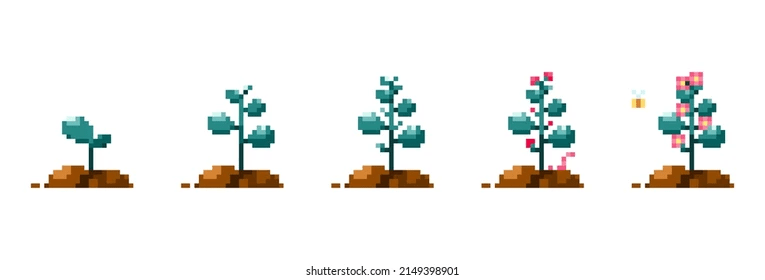
Beside him, a tiny sprout pushed its way through the soil, unfurling a pair of delicate green leaves. “We’re not gone. We’ve just changed. Our light has dimmed, but we’re giving way to life.”

Rusty stared at the sprout, a mix of confusion and wonder filling him. The idea of being part of something bigger brought him comfort. He watched the plant grow stronger, its green tendrils weaving through the remnants of their former selves.

As the days grew shorter and the air crisper, Rusty felt his body softening more, his shell collapsing inward. Yet, his friend’s words remained clear in his mind. “Even in our end, we are the beginning.”

Rusty felt his essence seeping into the soil. The thought didn’t scare him as much anymore. He surrendered to the earth at last, watching the fall leaves drift around him in a flurry of color. It was a peaceful end.

Winter turned to spring, bringing sunshine, birds, and blossoms.

One warm autumn afternoon, Tim and Emma found a tiny pumpkin sprout stretching up from their compost pile. Over the course of summer, this sprout grew into a small pumpkin plant, its vines stretching out, claiming the space that had once belonged to Rusty and the nameless pumpkin. By October, it bore small, round pumpkins—a miniature reflection of those before.

When Halloween came, the twins selected the largest pumpkin from the patch. “This one,” Tim said, holding it up. “Nice and plump.”

Emma nodded in agreement. They carried it inside and laid out their carving tools. That night, as they finished their work and placed a candle inside, the pumpkin’s grin grew wide as the flickering flame filled him with warmth. It was an almost familiar warmth.