So I’ve been dipping back into the blogging world recently and I realized something kind of sad… a lot of the blogs I used to love during college are either inactive or completely gone. Like a ghost town complete with tumbleweeds.🥲
I used to hop on here and scroll through such thoughtful, funny, honest posts. People sharing everything from life updates to poetry to book reviews and rambling thoughts and while that’s not completely gone, many of the blogs I regularly interacted with and community feeling is greatly missed.
I’d love to get plugged back into the WordPress community and discover some fresh blogs to read. So if you have any favorite blogs you follow, or if you blog (please do!), drop a link in the comments! Whether it’s cozy lifestyle content, creative writing, faith-based posts, deep thoughts, or just good ol’ fashioned life updates, I’m right here, friend, and I’m all ears.
Help a girl fill her reader with good stuff again 🫶 Can’t wait to see what y’all share!
Look, I thought self-publishing my book would feel like presenting the world a piece of my soul and everyone would instantly clap at my literary genius *dramatic hair flip*. But let’s get back to reality and discuss it because while I’m not a genius with a masterpiece to produce, the whole process had moments where it felt a sort of like cyclical hell of reformatting the same script over and over again…just to reupload it and see A new problem had been invented by my means of fixing the previous problem. Lovely.
So here, dear reader, are a few poems chronicling my deeply emotional, slightly ridiculous (and mundane) journey with Kindle Direct Publishing. May they bring you laughter, healing, and maybe a slight eye twitch in solidarity.
The Upload Spiral
(A sonnet, sort of. Shakespeare is not impressed.)
I clicked “Upload”—how easy!—with coffee in hand, A hopeful young writer with dreams so grand. But lo! My margins were not flush, my gutter misbehaved, And half of my poem was tragically shaved.
“Bleed error,” it screamed, “Fix your trim size, you doof!” My table of contents went straight up through the roof…(of the page.) I resized and reformatted, cursed Kindle’s name, Then tried a new layout… with results just the same.
I whispered to Canva, “Make me a cover!” She laughed, “Sure thing… but your title’s hungover.” So I rage-ate some chips and prayed to the onedrive cloud, My PDF won’t open. I screamed… out loud.
Formatting Hell: A Memoir in Free Verse
I thought importing a Word doc would be simple. Just CTRL + C, CTRL + V. Easy. Peasy.
Even…lemon squeasy.
Then Kindle turned my paragraph breaks into a n spattered s p a c e d
mess My images migrated to the top of the page like penguins heading north for winter. The title page had opinions, That differed from mine.
rebellion.
Page numbers? They exist in my mind only.
Cover Designer’s Lament
(A limerick)
A gal thought her cover was sleek, ‘Til Kindle said, “Nope. Fix. Then tweak.” The spine was too thick, “This was supposed to be quick,“ Now she cries into Canva each week.
The Final Click
(A motivational spoken-word poem performed under a single spotlight)
I did it. I hit “Publish.” Tears in my eyes,
Will it sell? Will it flop? Will I check the dashboard twice a day for three weeks and then forget I even wrote it?
Yes. Yes, I will. And I’ll do it again, because I’m a KDP author. And I thrive on chaos.
(Or so I tell myself)
In Conclusion…
If you’re about to upload your first book to Kindle Direct Publishing, just know you’re not alone. Your margins may be askew and cause you to weep. Your soul may briefly exit your body when the previewer crashes for the fifth time. But you’ll live to publish again.
And hey, once you’ve cried it out and your book is live, you get to do the most magical thing of all: click “View on Amazon” and text your friends, “Look, I’m famous.”
Welcome to the silliest way to build a fantasy kingdom: where you fill in the blanks and accidentally come up with a setting you might actually want to use.
Grab a pen, your imagination, and maybe a snack if you want to stay for awhile. You’re about to crown a ruler, start a minor rebellion, and possibly invent a highly controversial cheese.
✍️ Step 1: Fill in These Blanks
Before you scroll down, jot down the following:
A color
An adjective that sounds kind of insulting
A made-up material (e.g., moonstone, ghostwood, breadite)
A verb ending in “ing”
Something you’d find in a kitchen
A natural disaster
A food that’s controversial
A weird hobby
A job title that sounds fake
A very serious animal
Something you’d shout in a moment of triumph
A number
A random bodily function
👑 Step 2: Insert into This Kingdom Description
Welcome to the Kingdom of [1]ia, a proud land known for its [2] traditions and abundant [3] deposits. The locals can often be found [4] while balancing [5] on their heads — a sacred rite passed down for generations.
The kingdom was founded shortly after the Great [6] of Year [12], when the ancient warlords of the land finally agreed on one thing: their shared love of [7]. This delicacy is now considered a national treasure, although it’s banned in all neighboring realms due to “moral reasons.”
At the heart of the capital city stands the Royal Spire, home to the ruling monarch — High [9] [10] the Third, who ascended the throne after defeating a rival in a fierce competition of [8].
Each year, citizens gather for the Grand Festival of [13], where the streets overflow with song, dance, and slightly confused livestock. The celebration ends with the ceremonial shout of “[11]!” echoing through the valley.
Come for the [3], stay for the [7], and beware the roaming bands of [10]s that guard the border with alarming enthusiasm.
🧠 Step 3: Reflect on the Chaos that has taken place on your page (In other words, Brainstorm)
Now that you’ve got your kingdom… ask yourself:
Could this be expanded into a full country or region?
What kind of people would live here?
Why is [7] banned in neighboring kingdoms?
Who would want to overthrow High [9] [10] the Third?
What actually happens at the Festival of [13]?
Silly beginnings can turn into rich, layered stories. Humor lowers the stakes and sparks your creativity — so let yourself go off the rails and see what sticks!
🗺️ Bonus Challenge:
Draw a quick, scribbly map of [1]ia. Label:
A mountain made of [3]
A cursed forest full of [10]s
A border town famous for [5]-juggling
And there you have it, friends! Feel free to share your creations in the comments and let me know if you’d like more writer mad libs! Take care!
AKA: Yes, You Should Write That Cringy Avatar Fanfic
Oh, 15-year-old me. Curled up on the family desktop after school, typing out wildly dramatic plotlines where a girl finds out she has the powers to control all 4 natural elements who is definitely just me in disguise. You were doing your best. And honestly? You were onto something.
There are so many things I’d tell you if I could. Not because you were doing it all wrong but because I now understand just how right it was, even when it felt like complete and utter nonsense at the time. And just plain cringy to high school me. Forgive her sneering at your work.
So here it is. A letter of sorts. From the grown-up you, to the one who stayed up too late posting on fanfiction forums and thinking no one would ever take her seriously:
1. Don’t Delete Anything. Seriously. I know. You want to. It feels so cringe. You reread your old stories and immediately want to toss your laptop into the nearest volcano. Resist the urge.
Every awkward sentence and every overly dramatic plot twist is proof you are a writer. You were writing! You were learning! You were creating! That “bad” writing? That’s the compost that future stories grow in. Keep the files. Keep the notebooks. Keep the Wattpad drafts. One day, you’ll look back and smile and maybe even reuse a line or a character name you forgot you loved.
2. Don’t Be So Self-Conscious No one is watching you as closely as you think. You’re allowed to be messy, weird, experimental, emotional. That’s the whole point. It’s not a performance. It’s an outlet, a joy, a spark. Let yourself be fully into it, cringe and all.
And no, writing doesn’t have to become your job for it to be “real.” It can be a hobby. Or A side hustle. Or a comfort you come back to on the hard days.
3. Writing Is Still Hard But Worth It Spoiler alert: You don’t magically “arrive.” Writing as an adult still feels hard sometimes. There are days you’ll doubt your talent, feel stuck, get jealous of someone else’s book deal. But the satisfaction of weaving a story is still present. The joy of a sentence that feels perfect or a character who surprises you? Still as sweet. You didn’t grow out of it. You grew with it.
4. Fanfiction Is Valid. Fanfic taught you how to write dialogue, how to build tension, how to stick with and finish things. You learned pacing from serialized chapters, developed character arcs by borrowing from established ones, and stayed consistent because people in the comments said “update soon!” That’s gold.
So yes. Write the cringy Avatar the Last Airbender fanfic. Make it 100K words if you want. You’re learning how to tell stories.
5. Keep the Dream but Let It Change You still dream of writing full time. And that dream is still alive, still beautiful and even still something worth chasing. But your life isn’t on pause just because it hasn’t happened yet. Every piece you write now—every blog post, poem, unfinished story is part of a rich, creative life. You’re doing it already, me. You’re already a writer.
So to my 15-year-old fanfiction self: You didn’t waste your time. You weren’t silly (ok maybe a little but it’s ok and acceptable).
Keep going. And yes. Your OC definitely was the Avatar and was so totally unique. She saved the world too. The readers voted (me). It’s canon now.
Some people keep spreadsheets to track their writing projects. I, however, prefer chaos and absolutely unnecessary metaphors. So today, I bring you a survival report from the windowsill of my brain, where my various book projects live like needy houseplants (many desperate for water and fertilizer). Some are thriving. Some are shedding leaves. One may be compost by now. Come on inside, dear reader and let’s check in, shall we?
1. The Cottagecore Christian Poetry Book (Christ, The Cottage, & Me) Status: Vibrantly alive. Blooming. Green as can be.
This one is my thriving fiddle leaf fig. You know, the dramatic kind that requires attention and soft lighting but rewards you with beauty if you treat it right. I’ve been misting this plant faithfully for months (aka actually editing and writing consistently), and it’s nearly ready to be potted in something final and pretty. And let me tell you, I’m SO ready to enjoy the blooms. It’s the narrative poetry book about a girl in a cottage who shares daily life with Jesus. Cozy? Yes. Spiritual? Also yes. Almost finished? YOU BET. I’m just fussing with the final leaves before I give it a name tag and place it on the shelf with pride. It serves as proof that I CAN have a green thumb sometimes when I actually try and remember to water it.
2. The “Living Alone” Book Status: That one houseplant that’s… still alive? Technically?
Ah, this one. My little pothos in a cup of water. Not potted. Not dead. Just vibing in a state of suspended existence. This book started as a collection of tips, thoughts, and odd anecdotes from when I first moved out on my own. It’s half finished and half “maybe I’ll come back to this when inspiration strikes or I feel the urge to talk about the time I cried while assembling Amazon furniture.” It’s hanging out on the kitchen counter of my mind, roots growing slowly. Might thrive. Might not. Who knows? It’s future is undetermined at the moment.
3. The Lighthouse Girl Poetry Book Status: Seedling. In the germination station. Do not disturb.
I don’t want to say much yet, but let’s just say something tender and glowing is sprouting. It’s the spiritual sequel to the cottagecore book, but this one takes place by the sea. That’s all I’ll say. Don’t crowd it. It’s very delicate. It knows when it’s being watched.
4. The Fairytale Mystery Novel (SNOW) Status: Dormant. Possibly in cryogenic freeze.
SNOW was a burst of ambition of mine. A fairytale mystery with plot, twists, and actual chapters. I wrote a full draft, then a second half-draft, and then I stared at it like a succulent that’s gone leggy and weird. The story is technically there, but it needs pruning, restructuring, and maybe a resurrection spell. Honestly, I’ve emotionally moved on. Will I come back to it in five years and think, “Oh, this isn’t bad”? Possibly. Will I do it tomorrow? Not likely. I’m not watering it. But I haven’t tossed it in the compost heap either.
And that’s it!
So there you have it: a tour through my little greenhouse of stories. Some are thriving under gentle care. Some are barely hanging on. One is humming a sea shanty. And one has been wrapped in a blanket and placed in storage like a tulip bulb.
If you’re also a writer with a shelf of plant-like projects, just know: survival is subjective. Growth is sneaky. And sometimes, a half-forgotten draft flowers when you least expect it. 🌿
Some stories don’t make it. I’m sure you’re already WELL aware of that if you’re a writer. Not because they weren’t good, or because you didn’t care enough, but because something shifted. You outgrew it. Life got busy. The plot unraveled. Or maybe the fire that lit it up when you first started just… dimmed. It doesn’t interest you anymore.
And now it sits in your drafts folder, collecting dust or …uh… pixels.
If that’s where you’re at: I see you.
So here’s a little post I’ve been wanting to write for awhile on mourning the death of your story and what you can learn from the whole thing. Very similar to my post on knowing when to quit on a story, this post will focus on the after and the questions you can critically ask so you can grow and learn. Otherwise, the experience can be discouraging and it feels like you just dumped your time into a project that never showed tangible results. So let’s try and avoid that. 🙂
Read It With Curiosity, Not Criticism
When you’re ready, go back and reread the draft. Not to fix it, but to understand it.
Ask yourself some qestions such as:
What parts still make you feel something?
What parts confused you or dragged?
Where were you trying too hard to be someone you’re not as a writer?
Remember: you wrote that version of the story with the skills and heart you had then. That’s a snapshot of a creative moment in time. It deserves to live on. Please, please, please don’t delete no matter how cringe and blackmail worthy this piece might be.
Look for the Seeds You Can ReplantElsewhere
Even if the story didn’t grow into what you imagined, that doesn’t mean it was wasted. Often, buried in “dead” drafts are pieces worth saving:
A compelling side character
A setting that still sparkles in your mind
A line of dialogue that makes you sit up and whisper, “That’s it.”
You might not resurrect the whole story but you can borrow from its bones. Let it compost into something new.
Track Your Creative Patterns
Unfinished stories are often full of clues about yourself. It holds your interests, your hang-ups, and what you feel is important.
Try this:
Make a list of your abandoned stories.
Jot down what each one was trying to explore (themes, feelings, questions).
See what repeats.
You might realize you always write about lonely girls and overgrown gardens. Or that your stories die when the middle turns into a slog. That kind of self-awareness? Invaluable. Plus you can use it to inform your creative decisions moving forward. Try and place what you wanted from this draft.
Final Thought:
It’s okay if the ending never got written. And who knows? One day you might go back. Maybe not to fix it, but to pick up where you left off. Or not. Either way, the story gave you something.
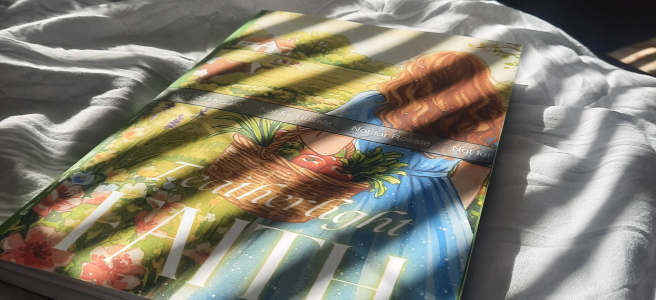
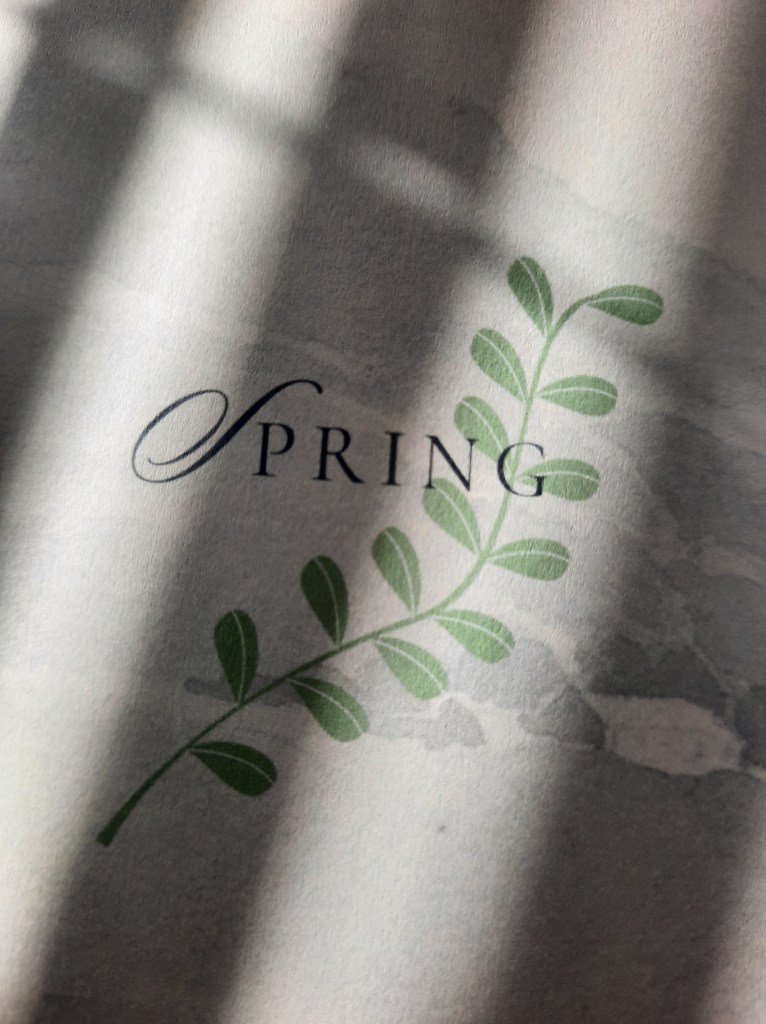
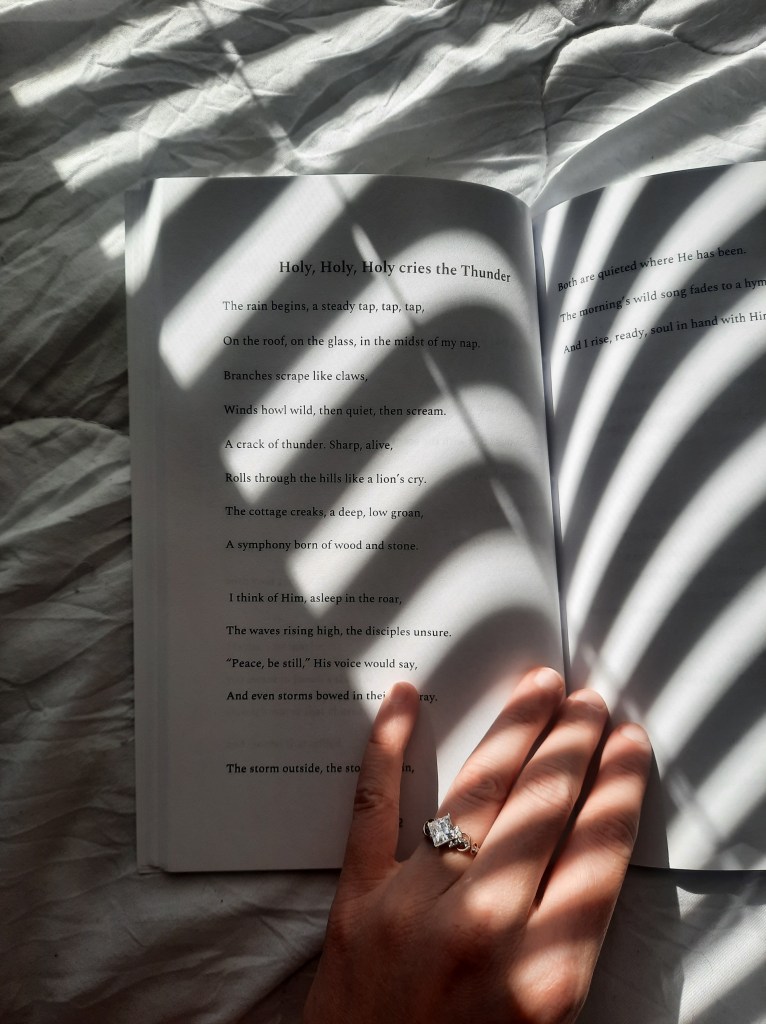
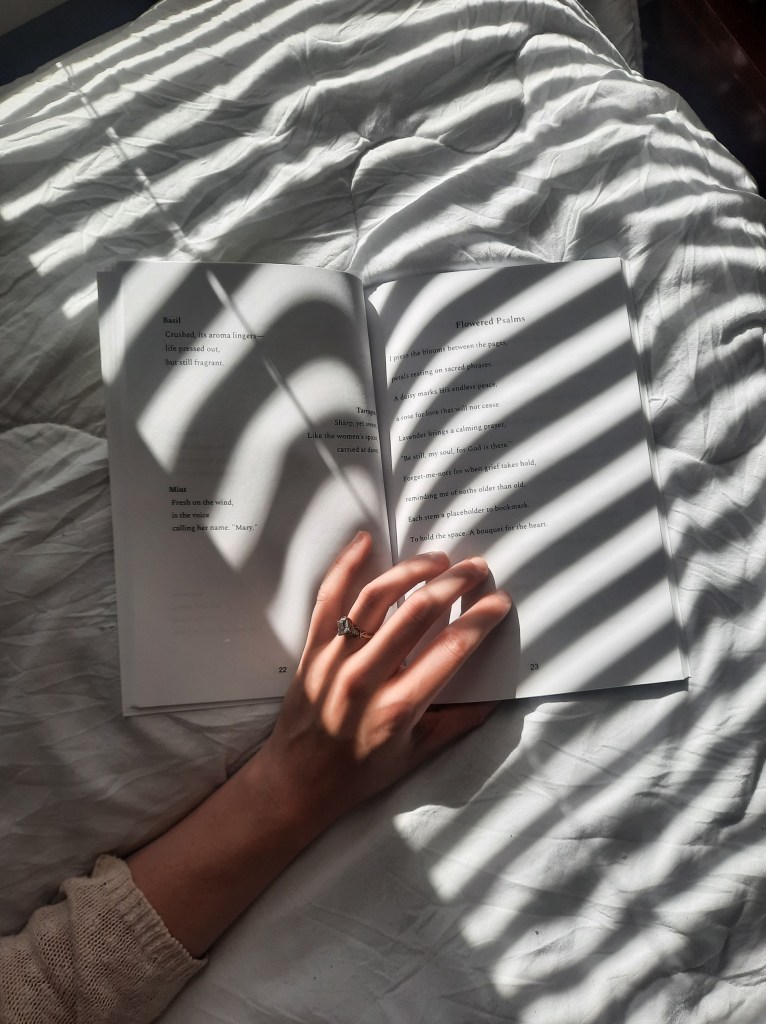
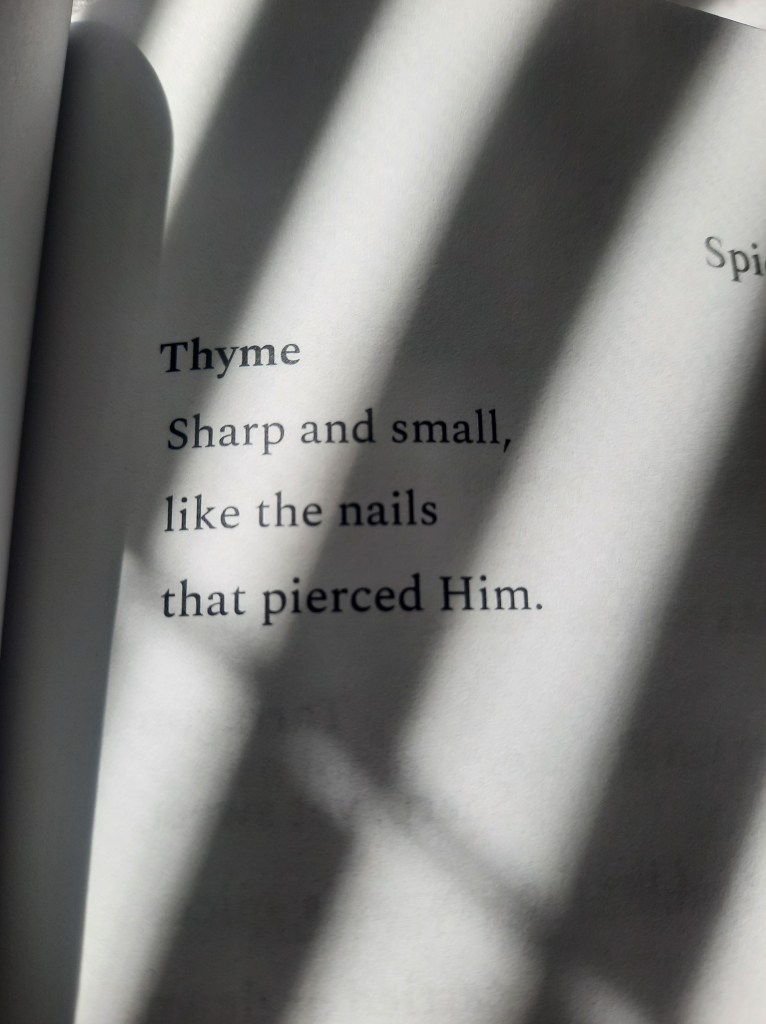
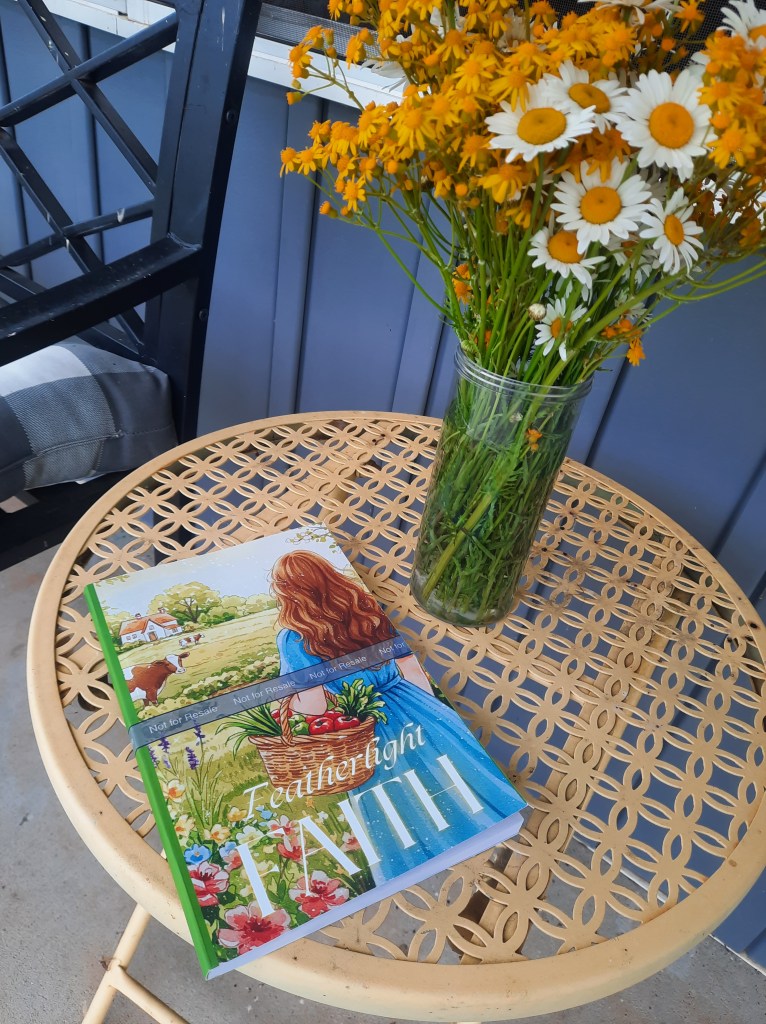
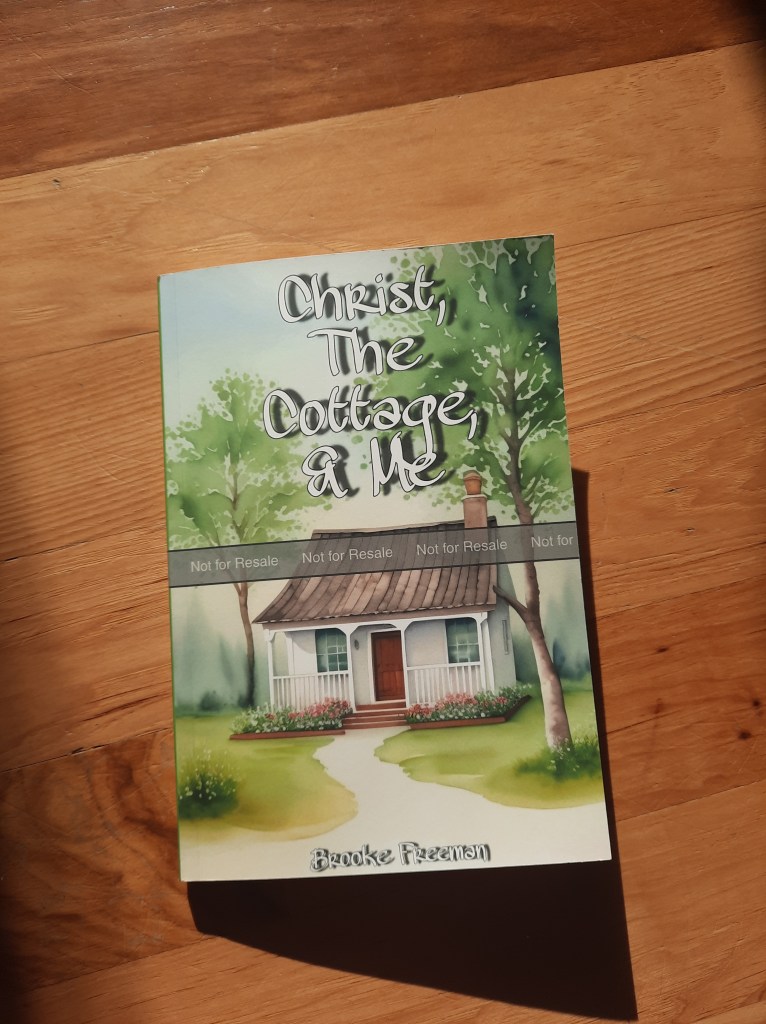
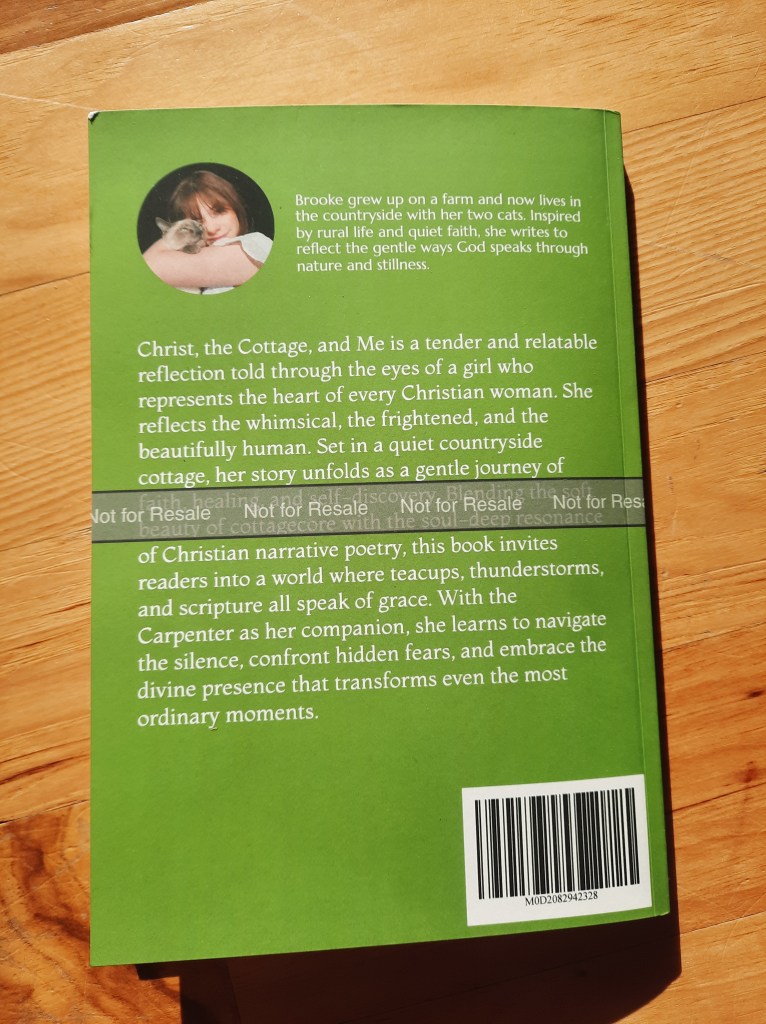
Cover reveal!Notes I’ve already made of things that need to be added and fixed.The book’s poems are separated by seasons. Back bio!
Aaaand I’m officially in the thick of the ongoing battle that is trying to get it published through KDP. If you’ve never wrestled with Kindle’s formatting system, let me just say: it’s an extreme sport. This time around, my main enemy has been margin sizing. (Margins! The most boring yet somehow most powerful force known to man.) A few of my poems that originally played around with white space had to be rearranged, which was honestly heartbreaking. There’s nothing like fighting for your artistic vision against a stubborn little “your margins are off” warning box.
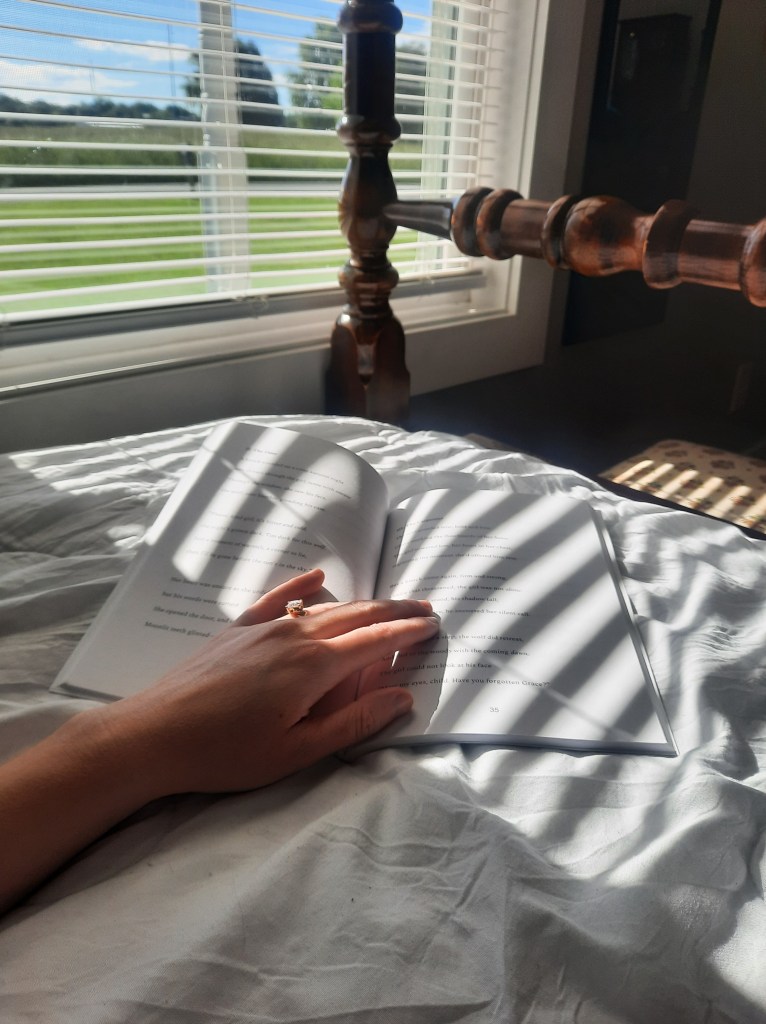
But!! After many rounds of staring at my laptop, dramatically sighing, and reworking layouts, I finally got my proof copy in the mail today! For those who don’t know, a proof copy is basically the version you get to lovingly (or not-so-lovingly) scribble edits all over before you fix everything and upload your final manuscript. I immediately busted out my pen and started making notes because, of course, the second you see your book in print, all your little mistakes jump out like “SURPRISE! You missed me!”
The book ended up being about 100 pages of narrative poetry, telling the story of a girl who lives in a cottage and her various adventures and conversations with the Carpenter (a stand-in for Christ). It’s cozy and intimate and feels like sitting on a creaky wooden porch, sharing life with someone who knows you inside and out. There are poems about baking bread, going on little walks, asking hard questions, sitting quietly, making things by hand…all the small, sacred moments that make up a life of faith.
I’m honestly so excited (and so nervous) to share it when it’s ready. It’s one thing to write poems privately; it’s a whole other thing to send them out into the world and hope they land softly somewhere. Either way, just holding a physical copy of something I made…even a messy, needs-edits version…feels surreal and really, really special.
Thanks for cheering me on through all the margins, the formatting fails, and the many, many sighs. I can’t wait to show you more soon! 💛
Few things are more satisfying in a story than a well-executed plot twist. The kind that makes readers gasp, flip back a few pages, or text their friends in all caps. A great twist doesn’t just shock. When done CORRECTLY it deepens the story, redefines characters, or forces the audience to see events in a new light. But how do you craft a twist that doesn’t feel forced, cheap, or predictable?
The key to a successful plot twist is planting subtle clues throughout your story while keeping the big reveal hidden until just the right moment. Below is a list of plot twists you can use, adapt, or mix into your writing to keep readers on their toes. I will reiterate though that plot twists need to be BUILT into a story. They’re not supposed to be cheap punches to invoke a response from your reader. Pacing is everything. Clues are everything. Hints are everything. The devil is literally in the details! Anyways, enough precursors and disclaimers. I trust you with my list of plot-twists. (I’m assuming you’re a big kid writer who knows exactly what you’re doing! Don’t all writers know exactly what they’re doing ahaha….)
Classic Identity Twists
The protagonist is actually the villain but doesn’t realize it.
A trusted ally was working against the hero all along.
The villain is secretly related to the protagonist.
The protagonist’s memories have been altered or erased.
The main character isn’t who they think they are—a clone, an imposter, or someone else entirely.
Revelations About the Past
A seemingly minor character was the true mastermind behind everything.
A past event didn’t happen the way everyone remembers.
The protagonist was unknowingly responsible for a tragedy.
The villain is actually seeking revenge for something the hero did.
The hero was lied to about their origins or purpose.
Unexpected Alliances & Betrayals
The hero and villain must work together to stop a greater threat.
A sworn enemy turns out to be a long-lost friend.
The mentor figure betrays the protagonist at a crucial moment.
A character thought to be dead is alive—and has switched sides.
The sidekick was the real hero all along.
Reality-Shifting Twists
Everything was a simulation, test, or dream—but the consequences are real.
The story is actually taking place in a different time period or world than initially believed.
The narrator has been unreliable, misleading the audience the whole time.
Magic or supernatural elements exist in what was thought to be a realistic setting.
The protagonist is not the first version of themselves—they’ve been replaced, cloned, or resurrected before.
Unexpected Outcomes
The villain wins, and the hero must find a way to live with it.
The big battle never happens because the conflict was a misunderstanding.
The supposed chosen one is a fraud—or the real chosen one is someone else.
The hero gets what they wanted but realizes it wasn’t what they needed.
The villain was never actually evil—just misunderstood or manipulated.
Final Thoughts
And here is the conclusion where I restate my hypothesis-er, intro I mean. A great plot twist isn’t just about shocking your readers. It should enhance the story, add emotional weight, and feel earned. By layering foreshadowing and character depth, you can craft twists that will surprise without feeling random. Do you have a favorite plot twist from a book or movie? Or have you written one you’re especially proud of? Share it in the comments! I love reading everything everyone has to share.
Look, I’m not saying I’m a trend forecaster or anything, but I am saying I have a lot of feelings about things right now. Spring has me in a refresh-and-renew mood. Think open windows, iced drinks, and a chaotic urge to either completely change my life or do absolutely nothing. There’s no in-between. I live in a world of extremes…
So here it is: a completely arbitrary and highly personal list of what I’m loving lately and what I’m politely (or not so politely) retiring. No real logic. Just vibes.
🌸 What’s IN (aka bringing me unreasonable joy lately)
Cream soda – I don’t know why this tastes like childhood nostalgia and magic at the same time, but it does. Bonus points if it’s pink.
Cute coffee shops – I’m talking mismatched mugs, plants in every corner, and baristas who remember your name. We’re romanticizing our lives this year.
Taking walks everywhere – Walking as a personality trait? Absolutely yes. Give me sunshine, a good playlist, and no real destination.
Impressionistic art – Big yes to blurry florals and soft, moody landscapes. If it looks like a daydream, I’m into it.
Gas station snacks – High-end cuisine? No thanks. Give me peach rings and a questionable corn dog.
Retro games – N64, pixelated chaos, that clunky PS1 startup sound. Inject that straight into my bloodstream please.
Pasta – Any kind. All kinds. Pasta is self-care now.
Formal gowns for no reason – Go ahead, wear that dramatic dress to buy toilet paper. I support you.
Saying “no” to protect your mental space – Revolutionary, honestly. I feel like I have to remind myself to do this at some point every year. Gotta keep that FOMO in check.
Giving people the benefit of the doubt – Life’s weird for everyone. Let’s chillout for a second and maybe stop making character assessments of everyone on the interstate just because they didn’t use a turn signal once. Draining honestly and yet I indulge.
Microwave popcorn – The perfect snack for every situation. Salty, satisfying, and takes two minutes. Iconic.
Herb gardens – Even if it’s just one sad basil plant on a windowsill. We’re farming now.
Petting as many cats as possible – If there’s a cat, I’m stopping. Priorities.
Body spray – Strong 2006 mall energy.
Changing your bedding regularly – Like hitting a mental reset button. Plus clean smelling sheets are *chef’s kiss*,
🧼 What’s OUT (aka, I’m over it)
Buying ingredients but never cooking – If I have to throw out one more wilted bunch of cilantro…
Cheap soap – We are grown. Our hands deserve better.
Grudges – Too heavy to carry. Let it go, Elsa-style.
Cruddy socks that need to be replaced – Why do I still have socks with holes in them?? And why does it feel illegal to just throw them away?????
Plain coffee – I want cinnamon. I want foamed milk. I want joy.
Falling asleep to your phone/TV – No more scrolling into the void. Let’s reclaim bedtime.
Minimalism – Bring back cluttercore. Give me trinkets. Give me personality.
6am alarms – Unless it’s for something exciting or airport-related, no thank you.
Self guilt – You don’t have to earn rest or joy or snacks. Be nice to yourself.
Hanging in groups that make you feel bad – Nope. Friendship should feel like sunshine, not stomach knots.
Not complimenting people but still thinking it – Just say it! Give strangers their flowers!
The color grey – It’s giving “dentist office.” Let’s inject some color into our lives.
Monochrome stuff – Matchy-matchy is out. Chaos layering is in.
Anyway, that’s where I’m at right now. Spring is the time to throw open the windows, eat snacks that make no sense, and maybe (just maybe) give yourself a break.
Tell me what’s on your in-and-out list. I love knowing what little things are making people happy lately.
Creating a compelling character isn’t just about giving them a name and a goal to achieve. It’s also about making them feel real to your reader. And what makes someone feel real? The little things. The devil’s in the details.
The way they tap their fingers when they’re nervous, the fact that they always hum while making coffee, or their unshakable belief that their lucky socks will change their fate. These quirks and habits add layers of depth and relatability, making characters leap off the page and stick in readers’ minds.
If you’re looking to add some personality to your cast, here’s a list of quirks and habits you can use or adapt to fit your story. Whether you’re writing a hero, a villain, or someone caught in between, the right little detail can make all the difference.
Common Quirks & Habits for Your Characters
Nervous Habits
Biting nails or lips
Tapping their foot incessantly
Playing with hair or twisting rings
Cracking knuckles, neck, or back
Tugging at sleeves or clothing
Fidgeting with small objects (coins, pens, paperclips)
Avoiding eye contact when lying
Endearing or Quirky Traits
Always carrying a lucky coin, stone, or charm
Collecting something odd (bottle caps, pressed flowers, old receipts)
Talking to plants or inanimate objects
Inventing their own slang or catchphrases
Always misquoting famous sayings
Assigning personalities to everyday items
Laughing at their own jokes (even the bad ones)
Food & Drink Habits
Always ordering the same thing at a restaurant
Hating foods for strange reasons (e.g., “Bananas feel too smug”)
Stirring their coffee exactly three times before drinking
Eating one thing at a time, never mixing food on their plate
Refusing to drink from a cup with a crack, no matter how small
Preferring drinks at specific temperatures (lukewarm coffee, ice-cold soup)
Daily Rituals & Superstitions
Checking their horoscope religiously
Only walking on certain-colored tiles
Always taking the same route, even if it’s inconvenient
Refusing to use red ink because “it’s bad luck”
Making a wish on every stray eyelash
Never leaving home without their signature accessory
Work & Study Quirks
Always writing in a certain color of ink
Organizing their desk in a very specific way
Talking aloud while working through problems
Writing notes on their hands, even when they have paper
Needing total silence—or total chaos—to focus
Humming or tapping when deep in thought
Broadly, Why Quirks Matter
A well-placed quirk can serve multiple storytelling purposes. It can:
Reinforce personality traits (A meticulous scientist always straightens picture frames)
Hint at backstory (A soldier always sits with their back to a wall)
Create humor (A character refuses to eat food that touches on their plate)
Build relationships (Two characters bond over their shared habit of doodling on receipts)
Quirks make characters feel human and help readers form emotional connections. A perfectly polished, flaw-free character is forgettable. A character who double-checks that they locked the door three times? That’s someone we recognize. We look at the character and see ourselves, friends, and family members.
Final Thoughts
Character quirks are the seasoning that makes a good character great. The right mix of habits, tics, and eccentricities can turn a flat character into a vivid one. Feel free to share your favorite character quirks and ideas in the comments below. I always love reading comments!






 By the Brooke