I don’t talk about my faith a ton on the blog. Not that I am ashamed of it but it’s something I usually I don’t delve too deep into as most people are probably here for writing tips and random writing experiments. BUT when I write poetry, it tends to spill out in all its honest glory. My next poetry book is all about love lost and God. The heartbreak stuff, the deep stuff, the wrestling-through-questions kind of stuff. It’s the most vulnerable I’ve been with my writing in a while, admittedly.
I wanted to give you a little sneak peek. If this sounds like your cup of tea at all, feel free to keep reading. If not, see ya in the next post, I’ll not hold it against you 😉
This poem came from one of those thoughts that just wrecks you in the best way: Do you think Jesus, when He prayed in the garden, thought about Adam and Eve? About walking with them in the cool of the day? And did He already know that His sacrifice would reach all the way back to redeem even them?
I had never considered that before and when I did, the parallel seemed interesting. So, naturally, I wrote a poem about it.
Here it is: The Tale of Two Gardens
The Tale of Two Gardens
Do you think, when Christ knelt in the garden all alone,
That He thought of the first breath, or the first bone?
Of footsteps that walked on soil in the cool of the day
Two souls unashamed, then two led astray.
Did He think of the fruit, the reaching of hands,
Yearning beyond what he commands.
Of fig leaves stitched with a shiver of dread,
Of paradise lost, and the very first tears ever shed?
Did he think of their conversations with his first own,
As He whispered His prayer in that garden of stone?
Did He see not just thorns but a tree once denied,
Where mercy was given, but they were not yet justified.
He sweat drops of blood where they once walked free,
But even then, grace reached backward, far beyond what we see.
Redemption is deeper than we understand.
It touches the first folly of humans, the Savior’s extended hand.
And Father, perhaps, when night turned to day,
And the stone rolled back from where Love chose to stay,
The echo of Eden rang sweet through the skies,
For even the first ones were brought back to life.
Minimalist poetry is a curious art form. On one hand, its simplicity can be breathtaking, distilling complex emotions into a few perfectly chosen words. On the other, it can sometimes feel like it crosses the line from evocative to, well, lazy. The debate on whether minimalist poetry is inspired or just minimal effort has only grown with the rise of social media.
One of the most famous examples of minimalist storytelling is often attributed to Ernest Hemingway, though its authorship is debated:
“For sale: baby shoes, never worn.”
Six words. That’s it. And yet those six words pack an emotional punch that lingers far longer than some novels. The story leaves gaps, but in a deliberate way. We, as readers, fill those gaps, and in doing so, we become co-creators of the story’s meaning. The economy of language isn’t a flaw here; it’s the whole point.
This, in my opinion, is minimalist poetry at its best. It’s clever, intentional, and layered. The writer has done their job by crafting a framework that invites you into its world, offering just enough to ignite your imagination.
But then there’s the other side of minimalist poetry, the kind that’s been popularized by Instagram and TikTok poets. These poems, while often beautifully packaged in neat fonts and pretty backdrops, sometimes feel hollow. They can be so sparse that they rely almost entirely on the reader to find meaning where there may not have been much intention.
I’ll admit, I’ve spent far too long scrolling through Instagram poets’ pages, trying to glean the mass appeal of their work, but more often than not, I just don’t get the hype. Atticus, one of the most well-known Instagram poets, is a prime example. His work is often beautifully presented—each poem feels like it’s been carefully curated for aesthetic appeal. But when I read the actual words, I sometimes find myself wondering: Is this it?
Take this Atticus poem, for instance:
“She conquered her demons and wore her scars like wings.”
Now, this isn’t necessarily a bad poem. It’s empowering, and I’m sure it resonates deeply with many people. But does it feel crafted? To me, it’s a nice sentiment wrapped in poetic phrasing, but it lacks the depth and precision that truly memorable poetry offers. It’s easy to read, easy to share, and looks great on a Pinterest board—but does it challenge or linger in the reader’s mind?
Or take a hypothetical minimalist poem like:
“The sky is blue. I feel, too.”
Is it poetry? Sure. Is it meaningful? It could be, depending on how the reader interprets it. But at some point, I think the burden of creating meaning needs to be shared more evenly between the poet and the reader.
So, is that a problem?
I think it depends on how much work you believe the reader should put into the process of poetry. In some ways, all poetry is a collaboration between the writer and the reader. Even a densely worded, highly descriptive poem leaves room for interpretation—it’s part of what makes poetry so powerful. But minimalist poetry amplifies that collaborative element, sometimes to the point where the writer’s role feels diminished.
At its best, minimalist poetry uses its sparseness to make every word essential. The space between the words isn’t empty; it’s charged with meaning. At its worst, it can feel like the poet handed you a blank page and said, “Figure it out.”
Social media has undoubtedly democratized poetry, which is a beautiful thing. But it has also encouraged a kind of fast-food poetry, where pieces are churned out quickly for likes and shares. Some of these poems are deeply moving, proving that a few well-placed words can touch hearts around the globe. Others feel more like placeholders, banking on the reader’s goodwill to imbue them with meaning.
Ultimately, whether minimalist poetry is lazy or inspired comes down to intention and execution. If the poet has truly worked to make each word count, the results can be stunning. If they’ve used minimalism as a shortcut, it shows.
For readers and writers alike, the challenge is to discern the difference. Everyone’s answers are going to be different of course. That is the fun (and sometimes irritation) when it comes to art.
Welp, I think that’s all my thoughts on the matter. Thanks for listening and feel free to continue the dialogue in the comments. Do you enjoy minimalist poetry? Are you perhaps more brilliant than me and understand the hype? Or do you have similar concerns with lazy, (and often) formulaic art appearing more and more mainstream? Am I actually just a pompous jerk who is overly critical (also perhaps).
“Stop worshipping answers,” the wise ones declare, In the quiet of wisdom, breathe the open air. For truth is a river, winding, untamed, In the dance of questions, knowledge is named.
In the hush of the cosmos, where mysteries reside, The seeker finds solace, on truth’s gentle tide. Not in rigid doctrines or dogmas confined, But in the ebb and flow of the curious mind.
Let queries unfurl like petals at dawn, In the garden of wonder, where wisdom is drawn. Each puzzle, a thread in the fabric of thought, A tapestry woven, in questions, we’re taught.
The stars in their silence, the oceans profound, Whisper the secrets that answers can’t sound. For the essence of knowing is not in the end, But the journey through questions, a lifelong friend.
So cease the relentless pursuit of the final, Embrace the uncertainty, the enigma, the primal. In the chapel of wonder, let questions be sung, The hymn of the curious, forever young.
I’m afraid we’re reaching that point in the semester! Winter break is right around the corner and I’m very ready to welcome it with open arms. Until then, however, enjoy a collection of a few choice haikus that I have written over the past couple of weeks. I generally recover from semester burn out after Thanksgiving as I can just see the light at the end of the tunnel. Finals are oh-so-close but regardless, maybe a few tired adults (or even teens) out there can relate as to my mood in recent days.
Just a fun little post about types of aesthetics that I find appealing and oh-so-cute! I’m a pinterest girl so it was only a matter of time before this post came to fruition. Enjoy, my fellow pinterest gremlins!
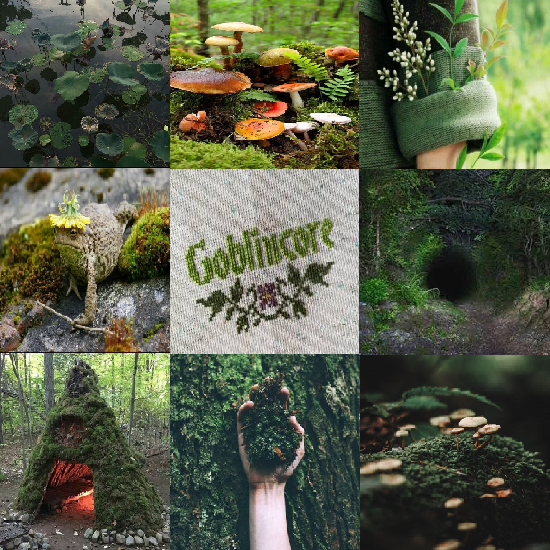
Goblincore
Because I like shiny things. This aesthetic thrives on shiny, colorful stones, cool little trinkets, and the love of soup. Coincidentally, these are the three things I prioritize in life.
I love the raggedy style of the outfits and the emphasis placed on mushrooms in this aesthetic. It reminds a little bit of fairycore but “muddier” if that makes sense. I feel like Fairycore is the pastel cousin of Goblincore just like how Crowcore is the goth cousin of Goblincore. I don’t know if that made sense…
Cottagecore
This aesthetic basically encapsulates my dream life. A mysterious but cute cottage in the woods, a garden, bread, cats, and tea. I love the european style houses as well as the plant type of decor. It really seems to romanticize a simple life and really resonates with broke college students such as myself.
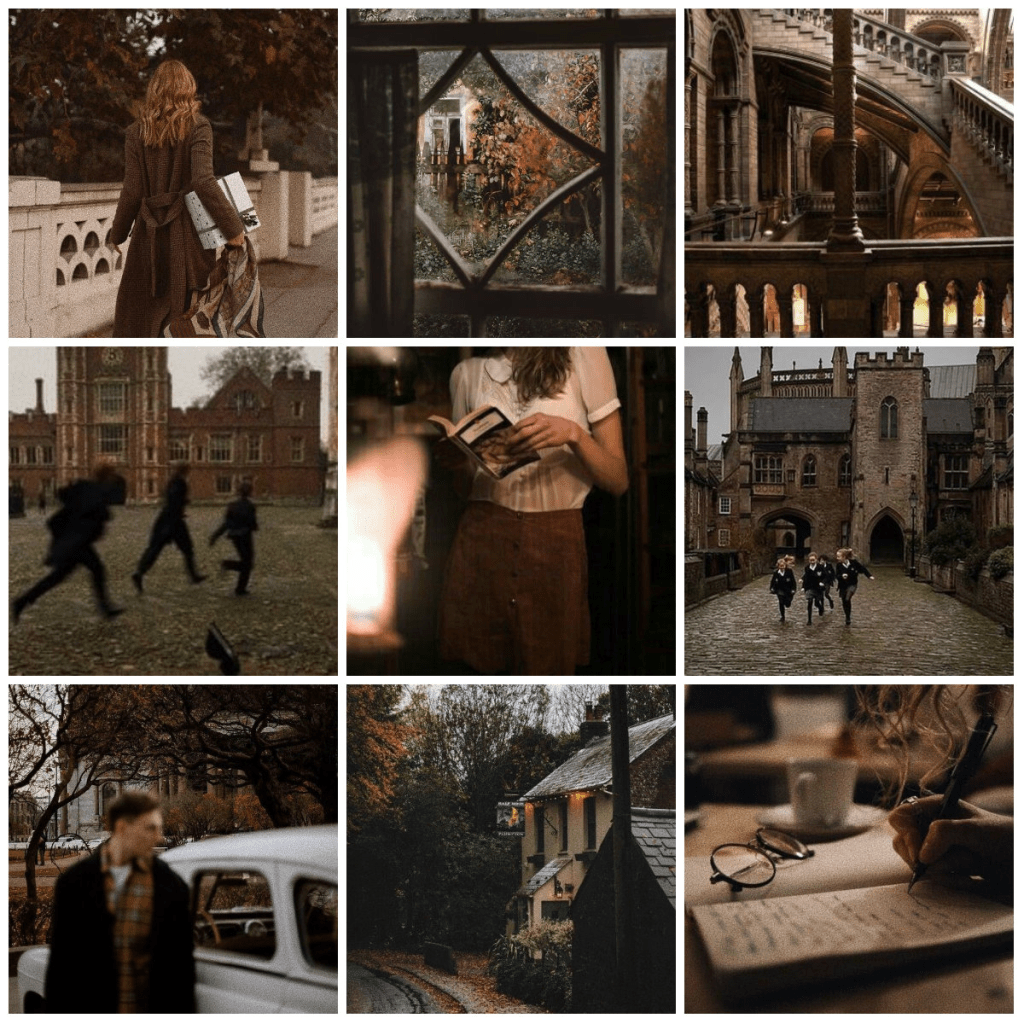
Dark Academia
The aesthetic that would make you actually like school. One thing I think it neat about this aesthetic is it helps people romanticize education which I find valuable. It’s easy to get lost in the drudgery and repetition of school. This aesthetic, however, injects a little more magic into it.
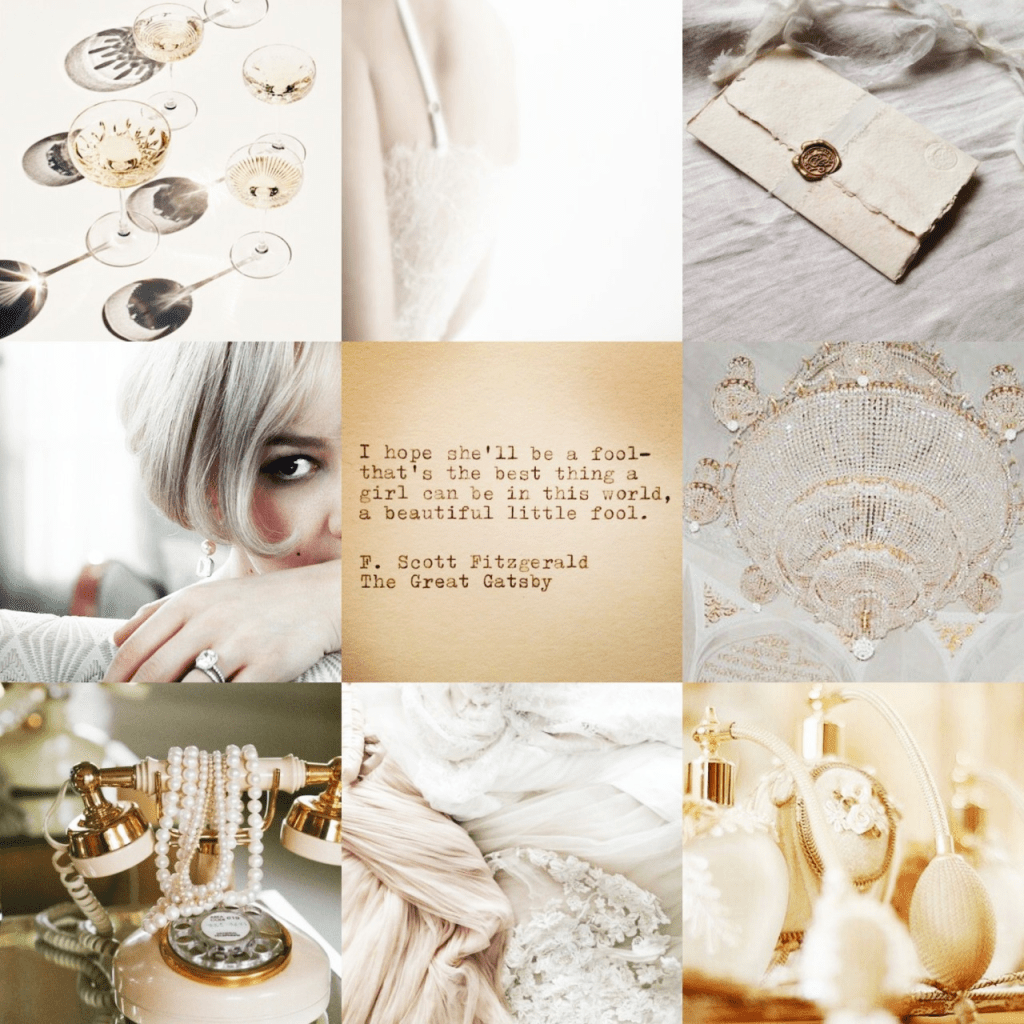
Pearlcore
A rather dainty and classy aesthetic, I can’t help but appreciate the airy and graceful vibes that Pearlcore encapsulates. Not to mention I’ve always been a sucker for vintage looking decor and outfits. Truly the finer things in life.
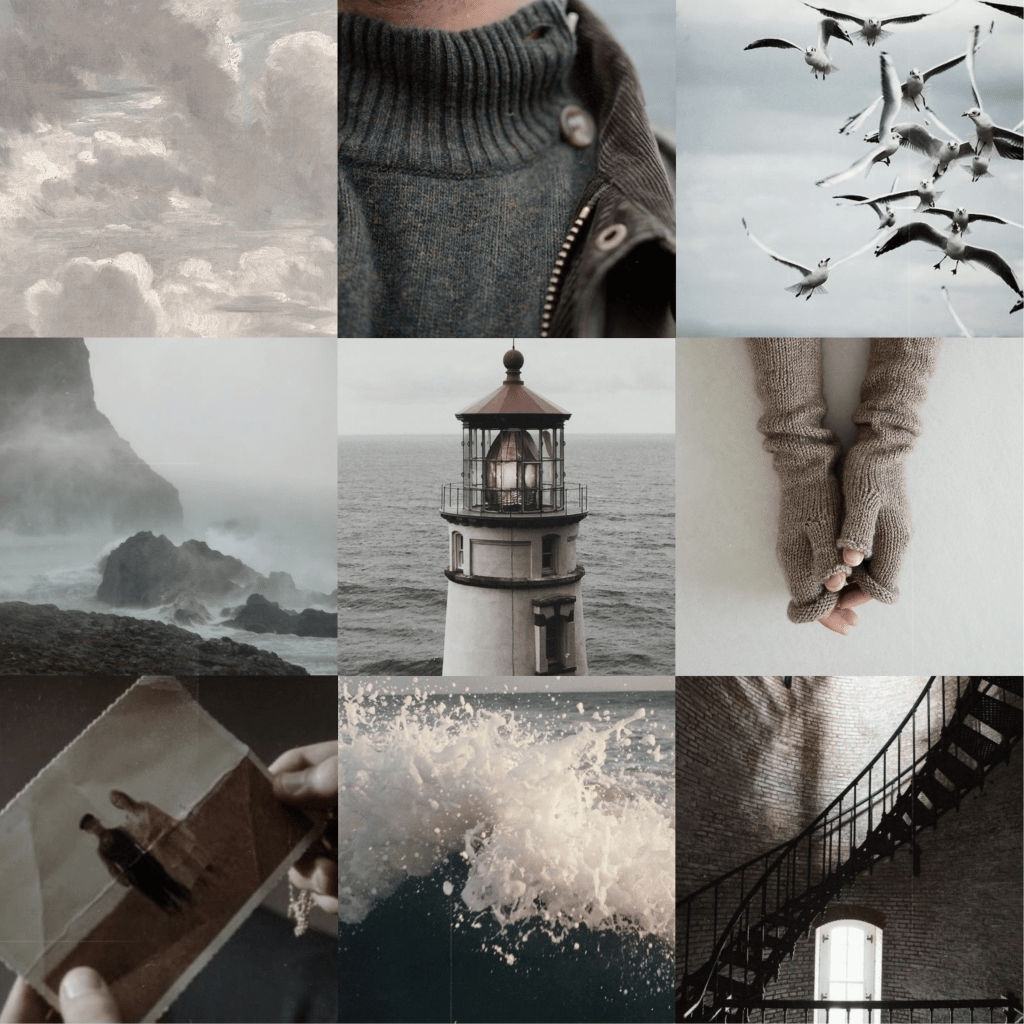
Lighthousecore
The beach house aesthetic was never my cup of tea. Lighthousecore, on the other hand, is a whole different story. With all the vibes of “Moby Dick”, this aesthetic looks like something of an introvert’s dream. It’s a very simple aesthetic, emphasizing dark, stormy horizon’s, violet waves, yellow raincoats, and the beauty of grey cliffsides. This aesthetic is as beautiful and haunting as it is moody and I adore it.
And that’s it for now! I think there are probably more aesthetics I’d love to share with ya’ll so perhaps there’ll be a part two to this post? Maybe be on the look out for that?
Also! A little mini announcement! A will be doing a collab/guest post with Corrie from over at Miraculous Homeschool so definitely be on the look out for that coming soon!











 By the Brooke