Romanticizing being an Author over actually Writing: A Discussion of Age of Scorpius

Tiktok being in my life has brought me very little positives if I’m being real. A time suck at worst, most days, an overwhelming source of writing tips and information I can barely process at best. That being said, it did make me aware of an interesting situation that was unfolding on the booktok side of the app. I’m going to give you a quick recap if you’re not aware of what has been going down, maybe because you are spending your time actually being productive and are NOT chronically online. Sooooo…. let’s get started.

Ok. So. Our story begins with Audra Winter, an aspiring author who through her various tik toks promoting her book, amassed an audience eagerly awaiting the release of her first book, Age of Scorpius. Her world was based on a magic zodiac system that I will not be delving into at this time, but just know, people were excited. I think naturally, people love to sort stuff, especially when it comes to book factions. I think that’s one of the secrets behind the Hunger Games or Harry Potter success so perhaps the same thing was occurring here. It also didn’t hurt that she had an amazing team of artists on her side. She commissioned character artwork, helping people visualize the characters and the world and, as someone who has seen this artwork, it is GOOD.
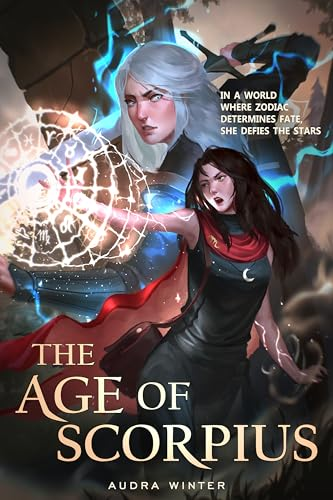
So the stage is set. Everyone is pumped and she announces she’s going to be publishing her book. Pre-orders come flooding in. It’s a success before it has even found its way into the hands of readers. But then it did…

Age of Scorpius received overwhelmingly negative reviews for poor writing, plot, and editing, despite its viral marketing. Due to the backlash, Audra is reportedly re-editing the book for a new edition, as the first version is no longer available. Wow. Yeah.

So, what happened here exactly? Is the book that bad? According to the overwhelming majority of reviews, yes. And from the passages I have read, also yes. The book reads as a first, unedited draft. I’m not going to pretend I have not produced work similar to Audra. No one is really taking issue really with the work she has produced here, except for the fact that she chose to publish it, expected people to pay for this work, and then had a rather defensive reaction when negative reviews came flooding in. Honestly, her continual reaction to criticism seems to be single-handedly keeping the discussion surrounding this debacle going.

People got what they had paid money for, true, but as paying customers who were dissatisfied with the product, they had the right to leave their review, bad or good. End of story. I don’t think many people would disagree on this point so I’m not really interested in pursuing it further.

What I am interested in in this scenario is what Audra seems to represent here. Their social media illustrates someone very proud of their entrepreneurship and a desire to assemble a whole team and multimedia studio based around their work. All before their book actually came out, mind you. It seemed Audra had built in her head this idea of what her author status would lead to. That everyone would love her book and she would continue to see success… clearly she was getting to ahead of herself, though, because step 1 of the plan was fumbled. Step 1 being writing a good book!

Age of Scorpius read as rushed. It did not get the time, care, or attention the story truly needed. It seemed Audra’s eyes were so set on appearing to be a successful author that they forgot that in order to get there, they needed to make something worth reading. They liked the idea of having a end product more than actually writing. They lost sight of the craft. I think that’s something we can all learn from.

Social media commodifies everything. Everything gets reduced to an aesthetic and/or brand. This process can apply to our hobbies, and then suddenly we are “performing” our hobby and not actually DOING the hobby or enjoying it for that matter. In a world that is filled with terms like “hustle” and a “be your own boss” mindset, it’s easy to see any hobby as a business or a means to an end. We should not be focusing on this when it comes to true craft. Our main goal should simply be to get better. Improve our writing and maybe, at the end of it all, produce something worth other people’s time to read.

If you are interested in further deep dives on the Audra Winter controversy, I’m sure you can find plenty of videos on it on youtube (I should know, I’ve listened to multiple). Mostly the point I want to get across in this post is simple: We are all capable of this. Social media makes this mistake easier and even encourages it. Don’t give in. Get good. Get better. Slowly and steady wins the race.
Yay or Nay Book Tag!

Got tagged by Riddhi B. over at Whispering Stories! Thank you so much for the tag—it’s been far too long since I’ve done one of these, and honestly? I miss it. I love feeling connected to the broader blogging world, so today we’re diving into a little game of “Yay or Nay” with some popular bookish trends.

This trend was originally created by Becky over on her blog, so definitely check out her post if you want to see where it all started!

With the intro out of the way… let’s jump in.

Bookish Tropes

I’m very on the fence here. Tropes can be fun and comforting…like that warm blanket you’ve wrapped yourself in a thousand times sitting on the corner of your couch (And may look a little ratty) but still love. But sometimes they feel exhausted (Much like aforementioned couch blanket). (And yes, I’m looking straight at you, enemies-to-lovers. I’ve read so many versions that my eyes roll on instinct now.)

The real issue is when publishing leans too heavily on whatever trope BookTok is obsessed with that month. It can feel like creativity gets shoved into a garbage can and quickly forgotten: “Write this trope, this way, with these beats, or it won’t sell.” So tropes are a Half Yay, Half Nay for me.

Alternating POV

Yay! When authors do this well, it’s incredibly engaging. You get different layers of the story, different emotional angles, and sometimes even dramatically different interpretations of the same event.

But when it’s done badly? It’s torture. You’re stuck slogging through a POV you don’t care about, flipping pages praying to get back to the character who actually has something interesting going on. So maybe technically another half yay and half nay, thinking on it now.

Ambiguous Endings

Mostly Yay from me. I love when an ambiguous ending feels intentional. I like when the author is almost asking you at the end to imagine where they go. Use that brain of yours!

What I don’t love is when it feels like the author simply… ran out of ideas. Or panicked. Or thought, “What if I just… stopped here?” Ambiguity should fit the story, not be a last-minute escape hatch.

Non-Fiction

Yay! Shocking to my high-school self, who would’ve voted “Nay” with her whole chest. But I’ve grown to love nonfiction of all sorts… memoirs, nature writing, cultural commentary, even the occasional self-help (ok, a lot of self help). Sometimes real life is intriguing.

Historical Fiction

A personal Nay for me. I’ve tried! I really have! Something about the pacing or the tone or the dusty-old-period-piece vibes doesn’t click for me. Maybe I just haven’t met the right historical fiction book yet, but until then… nay. I am so far from a Jane Austen girl too.

Morally Grey Characters

Another split vote. Truly morally grey characters? A Yay. Give me complex motivations, ethical dilemmas, conflicted loyalties! It can be chef’s kiss.

But a lot of “morally grey” characters in romance are really just… rude. Or emotionally unavailable. Or hot with trauma. That’s not morally grey, that’s a red flag. Go get therapy. So: Half Yay, Half Nay.

First Person POV

Big Yay. My favorite POV, honestly. I just love being inside a character’s brain and hearing their inner monologue, watching them rationalize questionable decisions, and getting that close, personal connection. When it’s done well, it feels like borrowing someone else’s brain for a few hundred pages.

Audiobooks

Nay! I’ve tried but it simply doesn’t work for me. My brain wanders unless I’m physically turning pages. Plus, I feel like I retain the story so much better when reading visually. There’s something about the tactile act of reading that makes the story stick.

Re-Reading

Yay! If it was good the first time, why not revisit it? I love catching details I missed or rediscovering lines that hit harder now that I’m older… or just more tired.

Classic Novels

Mostly Nay. I struggle to read a lot of classics without feeling like I’m decoding something. But I do have my favorites: The Princess Bride (forever iconic), Sherlock Holmes (so witty), Little House on the Prairie, and Animal Farm (simple and brutal).

Annotating

Nay. I wish I could be that aesthetic cottagecore annotator with all the colorful tabs but I can’t bring myself to write in my books. It feels like vandalism. My brain screams “crime!” every time.

Cracking Book Spines

Depends. A beautiful special edition? Absolutely not, I treat it like a museum artifact. A beat-up, well-loved personal copy? Crack away. That’s character development.

Character-Driven Books

BIG FAT YAY. My beloved. Give me deep and flawed characters, emotional journeys, growth arcs…yes, please. Plot is great, but characters are what keep me thinking about a book weeks later.

Past/Present Split Timeline

Mostly Nay. I can admire the skill required to weave two timelines together, but it’s not my favorite reading experience. There’s a lot of hopping around, and sometimes I feel like I’m doing mental gymnastics just to keep track of who knows what and when.

Heavy World Building

Yay! Build your world! Flesh it out! Let me smell the air and know the currency system! I love when an author actually commits to making their universe feel real. It shows care.

Signed,
Me (your local fantasy enthusiast)

In conclusion…

That’s all for this round of Yay or Nay! Thanks so much for reading and thanks again to Riddhi for tagging me. I’ll drop my own tags below as I have already put together my list of victims… I mean, fellow bloggers and friends.

Stay cozy and keep reading! 📚✨

I tag:

  1. Forest Stories aka Feather&Pen
  2. Deborah O’ Carroll
  3. Reflections and Reads
  4. Lillian Keith
  5. The Texas Lass

Cozy Mysteries & the Comfort of Middle Age

Lately, I’ve been knee-deep in cozy mysteries. Yaknow how it plays out…someone finds a body behind the bakery, a curious woman with a knack for observation decides to poke around, and somehow, nobody calls the actual police until chapter five. It’s great. Consider me hooked for the evening.

But beyond the suspiciously high crime rates in picturesque small towns, I’ve realized something about these books that’s quietly comforting: the main characters are almost always middle-aged women.

Sometimes they’re divorced, sometimes they’re married. Sometimes they’ve got grown kids, sometimes they’ve got a fussy cat or an energetic pug. But they all have one thing in common: they’re living full, interesting, capable lives in a stage that media usually treats like a punchline or a fade-to-black moment not worth elaborating on.

A quick observation: a lot of movies and shows act like you disappear once you hit 30. If you’re not a twenty-something trying to figure it all out, you’re suddenly cast as the mom in the background or the boss with no backstory. It’s like middle age is a void we’re meant to quietly fall into. But being middle-aged doesn’t mean your story is over. It means you’re in a new chapter…and that chapter is still worth telling.

That’s what I love about cozy mysteries. They don’t shy away from this life phase. They embrace it with all the romanticism it deserves. These women aren’t afraid of getting older. They’re too busy living, investigating, starting businesses, baking bread or pies, and sometimes flirting with the town sheriff or local detective. It makes middle age seem less like a dreaded milestone and more like a whole new book.

And get this, friends! They’re not described as drop-dead gorgeous in a movie-star kind of way. They wear sensible shoes and clothes. They have laugh lines, grey hair and even a wrinkle or two. And yet they’re treated as worthy of romance, admiration, and mystery-solving greatness, never less than. It’s like reading the full and beautiful adventures of a bunch of cool aunts.

It’s encouraging.

So if you’re feeling a little weird about growing older or just need something to read with a cup of tea and a throw blanket, cozy mysteries might be your new friend. They’ve certainly become mine. 🙂

Life Update: Cats, Careers, and Adjustments

Hello, friends! It’s been a minute, so I thought it was time to check in with a little life update. Some exciting changes have happened recently. The kind of changes that come with cat hair on your clothes and a hard hat in your car.

So let’s get into it.

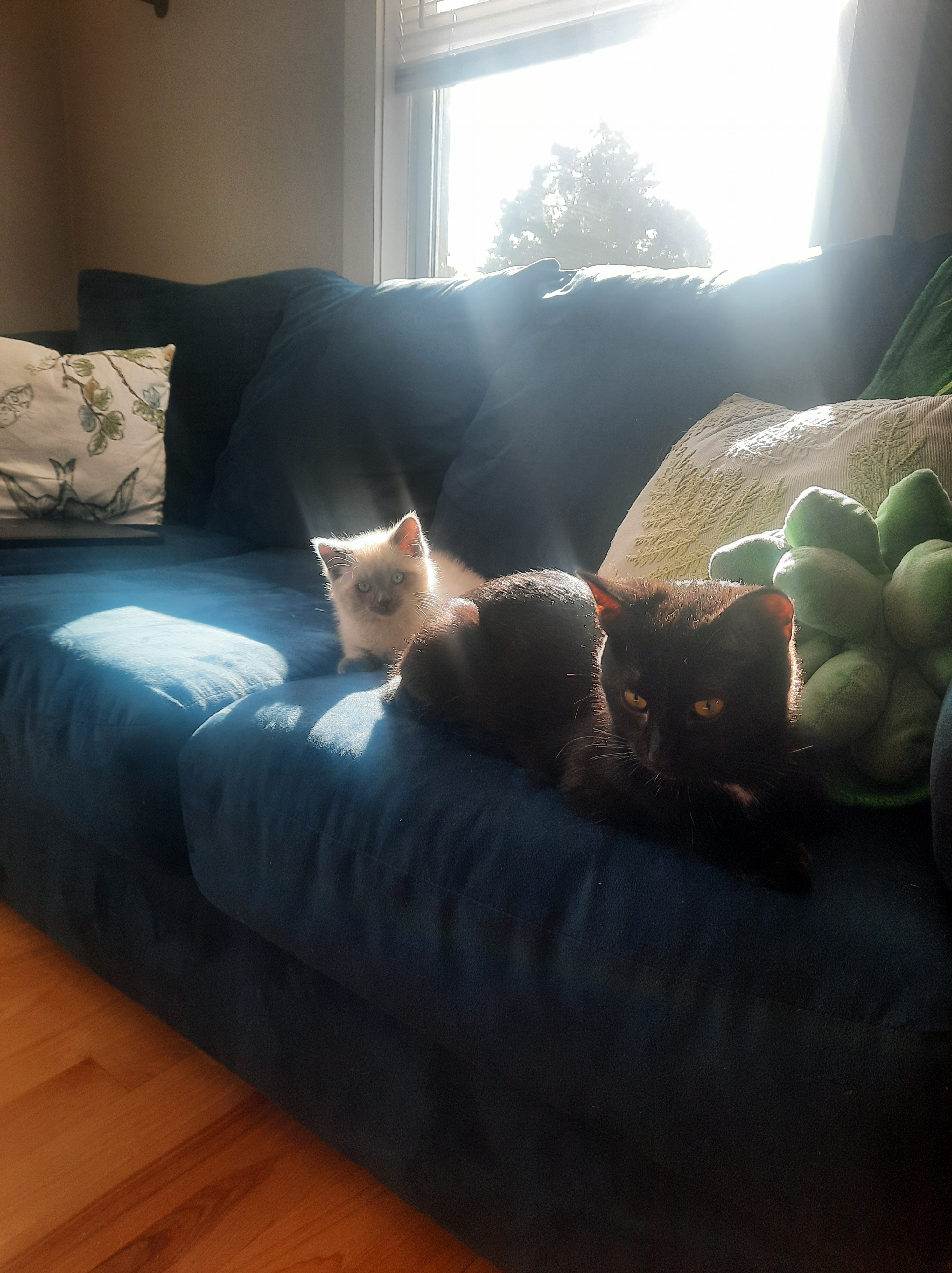
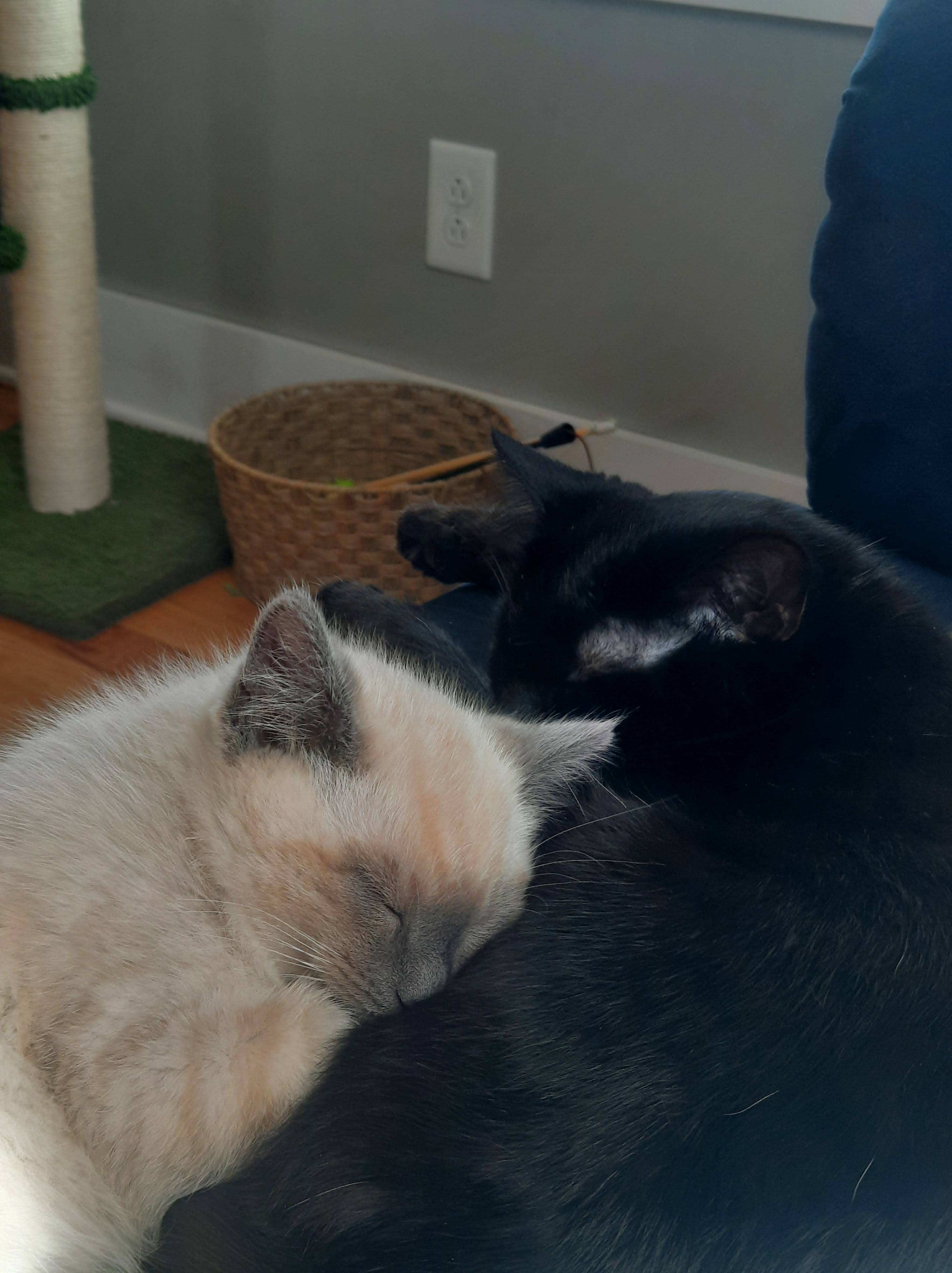
Meet Lori and Midna

First things first, I got cats. Yes, plural. Two tiny creatures who rule my life with a mix of adorable chaos and constant naps.

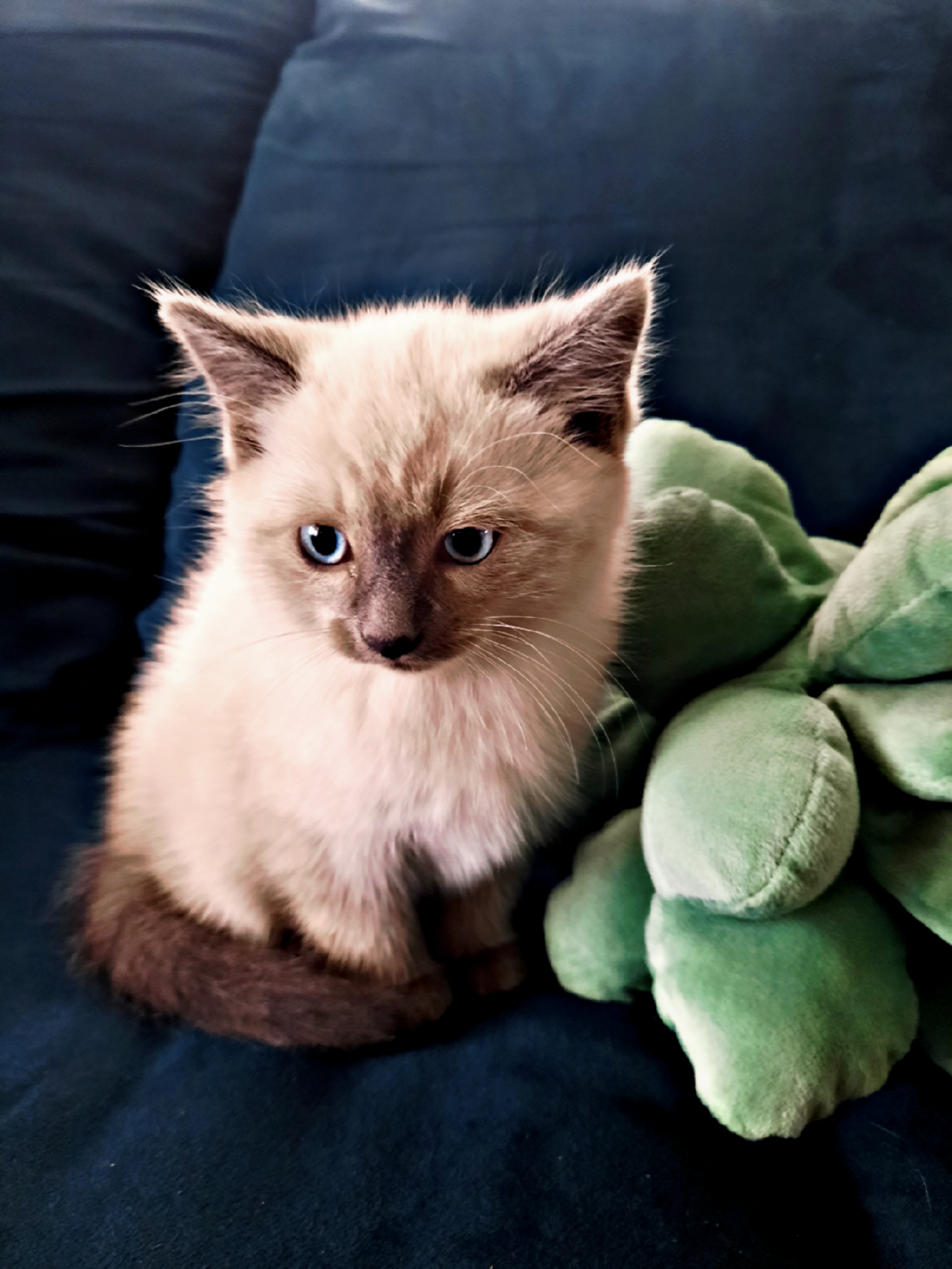
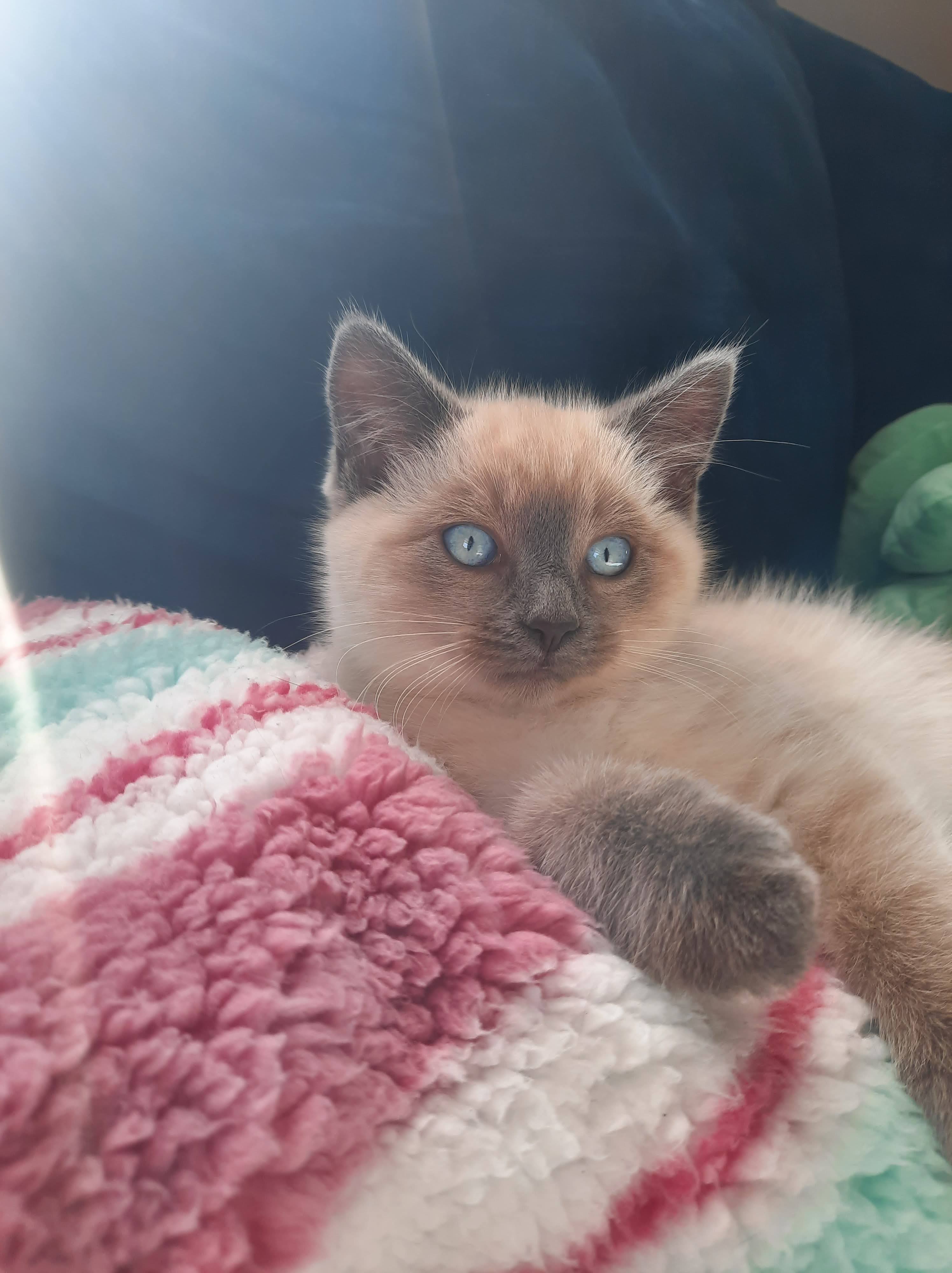
Lori is my white kitten. His full name is Lorrian because every cat needs a slightly dramatic name to match their mysterious personality (he is anything but. He screams at me day and night for love and cuddles). Lori is playful, curious, and oh-so-needy. He desires cuddles at all hours of the day and makes that need known.

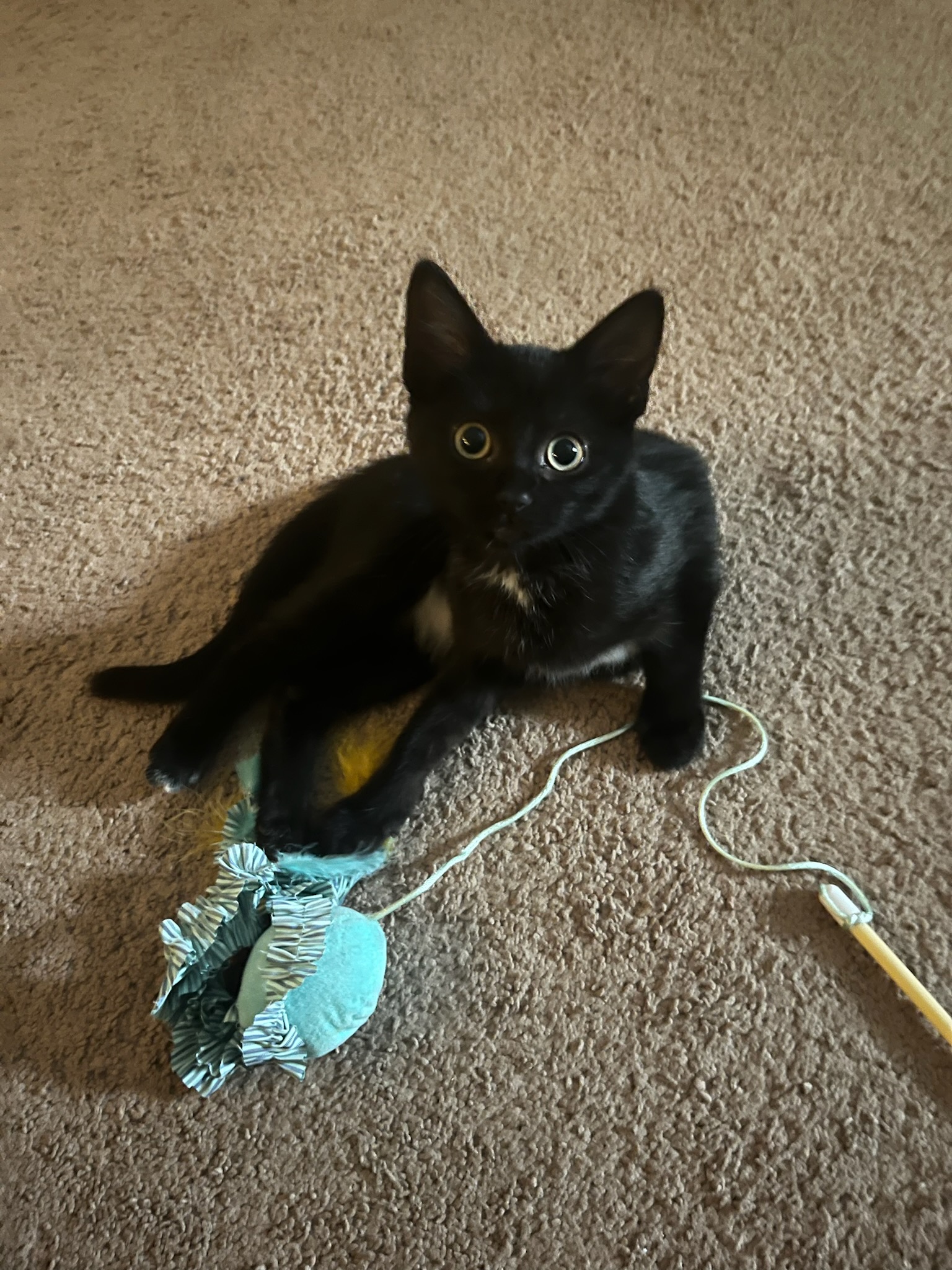
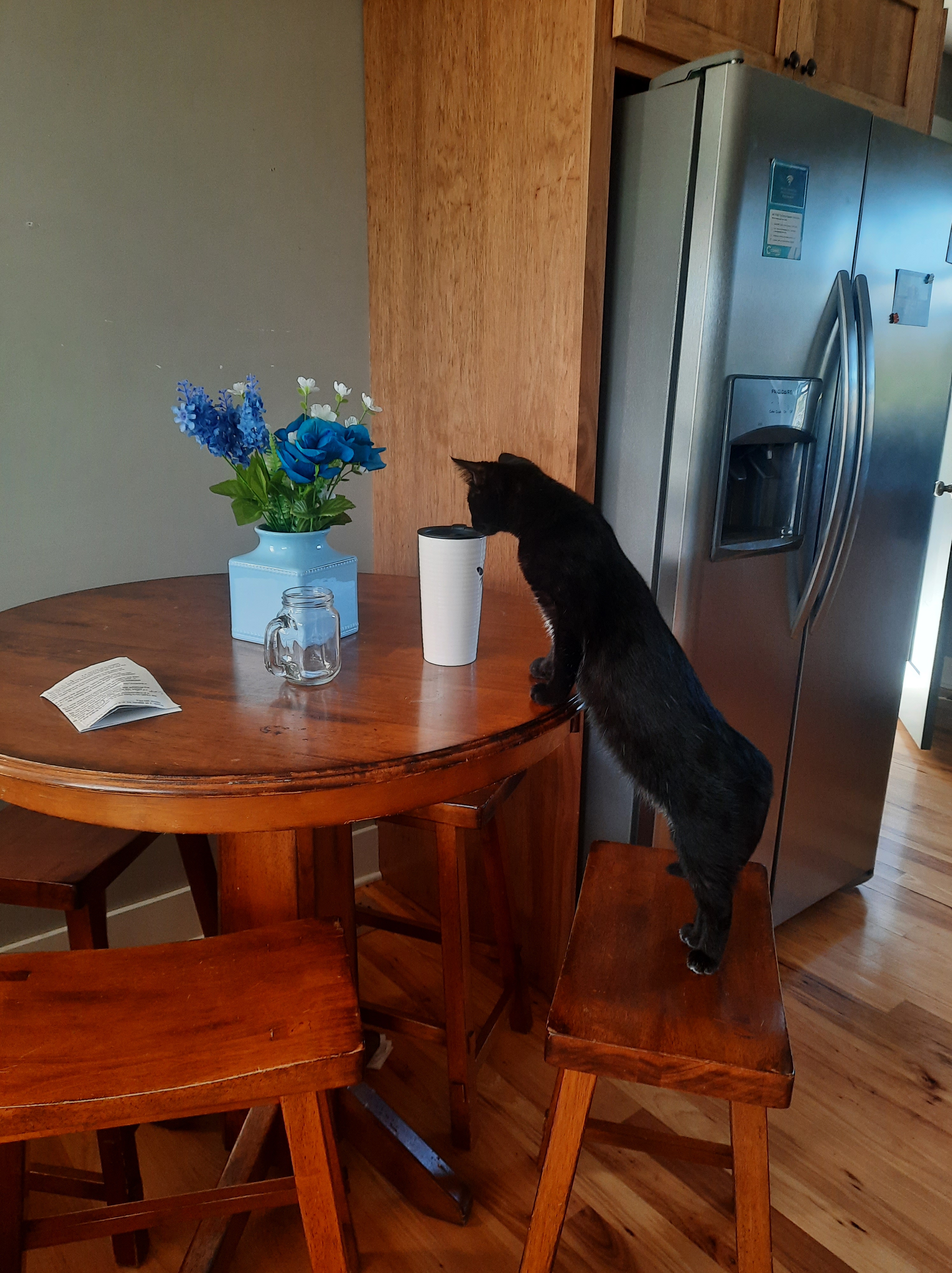
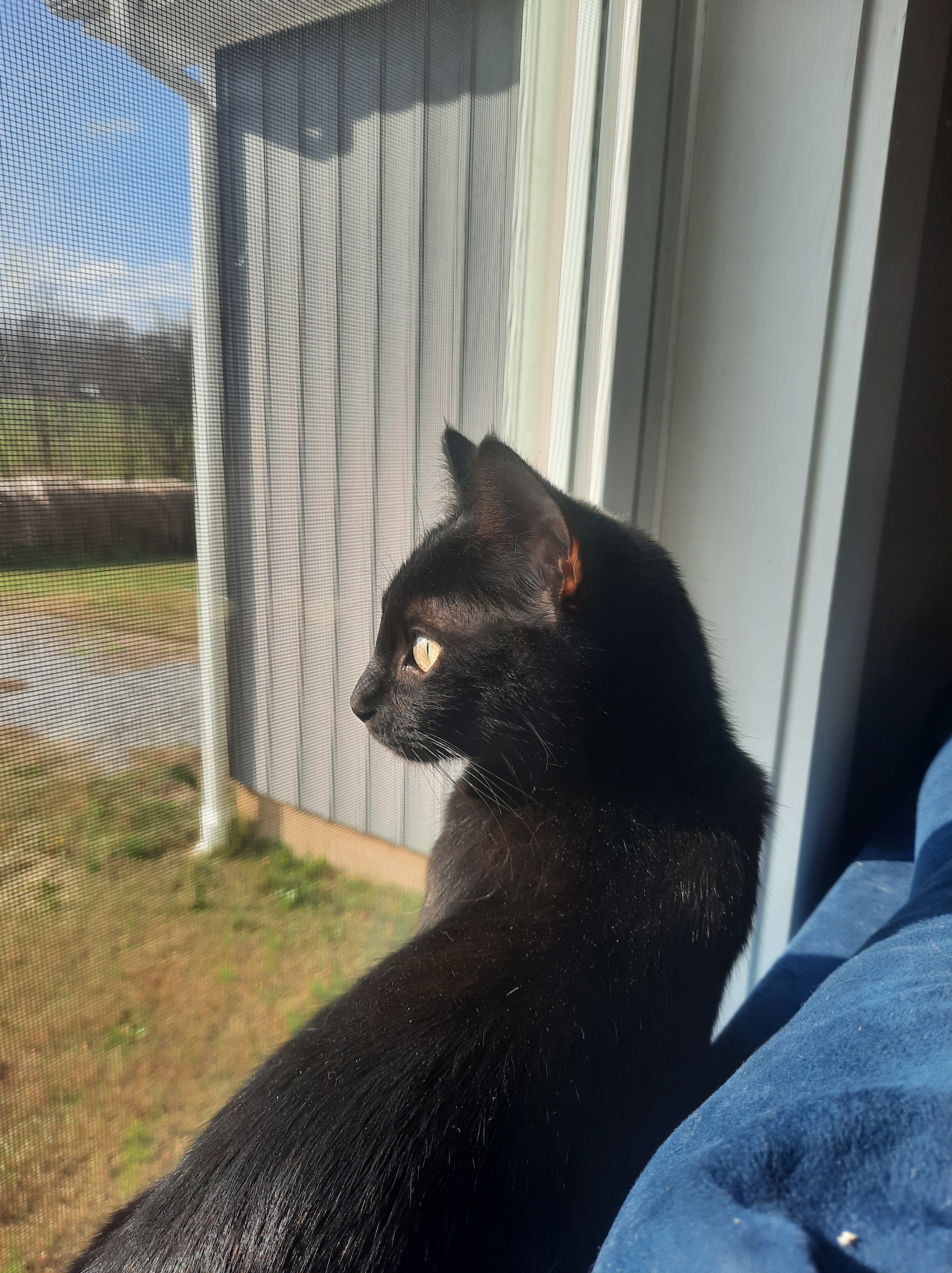
Midna is the queen of the house. She’s my sleek, black cat, full of charm and just a touch of mischief. If you’ve ever played Legend of Zelda: Twilight Princess, you already know the inspiration behind her name. Midna has the vibe of a cat who knows all your secrets and still loves you anyway though she might judge you a little.

Having two cats has been such a comfort. They keep life entertaining and, somehow, their little purrs can turn a stressful day around in an instant.

I’m an Environmental Scientist!

In bigger news, I officially started my career as an environmental scientist. I’m still wrapping my head around the fact that I get to say that out loud. It’s been an adjustment, for sure. The early mornings, lots of learning, and a hefty dose of responsibility are just a few factors I’m trying to navigate with some level of grace and maturity (along with the fear of failure at ANYTHING.) but I’m so grateful to have landed a job right out of college. It’s one thing to dream about contributing to conservation and environmental work; it’s another to step into the field and do it. I am very blessed and I don’t want to ever NOT acknowledge that.

Some days are filled with fieldwork, which makes me feel like I’m back on the farm, in my element with fresh air and soil under my boots. Other days involve reports, lab safety videos, and presentations, which are equally important (but slightly less glamorous). The balance has been a learning curve, but I’m enjoying it so far though I still have TONS to learn.

Adjusting to This New Chapter

I won’t lie to you guys- life after college feels like I’m faking it till you make it. I think I’ve got it figured out one minute and then feel like I can’t make it in this big world the next. There are moments of confidence followed by flashes of doubt, and that’s okay. I think the most surprising lesson I’ve learned is that nobody really has it all together. We’re all just doing the best we can, whether we’re starting new jobs, adopting pets, or figuring out how to cook something other than spaghetti or tacos.

Between Lori attacking my shoelaces, Midna napping on my laptop, and work keeping me on my toes, life feels full. It’s not perfect, but it’s good. And I’m thankful for that.

That’s it for now! Tell me what’s new with you in the comments—I want to hear about your pets, job wins, or even just the small victories keeping you going. Until next time, I’ll be over here, trying to keep my white kitten from drinking toilet water and my black cat off my keyboard.

Take care!

A Review of Lex AI Writer

I have historically have had a really forgiving view of AI. I think it’s here to stay and that much is true, but as time has gone on, I have gravitated to a more critical view of AI content, specifically AI writing. I think it’s great for brainstorming when you’re on square 1 or perhaps outlining a blogpost (here is where I reveal that it is not uncommon for me to ask chatgpt for help with organizing blog posts, titling, and other such small tasks that allow me to focus on my blog post’s actual content). Heck, I think it’s maybe even good for writing filler text that allows you to move your story forward until you can return and fill it with something better and far more creative. But over the past year, I’ve really seen the quality of writing content being replaced with quantity and this is no doubt due to the rise of AI.

AI garbage books flood KDP and many so-called-writers are making tutorials on how you can shortcut the process of creating a story and avoid *gasp* writing! I think someday I’ll make a post on this in the future about how these pretend writers must not really enjoy the craft if they’re continuing to engineer ways to NOT write but now is not that time. Today, I’m here to talk about a specific AI writing platform known as LEX.

Lex AI Writing Platform: A Powerful Tool with a Hidden Catch

Lex is one of the most intriguing AI writing tools I’ve explored. With a wide array of functions, it offers a startlingly diverse set of tools. I could see Lex catering to writers across various disciplines due to this diversity, whether you’re drafting blog posts, brainstorming story ideas, or simply fighting off writer’s block. However, as with any tool of this caliber, its strengths come with a critical caveat. But we’ll get there shortly. First, an introduction to Lex’s toolbox is in order.

A Brief Overview of Lex’s Tools

One of the few positives I will say is Lex impresses with its thoughtful organization and user-friendly interface. The platform boasts features designed to streamline the writing process. Maybe a little too streamlined, but again, I’m getting ahead of myself. The tools and functions are as follows:

  • Idea Generation: It helps writers overcome blank-page syndrome with prompts and suggestions.
  • Continuity Tools: Lex can pick up where you left off, offering full paragraphs based on the context you provide it.
  • Editing Suggestions: It attempts to analyze tone, grammar, and structure to help refine your writing.
  • Customization: You can tweak Lex’s settings to better fit your style or project goals. Probably the most impressive and useful tool in my opinion.

For writers seeking an all-in-one productivity aid, Lex delivers. It’s particularly helpful for outlining or fleshing out ideas quickly. I could see Lex being a useful tool in brainstorming or drafting stages when used wisely. However, we’re going to move on to my main concern with Lex and most Ai writing assistants as a whole.

RIP Individuality

While Lex offers remarkable utility, my primary concern lies in what tools like this mean for the art of writing itself being the erosion of individual style.

When used sparingly, Lex is a fantastic collaborator. Keyword being “sparingly”. How many people will use it sparingly? The temptation to rely on AI for large swaths of text is undeniable, but in doing so, we risk losing the unique voices that define good writing.

To illustrate this concern, I experimented with Lex by beginning a short story:

My opening line:
“Deep in the recesses of an experimental laboratory, rows of cages can be found.”

Lex’s continuation:
“Within these cages, a colony of felines reside. These are no ordinary cats, however. They are the subjects of a groundbreaking experiment, where scientists seek to unravel the mysteries of genetic manipulation. With each passing day, the cats undergo a series of tests and procedures, their DNA meticulously analyzed and altered. The researchers are driven by a singular goal: to create a new breed of cat, one that possesses enhanced abilities and traits beyond the scope of their natural counterparts.”

On the surface, this continuation isn’t bad—it’s clear, grammatically sound, and flows logically. However, it’s unmistakably AI-generated. The tendency to “tell rather than show” is glaring. Instead of inviting readers into the story through evocative imagery or nuance, Lex provides a clinical summary, flattening the narrative.

This paragraph reads more like a report than an actual story, and, while serviceable, it lacks the depth and personality of human storytelling. Such patterns, if adopted uncritically, could homogenize creative writing, sacrificing artistry for efficiency. I have yet to see any AI writer tackle this concern successfully. Everything a computer spits out tends to sound the same or very similar to each other: bland, uncreative, and report-y. AI tends to be trained on articles and educational resources after all so no surprise there.

Conclusion

Lex is a powerful tool that can be a game-changer for writers, offering diverse features and has a great organization and presentation of said tools. For brainstorming, outlining, and rough drafting, perhaps it’s worth a try. But the ability to write large sections of text quickly can also be its biggest drawback and churn up a lot of concern.

Overall, I think as we incorporate AI into the writing process, we must remain vigilant and oh-so-cautious. Writing is more than putting words on a page despite what school might have taught us. It’s about crafting a voice, an atmosphere, and an experience for readers. Tools like Lex should be wielded with care, enhancing human creativity rather than replacing it. For now, Lex is an impressive companion but ABSOLUTELY not a replacement for the writer’s pen.

Thanks for taking the time read and take care, friends!

Magic Schools to Feminist Retellings: A Retrospective on Writing Trends

A Retrospective Look at Writing and Book Trends: From Magic Schools to Feminist Retellings

If you’ve been reading books for, well, any amount of time, then you’ve probably noticed that certain trends in literature pop up like clockwork—sometimes for a few years, sometimes a little longer, but they’re always there. And as much as we try to resist it, we find ourselves falling into the hype. We all know that one trend we swore we wouldn’t get into, and then suddenly we’re 200 pages deep into a series about people who can control fire and water and possibly have a secret underground society. It’s fine, it’s normal.

So, in the spirit of nostalgia and bookish trends that once ruled the shelves, let’s take a trip down memory lane. Here’s a look at some of the most notable writing trends of the past, separated by the years when they were super prevalent. Buckle up, it’s about to get trend-tastic.

2000s: Magic Schools & Faction Fandoms

Ah, the early 2000s. It was a simpler time, before social media ate up all our free time. But books—oh, books were living their best life. If you weren’t reading Harry Potter, were you even reading? Seriously though, J.K. Rowling kicked off the magic school trend, and the world fell in love with Hogwarts, wands, and wizarding wars. It was like we all went to school with Harry, Hermione, and Ron, even if we were just hanging out in our living rooms with a cup of tea. And don’t get me started on the sorting hat. Suddenly, was finding out what house they were (if you weren’t Gryffindor, well, we’ll talk about it later) along with their Patronus, their wand and… well.. you get the idea.

But Hogwarts wasn’t the only magical academy out there. And let’s not forget the “Team Edward vs. Team Jacob” phenomenon that was Twilight. Was it fantasy? Was it supernatural? Was it… a lot of emotional turmoil over the fate of Bella Swan? Whatever it was, it had people choosing sides.

If it’s not clear, The early 2000s were dominated by the rise of books where characters were sorted into distinct factions. Presenting factions based on personality traits became another way for readers to ask themselves, “Which one would I belong to?” and effectively engage the reader. These sorting systems didn’t just reflect different aspects of identity; they also gave readers a sense of belonging in the fictional world.

2010s: The Post-Apocalyptic Dystopia Takeover

Fast forward to the 2010s, and suddenly, we were all obsessed with the end of the world. Everyone was either fighting in a deadly arena or surviving some government-imposed dystopian nightmare. And honestly, who could blame us? The Hunger Games was literally all the rage. We couldn’t get enough of Katniss Everdeen, bow and arrow in hand, fighting for her life (and also fighting for her place in that love triangle that we didn’t need but somehow loved anyway).

But it wasn’t just Katniss—there was Maze Runner, where kids with amnesia were running from giant creepy monsters in a maze. And don’t forget Divergent (yes, it fits both categories. No wonder it was so popular), where people were divided into factions based on their personalities- wait I definitely talked about this already. These books sparked a whole trend of dystopian universes where our protagonists had to rise up against an unjust government, typically after some sort of catastrophic event. We were all about survival, rebellion, and… romance, of course.

Late 2010s: Fairytale Retellings, Because Who Doesn’t Love a Reboot?

Then, just when we thought we couldn’t take any more life-or-death stakes, fairytale retellings came swooping in. It was like, “Why read the same old fairytales when you could read them again—but with a twist?” Enter The Lunar Chronicles, which took Cinderella, Little Red Riding Hood, and others, and threw them into a world of cyborgs, androids, and space missions. It was like the fairytale we kind of knew, but with lasers and intergalactic politics.

But let’s be real, it wasn’t just science fiction authors having fun with fairytales. Writers like Sarah J. Maas and Holly Black started blending folklore and mythology with darker, more adult themes, serving up stories full of magic, romance, and the kind of characters who may or may not have committed some morally questionable acts. I’m not saying we were all suddenly into faeries, but maybe we were all suddenly into faeries.

2020s: Feminist Mythological Retellings—Let’s Give the Women Their Due

Now, we’re in the age of feminist mythological retellings, and I’ve got to say, I’m here for it. Sure, Percy Jackson brought Greek mythology into the mainstream, but now we’re diving deeper into the stories of the women who’ve been left out of the traditional narratives. Think Circe by Madeline Miller, where we finally get to hear the story of the infamous witch from the Odyssey, and she’s not just some villain. She’s complicated, which (hopefully) makes her way more interesting.

And we’re seeing it everywhere, from Ariadne by Jennifer Saint to Lore by Alexandra Bracken, where the women in myth aren’t just being swept aside by the men—they’re fighting back. They’re reclaiming their stories, and it’s pretty epic. These retellings give the female figures of myth the depth and agency they deserve. Though whether or not it’s done effectively is up for debate in the reading community.

Honorable Mentions: Other Trends That Came and Went

Some trends were like that one hit song we all loved for a summer, but by next year, we couldn’t remember the lyrics. A few notable mentions:

  • Vampires, Werewolves, and Supernatural Romance (2000s-2010s): The Twilight era sparked a frenzy over all things supernatural. Vampires, werewolves, and the eternal, beloved, and ENTIRELY necessary love triangle. It was a phase, okay? But also, apparently not, because love triangles would go on to become prominent plot point in YA media from thence forth.
  • Grimdark Fantasy (2010s): If you wanted to dive into a world where everything was bleak, brutal, and morally ambiguous, this was your moment. Books like Game of Thrones, Six of Crows and The Broken Empire filled our need for complex, gray-area characters who weren’t afraid to get their hands dirty. It was kind of like if your favorite character was a mix of a hero and someone you shouldn’t trust, but you loved them anyway. And probably hated them too. But in a good way.
  • YA Thrillers (2010s): After the success of Gone Girl, and The Girl on the Train, the YA thriller market exploded. Suddenly, everyone was reading books about murder, mystery, and figuring out who was really the bad guy—which, let’s be honest, made for some super intense reading sessions. The most recent success in this genre that I can think of is Where the Crawdad’s Sing.

So… What’s Next?

While we can never be sure what trend will take over next, one thing’s for sure: books will always change and evolve. Whether it’s more retellings of ancient myths, something completely new, or perhaps another wave of dystopian chaos (honestly, who can say?), there will always be something to capture our imaginations.

What do you think? Are we due for a new trend? Or are we all just hanging out in the land of retellings and myth for the foreseeable future? Drop a comment! I’d love to hear your thoughts on this very important and pressing matter.