Google Docs vs. Microsoft Word: Which is the better Word Processing Tool?

Ah, the question that plagues the digital scribes of our time: Google Docs vs. Microsoft Word. Which is better? Which is the stronger writing tool? This really isn’t a question I’ve seen asked a whole lot if I’m being entirely honest, but I have noticed that people tend to be pretty strong on whether or not they prefer one over the other. And why might that be? What strengths do each have to offer? Which would best fit you and your writing style? These are questions I hope to answer as I dive into the pros and cons of each word processor.

Let’s start with the heavyweight champion of the word processing world: Microsoft Word. Ah yes, the familiar embrace of the blue-and-white interface, the comforting click of keys as you type, the reassuring presence of Clippy (may he rest in peace). Word has long been the go-to tool for writers, editors, and procrastinators alike, offering a robust suite of features for crafting everything from essays to epic novels.

With its extensive formatting options, powerful grammar checker, and seamless integration with other Microsoft Office applications, Word is like a well-worn pair of slippers – reliable, comfortable, and always there when you need it.

Need to create a table of contents? Word’s got you covered. Want to track changes or collaborate with colleagues? No problem. Need to add some pizzazz to your document with fancy fonts and snazzy graphics? Just a few clicks away. Any questions or entirely lost? I’ve been a big fan of Microsoft’s help feature where you type into the bar what you’re trying to do. It isn’t perfect as you need to be pretty specific with your wording to find a function, but it’s been more helpful for me than the instances where it isn’t. In fact, this feature is one of the big things I miss when I try to use google docs. I get confused and then go to type it into the help bar only to find that it isn’t there.

Then, emerging from the digital ether like a phoenix rising from the ashes, we have Google Docs. Sleek, streamlined, and oh-so-socially conscious, Docs is the new kid-er, or should I say software? on the block, disrupting the traditional word processing paradigm with its cloud-based collaboration features and minimalist design.

Unlike Word, which requires a hefty software installation and a subscription fee, Docs lives in the cloud, accessible from any device with an internet connection and a web browser. This makes it ideal for collaborative projects, allowing multiple users to edit a document simultaneously and see changes in real-time – no more emailing attachments back and forth or worrying about version control.

But while Google Docs may be the darling of the digital nomad set, it’s not without its drawbacks. The formatting options are somewhat limited compared to Word, and the grammar checker leaves much to be desired. Plus, if you’re a die-hard fan of Microsoft’s suite of Office applications, you may find Docs lacking in some areas. This is my very problem with it- it’s a little TOO minimalist. Everything I want done to my document (within reason of course) I want to be able to do on my singular word processor. I don’t want to have to search out other tools. Sure, if you want to keep it simple and have all your documents on one cloud, that’s great! Sounds like Google Docs is the application for you. For me personally however, it can leave much to be desired features wise.

Let’s not get too ahead of ourselves though before announcing Microsoft Word the supreme word processor. It’s got some glaring flaws too that I think are worth pointing out and going more in depth on. So, let’s take a moment to explore the underbelly of the behemoth that is Microsoft Word. Despite its undeniable dominance in the world of word processing, even this titan has its Achilles’ heel.

First, let’s talk about my main issue with Microsoft products in general- price. One of the most glaring drawbacks of Microsoft Word is its cost. While some users may have access to it through institutional licenses or subscription packages, others may find the standalone price prohibitive, especially for occasional users or those on a tight budget.

Next, let’s discuss Microsoft word’s complexity. While I bashed Google docs for being a bit too simplified, I think an argument could be made that Microsoft Word is too complicated and overloads you with too many options, especially if you’re not used to the plethora of menus. In short, while Word offers a plethora of features and functionalities, this can also be its downfall. The sheer breadth of options available can overwhelm novice users, leading to frustration and a steep learning curve. From formatting quirks to obscure settings buried in nested menus, navigating Word’s labyrinthine interface can sometimes feel tedious and frustrating.

Additionally, it is also worth noting that Word, as an application, is Resource Intensive.  Word is notorious for being a resource hog, consuming memory and CPU cycles like a hungry-hungry hippo. This can lead to sluggish performance on older or less powerful computers, especially when working with large documents or complex layouts.

Next, I want to discuss Word’s issue of Proprietary Formats. Word’s native file format (.docx) can be both a blessing and a curse. While it offers advanced features like document encryption and metadata preservation, it can also pose compatibility issues when sharing files with users of other word processing software. This lock-in to a proprietary format can be frustrating for users who value interoperability and open standards.

So, dear reader, which is the superior writing tool: Google Docs or Microsoft Word? As with all things in life (and I’m sure you saw this coming), the answer ultimately depends on your personal preferences and specific needs. If you value flexibility, collaboration, and ease of access, Docs may be the way to go. But if you crave versatility and a robust feature set, Word reigns supreme.

In the end, whether you’re pounding out a novel, drafting a memo, or composing a love letter to your significant other (hey, no judgment here), the most important thing is to find a writing tool that works for you – because when it comes to putting pen to digital paper, it’s not about the software, it’s about the story you’re telling. So, try not to get all caught up on picking a font or writing tool and just write. I know you’re probably procrastinating just as I am penning this blog post. I guess we’d both better get back to it?

An Honest Review of Substack: Is it worth your time?

Here recently I’ve been hearing a lot about Substack from the greater writing community. Many of my writing professors recommend it, a few of my writing friends have mentioned it, and so I joined to see what the hub-bub was about. After all, monetizing your writing content and having access to your favorite author’s newsletter sounds amazing, right? And a new writing community to interact with? Count me in!

If you’re like me three week ago, then you probably don’t know that is, that’s okay! I’m going to enlighten you with a quick rundown of what Substack is and why I’m on it along with my thoughts on the site as a whole (the good, the bad, and the meh). The most important thing for you to know upfront however is that, in short, it’s a writing community type platform. So if any of that sounds interesting to you, then please, I implore you to keep reading.

What is Substack anyways?

Substack is a platform that lets writers do what they do best: write. But here’s the twist – instead of shouting into the void of social media or hoping for a lucky break with traditional publishing, writers on Substack can build their own audience and connect directly with readers who appreciate their unique voice and perspective via newsletters sent into their feeds. It very similar to wordpress in a way and allows one to consolidate their writer newsletter subscriptions.

Think of it as a DIY publishing empire, minus the stuffy boardroom meetings and corporate red tape. Writers can set up their own newsletter, penning anything from personal essays to political commentary to niche hobby guides, and deliver it straight to their subscribers’ inboxes like a literary love letter.

But wait, there’s more! Substack isn’t just about writing – it’s about building a community. Readers can engage with writers through comments, discussions, and even exclusive Q&A sessions or virtual book clubs. It’s like joining a book club where the author is always present and the snacks are unlimited (well, metaphorical snacks, but you get the idea).  This I think is my favorite potential draw of Substack.

Monetizing Your Writing Content

Additionally, Substack gives writers the freedom to monetize their work on their own terms. Whether it’s through paid subscriptions, one-time donations, or exclusive content for loyal supporters, writers have the power to turn their passion into profit without sacrificing their creative integrity. I mean, I know writing makes a ton of money already but just in case you wanted to make a few more meager coins for your hard writing work.

There are some Potential drawbacks…

I will add that Substack isn’t all sunshine and rainbows. I think it’s a potentially a great platform for writers, of course, but I can already see some potential issues with the site even after just recently signing up. It’s still a somewhat new site having been launched in 2017 (sheesh maybe not that young. That was 6 years ago!) so that is something to keep in mind as it hasn’t had as much time to evolve yet when compared to other popular social medias like Instagram, facebook, or twitter.

Newsletter clutter

With so much content vying for attention, it’s like trying to find a needle in a haystack or, more accurately, like trying to find that one specific paper you’re looking for in a cluttered desk. How’s a reader supposed to keep up with it all? It’s a veritable digital avalanche of words, and if your newsletter isn’t captivating enough, it might just get lost in the shuffle. Only after a few subscriptions, I found my feed cluttered and hard to navigate. With so many options out there, readers might suffer from subscription fatigue and start treating their inbox like a junk drawer – full of forgotten treasures and abandoned dreams.

The Fun of Monetization

While Substack offers writers the tantalizing promise of monetization, turning a profit isn’t always a walk in the park. From setting subscription prices to convincing readers to open their wallets, it’s like trying to sell ice to an Eskimo – or, in this case, selling newsletters to subscribers who’ve already got a full inbox.

How to Even Stand Out?

It is very unclear how to even start building on audience in Substack or how to stand out. Beyond advertising your content on other social medias where you are already assumed to have a following, I haven’t seen much of a way to create a writing community from scratch. Tags don’t really seem to be used though there are separated topic categories that contain a lot of other content creators- an overwhelming amount actually. I find it hard to believe that amongst the many pushed and popular news letters that it would be easy for a starting writer to even be noticed.

Many of Your Favorite Authors are Not to Be found

Substack, being launched in 2017 as I have previously mentioned, could still be classified as a relatively new site. So, as a result, many of your favorite authors probably don’t have one yet or at least aren’t active. As a reader, I would think this would be the biggest draw but I don’t think Substack is popular enough yet to quite offer this as a draw.

Still might be worth it maybe perhaps??

But everything has its ups and downs. Who knows? Maybe Substack really is the future of monetizing your writing content? As a writer myself, I do hope so but I guess we’ll just have to wait and see. I’m just here for the ride. And if you decide that you want to be along for the ride too, here’s my Substack handle: click here!

Take care and Thanks for reading!

A Little Writerly Life Update

Tennessee weather is so unpredictable. Last week there was a chance of snow, this week it feels mid fall. Not that I’m complaining about the 60-70-ish degree weather. It’s a rather nice break from the grey I’ve been dealing with most of January.

It’s weird to think that it’s already almost March. 2023 felt like it ended just yesterday and suddenly we’re almost 3 months in. I hear that’s a sign you’re getting old but if that’s true, then please don’t tell me and allow me to live in blissful, timeless ignorance.

Hope you all have been doing well and that 2024 (that year still doesn’t feel real) is treating you well! I just thought it would be fun to do a nice little writerly life update seeing as I have a few matters to discuss and update the wide web on. I know you’re all waiting with baited breath.

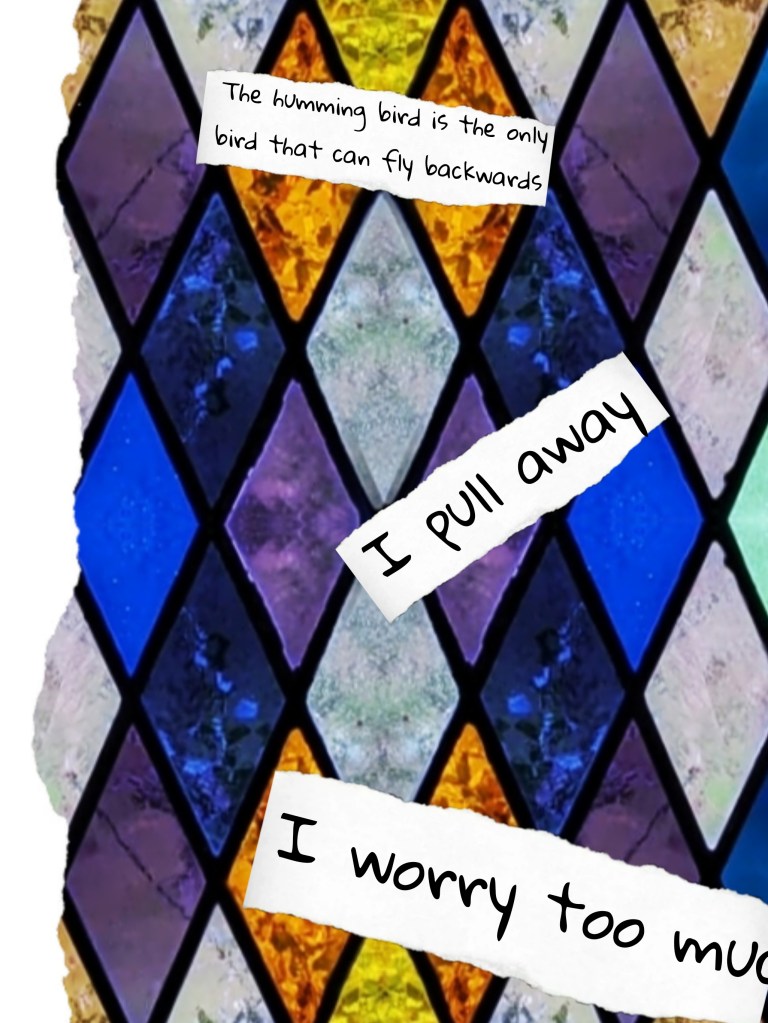
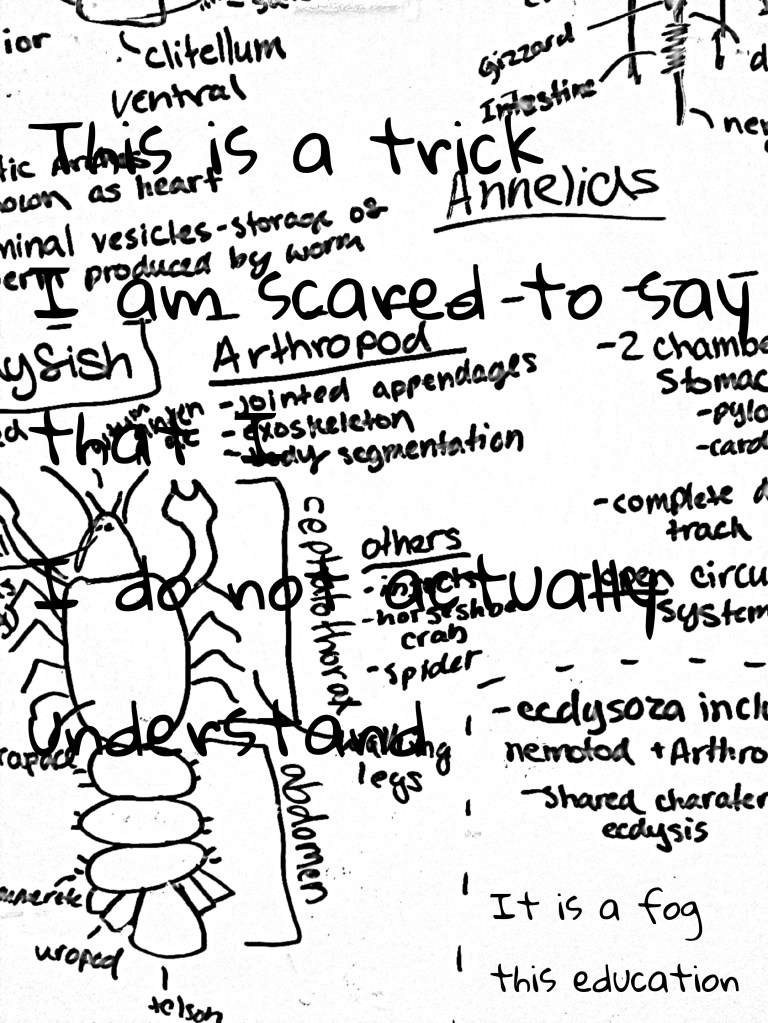
First order of business, I’ve been working on a chapbook! It’s been in the making since last fall semester of 2023 and I finally am pulling all the pieces together. It’s a combination of everything I enjoy- poetry, science, stainglass windows, and angsty little musings about how I’ve poured money into an education and yet, on the cusp of my senior year, I still feel clueless. Yaknow. The standard stuff. A little sneak peak page can be seen below:

I hope to enter a chapbook contest and submit it for online publishing but we’ll see where this little project takes me. It was loads of fun to work on and I can’t wait to see what I end up doing with it whether its publish it or set it on fire. What matters is I am essentially done!

Second order of business, I am taking all writing classes this semester! I just need to finish up my silly little writing minor so I’m taking The Creative Market Place as well as Short stories and Fiction. Oh, and walking. Yes, I am taking a walking class. I needed the credit.

The Creative Market Place is a cool class where I get a little bit more insight on the business side of being a writer. We recently finished up a peer review workshop where we critiqued each other’s papers and reviewed books. Generally workshops can be a source of stress because I want to sit down and write a thorough and extensive feedback paper for each piece but, alas, time is not always on my side. Not to mention the fun of sharing your work to a class room. I was surprised to find that, ironically, sharing my overly angsty, corny poems doesn’t bother me in a class room setting but writing something semi-professional is. I think I just have to try extra hard to be professional and the poetry thing is just kind of fun. So when my professional review sucks, that’s a little more of a blow to my writer ego (something’s gotta keep it in check).

Short stories in fiction is both wonderful and awful. I’m having to fight against my long-winded tendency to describe everything in a room and what every single skin cell looks like on a character. I blame my consumption of Tolkien literature I think.

Final order of business, I am figuring out what I am doing with my life. This has proved to be a most arduous task and I still haven’t quite completed it. Most days I find myself torn between the two moods of “Yay! I’m almost done with school!” and “Oh no, I’m almost done with school!”. I’m not entirely sure what the future has in store for me with a bio degree and a creative writing minor. I am not entirely certain whether this writing thing will just be a brainless little hobby that I do when come home from a long day working at a lab or if it will actually be a part of my professional life. I guess it’s just whatever doors God chooses to open. So, with this in mind, I’m trying not to spontaneously melt from the stress. I know it’ll all turn out alright. All my college seniors out there know the feeling I’m sure.

And that’s it! Or all the important stuff at any rate. Thanks for taking the time to read my existential crisis about my quickly approaching future. Feel free to share any anxiety tips in the comments below and take care!

Nature, Childhood, and Brood

Childhood. It is something that is near all our hearts. I am sure many of us can recall summers spent outdoors. Bare are feet skimming the soft grass. The scent of freshly cut grass. The distant hum of cicadas. Fireflies blinking and winking at us from the dark. Fresh air that zips past us as we run and play and enjoy nature and childhood freedom.

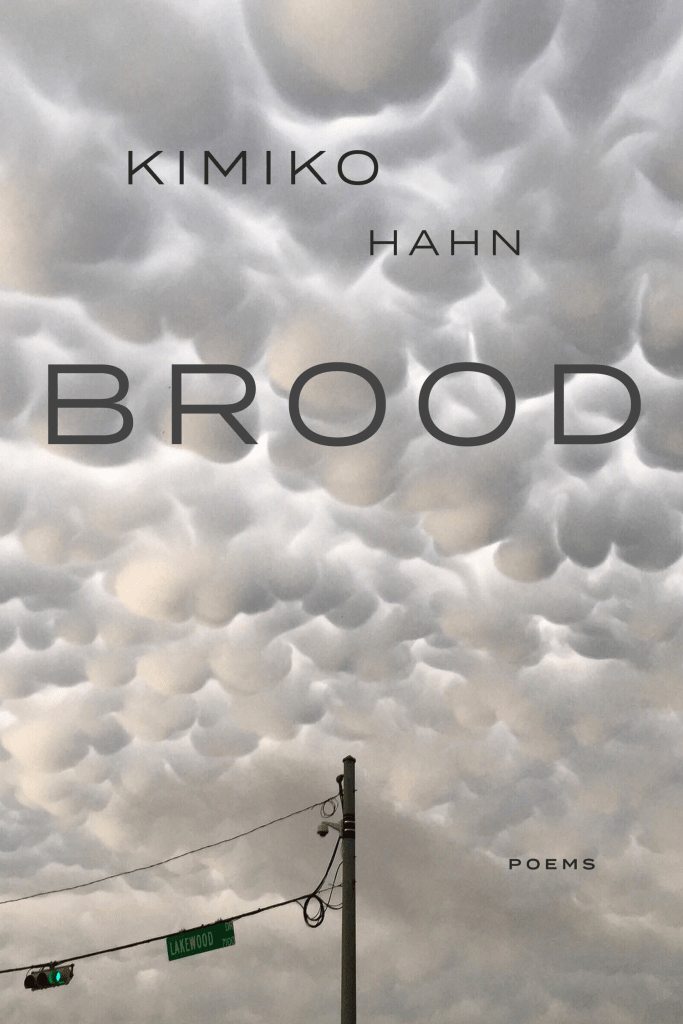
Nature and childhood is often something that is connected in our minds, whether we realize it or not. It is this connection that Kimiko Hahn taps into in her chapbook titled “Brood”.  She explores this connection through a series of poems giving us a full sense of her childhood and nostalgia.

Hahn is a seasoned poet who is the author of a whopping 10 poetry books. This includes but it not limited to Foreign Bodies (W. W. Norton, 2020), Brain Fever (Norton, 2014), Toxic Flora (Norton, 2010), The Unbearable Heart (Kaya, 1996) which was the winner of the American Book Award, and Earshot (Hanging Loose Press, 1992), winner of the Theodore Roethke Memorial Poetry Prize and an Association of Asian American Studies Literature Award. Science and nature are common themes in her work and this chapbook is no exception when it comes to this.

Hahn grew up in New York and Tokyo. It makes one wonder if these urban backdrops caused her mind to wonder to what little nature there was in her childhood. Her chapbook “Brood” even opens with a little snapshot of a Damselfly caught in a web.

When you spot a damselfly

Caught in a spider’s thread

Blow gently…”

Early on, Hahn draws our attention to the delicate and intricacies of nature. But, these pictures are also contrasted with humanity and the modern. One such poem titled “Folding Fan Advertising Kikkoman Soy Sauce” exemplifies this while also introducing us to a memory and a person who has passed.

My kindergarten handprint in clay! Pearls! But you never belonged to me. I’m not sure I care, odd ephemera in the debris of my father’s home.

She does the same in the following poem titled “Noise”.

The neighbors teething baby wails, a grating cranks shut, a woman calls out, a man shouts back, the sanitation truck pulls to the curb with engine, men, and suction…

Overall, this contrast between nature and the modern creates a well-rounded experience as Hahn delves into feelings of loss, nostalgia, and family. Hahn masterfully weaves these thoughts and ideas together to give us a colorful picture of childhood and her specific upraising. It is just a small peak as the works are often brief, but they are rich with vivid imagery and beautiful scenes that pull us in from the first sentence.

Pssst! Hey! Thanks for reading! This post is a bit different from my usual blog posts but I read this chapbook and did a review on it for school so I wanted to share. I not only got to pick the book but I found it was fun to share my thoughts. If you’re into poetry, definitely check out Kimiko’s work!

Why I Write

For school, I was tasked for reading a great many number of essays on a singular topic: “Why I Write”. These readings included “Why I Write” by George Orwell, “Why I Write” by Joan Didion, “Why I Write” by Terry Williams, “Why Write” by Paul Austers, “Why I Write” by Reginald Shepherd. Turns out, writers are very concerned about tackling this question and rightly so. Burn-out is a common term used in writing spaces and for good reason. It besets you quickly when you least expect it. Why? Who knows, the answer is rarely the same from person to person. Then there is the whole conundrum of “how so I get out of this head space?”. Turns out, defining your motivations and why you do this whole writing schtick is one good way to get out of this swirling mental blackhole. And so, I created my own “Why I Write” constitution/statement of my own. While this was indeed a school assignment, I still would love to share it. This exercise was unexpectedly cathartic and I definitely recommend you give it a shot if you ever find yourself in a flurry of self doubt and find yourself asking, “Why am I doing this again?”.

I’ve included the video version (created by yours truly) and the essay itself in case you don’t feel like watching my mini-movie filmed on a my old-as-dirt ipad (edited with imovie of course). I won’t be (that) offended, I promise.

The Video:

The Essay:

Why I Write

By Brooke Freeman

I write for a great many number of reasons as do most people I think. Strangely enough, I made a list back in middle school of this very thing. At the tender age of 12, I found that sometimes I didn’t want to work on my story. And so, I made a master list of writing motivation. I dug it up for this question and have been pleasantly surprised that the reasons still very much ring true.

I’m going to share this list with you now in its true form, complete with the starry 2014 bulleted points I had copy-and-pasted from the internet because I could never figure out how to make special characters myself. I will also elaborate on how each reason is true to me to this very day. It’s nice to know that, if anything, I’m consistent.

The feeling of reaching that plot twist

As a kid, I posted to a lot of kid targeted writing chat boards. These boards have long since shut down but in this little internet space, I found an audience. Other kids, like me, who loved writing and loved reading. From early on, I found the joy of writing something unexpected and the reaction of those who read it. Even now, this is a process I still find myself taking joy in. Really it’s the community created in such moments that I find myself coming back to.

Getting to write that scene.

The scene that pictured in all it’s glory. Perhaps the very scene that got me writing the story in the first place to write up to. My chance to drop that one-liner that my young self thought was oh-so-clever. And yet I still do this now. A dynamic captures my fancy. A scene springs to life vividly in my head and I need to write it. And then I build the world around it.

Improving your writing ability

Improvement is a strange thing. I never felt like I was improving until I figured out that it often takes the form of reading one’s past work and cringing. This is something that is even more accurate now that I’m in college as I find myself cringing a lot at whatever work I pumped out in high school. And yet I don’t hate it. You don’t hate a time capsule because it’s old and outdated. You marvel at it and all the trinkets inside. And then you think about how much has changed, most of it for the better.

Making your thoughts more cohesive.

That feeling of seeing a project come together is unmatched. I tasted it as a middle-schooler and thought “wow, that’s pretty neat to see how it ties together”. But as life has gotten messier and my thoughts and brain even more so, I think this reason has become more and more prevalent for me.

Holding your published book in your hands.

I want to hold my words in printed form. Not that that gives them any more importance, but I am drawn to the physical space that words can take up when they’re printed. They’re beautiful as well as accessible.

The aesthetic of the writing life is impeccable. Drink some tea, type away on a rainy day- indulge in it.

Pompous and shallow as it may sound, writing feels important while you’re doing it. It feels whimsical and sometimes even mysterious. It’s easy to romanticize. Not that you should believe yourself any better than those around you but there should be a certain amount of joy you should take in your writing work. I write because I love doing it. I indulge in it.

Hearing from other people who have been touched by your work.

And here we are back at community. It has been a big driving force for me as I continue onward on my writing journey. From 12 years old to present, I loved the connection I got from my work. I had no promise back then that my writing would make it big or make an enormous, uncompromising difference. But maybe it did to a fellow 12-year-old browsing a writing message board. It did for me after all.

But I don’t think it’s sufficient to leave it here. Yes, these reasons are still accurate but they are no longer the full extent as to why I write. I think it would be an indicator of lack of growth within the last 10 years to no add to this list by quite a margin.

I am finding in my 20’s that I write because I love. I can end the sentence there as cliché as I’m sure it sounds. But I won’t.

I write because I love so many things. I love peeling oranges on my front apartment steps. Write because I love petting cats that never belong to me but begrudgingly accepts my affection. I love rain, birds, cathedrals, breakfast, coffee, stars, journals that are empty, journals that are filled, cattle on grass, autumn, pancakes, skeletons, tacos, photos, brown eyes, blue eyes, my mother, my sisters, my brother, and my father. I write because I love.

And finally, I write because God has been kind enough (or cruel enough), to put words in inside of me. Then he allowed me to be fed on a steady diet of books. All kinds of books too. Apologia Science textbooks, The Magic Treehouse books, Narnia, Little house on the prairie, Nacy Drew, The Magic Thief, Lord of the Rings, Calvin and Hobbes just to name a few really important ones. I was fed until I was swollen with words and ideas. Then I was handed a pen and paper-or should I say a laptop with a slow internet connection, a pinball game, and a writing program. Then later a typewriter marked down to $50 at a thrift store. Then an actual laptop. Now it’s a Journal. Paper cradled in Leather.

I write because I am overwhelmed by everything it feels like. Some mornings I feel it more deeply than others. And when I do, I crack open my journal or open up my delipidated laptop. And then I write.

Playlists I’ve been playing on Loop

Music has the remarkable ability to set the mood for any creative endeavor. Whether you’re crafting an intense action scene or a poignant love letter, the right musical backdrop can transport you to the emotional landscape you wish to convey. The beat, rhythm, and melody become the heartbeat of your writing, infusing it with the desired atmosphere.

But I’m sure you already know that. My core audience is writers and we love a good backdrop to day dream to. So, I thought it would be fun to share writing playlists that I’ve been playing on repeat because they provide the perfect atmosphere for whatever I’m working on.

This Gremlincore playlist sets a sort of carefree and quirky vibe. I sometimes just put it on when I’m cooking- I don’t have to be writing. It feels like walking through a forest. I feels like catching lightning bugs. It feels like- I need to be paying more attention to whatever I’m doing. I’ve only gotten three words into my story and I’m already distracted by the immaculate atmosphere this playlist creates.

However, one little side note, if you don’t listen to anything else on this playlist, please check out the “Tardigrade Song” by cosmo sheldrake. It is an immaculate work of scientifically accurate art.

Yeaaaah, it’s no secret I’m a very distracted writer these days. But guess what! Music can help with that too! For many writers, creating a zone of focus is crucial if you’re going to get anything done. Music that is instrumental or ambient genres can act as a sort of shield against the distractions that my brain can conjure up. The rhythmic patterns and soothing melodies serve as a buffer, helping me to immerse myself in their work and maintain a steady flow of ideas. Or at least that’s the hope. This playlist particularly has helped me get quite a few writing assignments done as of late so maybe check it out.

Creating the perfect ambiance for writing involves a delicate balance of sounds that can transport you to a mental space conducive to creativity. Ambient noises and curated playlists can play a pivotal role in setting the tone for your writing environment. The subtle hum of raindrops, the distant chirping of birds, or the calming rustle of leaves—these ambient sounds can transform your workspace into a haven for inspiration…..

….. orrrrrr maybe you just wanna feel like a weary traveler trying to furiously write in a rambunctious tavern. When it comes to ambient noises, I tend to go for fantasy settings especially. I just want to feel like something is going on around me and ambient noises greatly help with this craving. I think it may be a partial side effect of living in a house with siblings growing up and having to get some writing or project done nonetheless.

Don’t mind me living out my Barbie’s 12 Dancing Princesses fantasy over here. This playlist is PERFECT for that or perhaps to be the backdrop of any regency/royal story you’re writing. It’s whimsical, magical, dreamlike- all the good things. Check it out if you’re delusional like me and am still living out that princess fantasy.

Aaaaand I think that just about does it! And now I shall attempt to wrap up this silly little sunday blog post of mine!

Ahem!

The joy of crafting creativity lies not only in the words we put on paper but also in the environment we cultivate. The subtle interplay between ambient noises and curated playlists enhances the writing experience, making it more enjoyable AND immersive. Remember, it’s about the journey NOT the destination. (or some drivel like that. Insert dramatic pause here so you have time to let that profound knowledge sink in).

So, the next time you embark on a writing adventure, consider the mood you desire to set. Whether you choose the gentle whispers of nature, that chatter of a tavern, or the curated tunes of a carefully crafted playlist, I hope the playlists I have shared can be a part of your fun little writing sessions. Happy writing!

How to Write a Good Short Story

Hey friends! Hope you’re doing well this evening. It’s chilly where I’m at and the roads are all iced over so I did college remotely today. It went well and I think I’m starting strong though it’s hard to say since I’ve only been able to attend one full day in person. The classes I’m in this semester are all writing classes since I’ve finished up all the science ones for my biology degree.

One class I’m taking this semester is known as Fiction and short stories. I’m taking this class for my creative writing minor (and for fun!) and because I’ve always struggled a bit with writing short stories. I have this awful habit of rabbit trailing and expanding where it is incredibly unnecessary. You can’t afford to do this in short stories especially. They kind of need to be…yaknow, short. It’s always been a struggle of mine. It’s actually rather intimidating to me to develop so much of a story in such a short amount of time.

This got me sort of thinking about all the elements that go into a strong short story. So, in the spirit of helping me figure out how I can write an effective short story myself, I decided to identify what exactly makes a GOOD short story.

˗ˏˋ ★ ˎˊ˗˗ˏˋ ★ ˎˊStart with a Strong Idea˗ˏˋ ★ ˎˊ˗˗ˏˋ ★ ˎˊ

Begin with a clear and intriguing concept. A short story doesn’t have the luxury of extensive development as previously mentioned, so choose a focused and powerful idea.

˗ˏˋ ★ ˎˊ˗˗ˏˋ ★ ˎˊDevelop Memorable Characters˗ˏˋ ★ ˎˊ˗˗ˏˋ ★ ˎˊ

Even in a short story, your characters should be distinct and memorable. Readers should connect with them or be intrigued by their qualities. Focus on their motivations and how they contribute to the plot.

˗ˏˋ ★ ˎˊ˗˗ˏˋ ★ ˎˊEstablish a Strong Setting˗ˏˋ ★ ˎˊ˗˗ˏˋ ★ ˎˊ

Set the scene effectively. While you may not have room for extensive world-building, provide enough details to immerse readers in the story. Use sensory details to evoke a sense of place.

˗ˏˋ ★ ˎˊ˗˗ˏˋ ★ ˎˊCreate a Compelling Opening˗ˏˋ ★ ˎˊ˗˗ˏˋ ★ ˎˊ

Grab your reader’s attention from the beginning. Open with a strong line, an intriguing situation, or a question that piques curiosity. The opening sets the tone for the entire story.

˗ˏˋ ★ ˎˊ˗˗ˏˋ ★ ˎˊMaintain a Clear Plot Structure˗ˏˋ ★ ˎˊ˗˗ˏˋ ★ ˎˊ

Short stories typically have a simpler structure than novels, but they still require a clear beginning, middle, and end. Develop a plot with a distinct conflict and resolution. Also consider carefully the motivations at play in your tale and how such motivations conflict with each other.

˗ˏˋ ★ ˎˊ˗˗ˏˋ ★ ˎˊFocus on a Single Theme or Message˗ˏˋ ★ ˎˊ˗˗ˏˋ ★ ˎˊ

Short stories are most effective when they have a central theme or message. Identify the core idea you want to convey and weave it into the narrative. Avoid trying to tackle too many themes in a short space. This can make your story seem scattered and unconnected.

˗ˏˋ ★ ˎˊ˗˗ˏˋ ★ ˎˊShow, Don’t Tell˗ˏˋ ★ ˎˊ˗˗ˏˋ ★ ˎˊ

You’ve heard it a million times but I think it’s always worth reiterating. Don’t trick yourself into believing that you don’t have any time at ALL in a short story to provide clear imagery. Use vivid descriptions and action to show what’s happening rather than telling the reader. Engage the senses and create a visual and emotional experience.

˗ˏˋ ★ ˎˊ˗˗ˏˋ ★ ˎˊBuild Tension˗ˏˋ ★ ˎˊ˗˗ˏˋ ★ ˎˊ

Since you have limited space, build tension efficiently. Create conflict early on and escalate it steadily, leading to a satisfying resolution. Tension keeps readers engaged. Ask yourself “what is pulling my reader forward to finish my piece?”

˗ˏˋ ★ ˎˊ˗˗ˏˋ ★ ˎˊCraft Dialogue Carefully˗ˏˋ ★ ˎˊ˗˗ˏˋ ★ ˎˊ

Dialogue is a powerful tool in a short story. Make each line count, revealing character traits, advancing the plot, or adding atmosphere. Ensure that it feels natural and serves a purpose. You don’t have time to indulge in empty chatter between characters. Unless, of course, it’s in character (see Treebeard from The Lord of the Rings here. Though that reference may not be super accurate as The Lord of the Rings was hardly a short story.”

˗ˏˋ ★ ˎˊ˗˗ˏˋ ★ ˎˊConsider the Ending˗ˏˋ ★ ˎˊ˗˗ˏˋ ★ ˎˊ

A short story’s ending should be impactful. It doesn’t necessarily have to be a twist, but it should leave a lasting impression. Consider the emotional resonance you want to achieve. What do you want to leave your readers with. What do you want them to think about upon your story’s end?

˗ˏˋ ★ ˎˊ˗˗ˏˋ ★ ˎˊEdit Ruthlessly˗ˏˋ ★ ˎˊ˗˗ˏˋ ★ ˎˊ

Or kill your darlings or whatever. Given the limited space, every word should contribute to the story. During the editing process, be ruthless in cutting unnecessary elements. Ensure that each sentence serves a purpose. If you’re anything like me, this may feel a little painful. I make the mistake of feeling each line is precious to me. Unfortunately, this is not the case and some decisions must be made to further the conciseness of the story.

˗ˏˋ ★ ˎˊ˗˗ˏˋ ★ ˎˊSeek Feedback˗ˏˋ ★ ˎˊ˗˗ˏˋ ★ ˎˊ

Share your short story with others and gather feedback. Other perspectives can provide valuable insights and help you identify areas that may need improvement.

Remember that brevity is key in a short story. Every element, from characters to plot points, should serve the overall narrative purpose. Experiment with different styles, voices, and themes to discover what works best for your story.

Phew. That was a lot. But I think making a concise list helped me work through what to focus on when writing for my class. Perhaps this list will help you too? Either way, thanks for taking the time to read! Thanks for stopping by!

What’s IN and What’s OUT

Its only 10 days into the new year so why not a fun little post talking about what trends are in and what are out in my opinion? After all, I’m clearly an authority on matters of current crazes and the desires of the masses! I’m obviously qualified as a 20-something college student who spend the majority of her time working or playing videogames from 20 years ago (The Wii and the N64 gaming system is where we peaked, guys), watching movies from 40 years ago and reading books from 50 years ago. Glad we’re all in agreeance here. So, without further and minimal explanation, here are trends that should burn in the fiery pits of the underworld (also known as what’s out).

What’s OUT:

Buying ingredients but never cooking

Calling myself out already? Seriously though, why do ingredients go bad to quickly? Sure, you might say its because fresh veggies aren’t loaded with preservatives, radioactivity, and Lord knows what else but man, its frustrating when I want to cook and that potato I bought a week ago has already sprouted a new plant.


Cheap soap

Because my skin in sensitive.


Grudges

Have I ever mentioned how bitter of a person I can be? Probably not, it rarely comes up in conversation but BOY, can I hold a grudge. Let’s not talk about the pointless hours I’ve spent ruminating about how people who are meanies can get their comeuppance. Perhaps its best such use of my time is left in 2023.


Cruddy socks that need to be replaced

Only saying this because I cleared out my sock drawer recently and it was a sad sight indeed. I need to make a little sock run, I ended up throwing out half of the socks I thought I could wear.


Plain coffee

Time to add syrups and sugars like real men.


Falling asleep to your phone/TV

Guilty as charged. The blue light does wonders for my sleep schedule as I’m sure you can imagine.


Minimalism

Gosh, why did we ever consider this a valid aesthetic? I’m raving against a very specific type of minimalism known as sad grey and sad brown. I’m just too addicted to my cute little trinkets.


6am alarms

I am not a morning person. Far too long I’ve tried to emmulate the “it girl” schedule but alas, twasn’t meant to be. How those girls get up before the crack of dawn, I’ll never know. They have my respect of course but I think I’m going to try for a little more balanced sleep schedule where I spend the last hour of my day cleaning and journaling and getting ahead as opposed to getting up an hour earlier to do such things.


Not complimenting people but still thinking it

I’m so bad about this sometimes. There’s a shortage of compliments out there however and I refuse to contribute to the problem any longer no matter what my social anxiety says.


The color grey

As mentioned before, I’m just not a fan of the sad grey aesthetic.

What’s IN:


Cream soda

Particularly in glass bottles. I used to love these because as Baptist child, I thought they looked like beer. Now, I know much better- they taste oh-so delicious and I don’t have enough cream soda in my life as is. Something that needs to clearly be fixed in the year of our Lord, 2024.


Cute coffee shops

These have always been in but they should remain so.


Taking walks everywhere

I’m a ghostly little victorian child and could use the vitamin D.


Impressionistic art/paintings

I just think they’re nice.


Gas station snacks

Just snacks but on a whole new level.


Retro games

Oldies but goodies.


Pasta

Any and all types of pasta. Alfredo, red sauce… I don’t care. I’m in my pasta arc and have been for the last 4 years.


Formal gowns for no reason

Who says you need a reason to feel like a princess? I’ll vacuum my apartment in a ballgown, just you watch.


Giving people the benefit of the doubt

Perhaps this circles back to the whole “grudges” thing. I’m attempting to move out of my Villain era and into my “Gracious” era.


Microwave popcorn

Stove-top is fun but also time consuming and sometimes messy if you make it like me. The anxiety I feel when pulling the lid off of the pot to dump the newly born popcorns into the bowl is unmatched.


Herb gardens

They smelly good.


Petting as many cats as possible

Listen, friends. I know we petted a lot of cats last year. But, this year, let’s strive to make last year look like rookie numbers. This year, we’re petting ALL THE CATS. (unless of course you’re allergic. I’m so sorry friend).


Body spray

It smelly good.


Changing bedding regularly

We’re not going to talk about how long I’d go without changing my sheets in the past. I cringe, dear sir. But that was the old me. And we refuse to acknowledge her.

So yeah! A pretty comprehensive list but feel free to talk in the comments about what trends we should leave in 2023 or what 2024 should consist of moving forward. I’d love to hear ya’ll’s thoughts.

Anyways, hope you had a happy holiday!


Writing Space Decor Tips

I wrote a post about this awhile back called “Ways to Brighten up Your Writing Space” and while I do still like that post and think it’s useful, I do want to create a more broad post on how you can go about creating a space that’s really your own. While a list of specific items you could use to decorate your spice is nice, I wanted to take a little step back and talk about other strategies you could consider employing to make your writing atmosphere that much more inspiring.

Creating a writer’s bedroom or a cozy little writing space involves designing an area that fosters creativity, focus, and comfort. =So here are a few things for you to think about as your decorating it.

1. ˗ˏˋ ★ ˎˊ˗˗ˏˋ ★ ˎˊ˗Cozy Reading Nook:˗ˏˋ ★ ˎˊ˗˗ˏˋ ★ ˎˊ˗

   – Design a comfortable reading corner with a plush chair or cozy bean bag, a soft throw blanket, and ample cushions. Add a small bookshelf or floating shelves for easy access to your favorite books.

2. ˗ˏˋ ★ ˎˊ˗˗ˏˋ ★ ˎˊ˗Inspiring Wall Art:˗ˏˋ ★ ˎˊ˗˗ˏˋ ★ ˎˊ˗

   – Decorate the walls with motivational quotes, literary-themed prints, or artwork that inspires creativity. Consider a large chalkboard or corkboard for jotting down ideas, outlines, or favorite quotes.

3. ˗ˏˋ ★ ˎˊ˗˗ˏˋ ★ ˎˊThink about your color Palettes: ˗ˏˋ ★ ˎˊ˗˗ˏˋ ★ ˎˊ˗

   – Choose a color scheme that promotes focus. Soft, neutral tones like beige, light gray, or muted blues and greens can create a calming atmosphere while bright, exciting colors like red and yellow may excite your brain into work mode. Pick whatever works for you.

4. ˗ˏˋ ★ ˎˊ˗˗ˏˋ ★ ˎˊ˗Personalized Bookshelves:˗ˏˋ ★ ˎˊ˗˗ˏˋ ★ ˎˊ˗

   – Arrange your bookshelves in an organized and visually pleasing manner. Mix books with personal items, decorative pieces, and plants to add warmth and personality.

5. ˗ˏˋ ★ ˎˊ˗˗ˏˋ ★ ˎˊ˗Comfortable Writing Desk:˗ˏˋ ★ ˎˊ˗˗ˏˋ ★ ˎˊ˗

   – Invest in a comfortable and functional writing desk. Make sure it’s spacious enough for your writing essentials, and consider a desk with drawers for extra storage.

6. ˗ˏˋ ★ ˎˊ˗˗ˏˋ ★ ˎˊ˗Task Lighting:˗ˏˋ ★ ˎˊ˗˗ˏˋ ★ ˎˊ˗

   – Install adequate task lighting on or near the writing desk to reduce eye strain. Adjustable desk lamps or wall-mounted lights can provide focused illumination for your writing space.

7. ˗ˏˋ ★ ˎˊ˗˗ˏˋ ★ ˎˊ˗Candles or Essential Oil Diffusers:˗ˏˋ ★ ˎˊ˗˗ˏˋ ★ ˎˊ˗

   – Create a calming atmosphere with scented candles or essential oil diffusers. Scents like lavender, eucalyptus, or citrus can enhance concentration and relaxation.

8. ˗ˏˋ ★ ˎˊ˗˗ˏˋ ★ ˎˊ˗Comfortable Bedding:˗ˏˋ ★ ˎˊ˗˗ˏˋ ★ ˎˊ˗

   – Opt for soft and comfortable bedding to ensure a good night’s sleep. A cozy bed with plush pillows and a warm throw can also serve as an additional reading or writing space.

9. ˗ˏˋ ★ ˎˊ˗˗ˏˋ ★ ˎˊ˗Bulletin Board or Pinboard:˗ˏˋ ★ ˎˊ˗˗ˏˋ ★ ˎˊ˗

   – Install a bulletin board or pinboard near your desk to display notes, outlines, and visual inspirations. This can help you stay organized and keep important information easily accessible.

10. ˗ˏˋ ★ ˎˊ˗˗ˏˋ ★ ˎˊ˗Soft Area Rug:˗ˏˋ ★ ˎˊ˗˗ˏˋ ★ ˎˊ˗

    – Place a soft area rug near your writing desk or reading nook to add warmth and texture to the room. This can make the space more inviting and comfortable.

11. ˗ˏˋ ★ ˎˊ˗˗ˏˋ ★ ˎˊ˗Nature-Inspired Elements:˗ˏˋ ★ ˎˊ˗˗ˏˋ ★ ˎˊ˗

    – Integrate natural elements into your decor, such as potted plants, succulents, or small indoor trees. Nature-inspired decor can promote a sense of tranquility and creativity.

12. ˗ˏˋ ★ ˎˊ˗˗ˏˋ ★ ˎˊ˗Wall-Mounted Shelves:˗ˏˋ ★ ˎˊ˗˗ˏˋ ★ ˎˊ˗

    – Install wall-mounted shelves above the desk or beside the bed to save space and showcase your favorite books, writing tools, and decorative items.

13. ˗ˏˋ ★ ˎˊ˗˗ˏˋ ★ ˎˊ˗Personalized Art and Memorabilia:˗ˏˋ ★ ˎˊ˗˗ˏˋ ★ ˎˊ˗

    – Display personal artwork, awards, or items that hold sentimental value. Surrounding yourself with meaningful objects can enhance your connection to the space.

14. ˗ˏˋ ★ ˎˊ˗˗ˏˋ ★ ˎˊ˗Ambient Lighting:˗ˏˋ ★ ˎˊ˗˗ˏˋ ★ ˎˊ˗

    – Use ambient lighting, such as string lights or a soft pendant light, to create a cozy and inviting atmosphere. Dimmable lights can be adjusted to suit different moods and tasks.

15. ˗ˏˋ ★ ˎˊ˗˗ˏˋ ★ ˎˊ˗Noise-Canceling Elements:˗ˏˋ ★ ˎˊ˗˗ˏˋ ★ ˎˊ˗

    – Consider adding noise-canceling elements like heavy curtains or a comfortable chair with sound-absorbing upholstery to create a quieter and more focused environment.

Remember to personalize the space with items that inspire you and make you feel comfortable. A writing space should be a retreat that encourages creativity and provides a peaceful sanctuary for your writing endeavors.

And What Are We Praying to?

“Stop worshipping answers,” the wise ones declare,
In the quiet of wisdom, breathe the open air.
For truth is a river, winding, untamed,
In the dance of questions, knowledge is named.

In the hush of the cosmos, where mysteries reside,
The seeker finds solace, on truth’s gentle tide.
Not in rigid doctrines or dogmas confined,
But in the ebb and flow of the curious mind.

Let queries unfurl like petals at dawn,
In the garden of wonder, where wisdom is drawn.
Each puzzle, a thread in the fabric of thought,
A tapestry woven, in questions, we’re taught.

The stars in their silence, the oceans profound,
Whisper the secrets that answers can’t sound.
For the essence of knowing is not in the end,
But the journey through questions, a lifelong friend.

So cease the relentless pursuit of the final,
Embrace the uncertainty, the enigma, the primal.
In the chapel of wonder, let questions be sung,
The hymn of the curious, forever young.