The Twitter Experiment: Is It a Good Platform for Writers?

Ah, Twitter. The home of 280-character rants, controversy, and the occasional cat meme that restores your faith in humanity. But amidst the tweets, retweets, and hashtags, is Twitter actually helpful for us writers? I really didn’t know the answer to this question so I struck out to answer it for myself. And so here we are- me writing this post to share with you my findings and observations. Let’s break down the pros, cons, and along with a bit of my own Twitter escapade to see if this bird app deserves a place on your bookmarks bar or app homepage.

The Ups

Networking Like a Pro
Twitter connects you to a world of agents, publishers, and fellow writers that might otherwise be impossible to reach. Think of it as your literary networking cocktail party, where you can rub elbows with people you respect and admire without the actual pressure of elbow-rubbing. You can follow your favorite authors, ask questions, or even have the odd chance of interacting with a big-name editor. If you’re looking to build a network of writing buddies and potential mentors, Twitter definitely has the reach.

Possible Feedback on Your Work
Twitter is also a great testing ground. Have a line you’re unsure of? A tiny snippet you’re kind of proud of but want some feedback on? Post it. Writers love to share and support each other on Twitter, so you can get responses on tiny samples of your writing. Just don’t post too much—you want to avoid giving away too much of a work-in-progress!

A Constant Feed of Inspiration
Thanks to #WritingCommunity and #AmWriting hashtags (tags not limited to twitter alone one should note), Twitter provides a steady stream of advice, tips, prompts, and writing-related memes that will either make you laugh, sigh, or just plain inspire. Whether it’s celebrating a 50k word count or the struggle to write two sentences, Twitter’s got a solidarity vibe that’s comforting. It really feels like you’re not alone in this whole writing thing and that’s neat and definitely earns twitter a few brownie points.

Promo Without the Sales-y Feel
If you’re a self-published writer or have a new book out, Twitter’s a good place for quick, casual promotion. Just don’t overdo it. Twitter works best when you focus on sharing and interacting rather than constantly pitching your own work. (People might get off-put if your profile is 90% self-promo.)

The Downs

So many opinions
Twitter can be an echo chamber where everyone has an opinion (and are not at all shy about sharing it). Writers (ahaha me) can get bogged down by what’s trending and feel like they need to shape their stories or characters to fit popular discussions. So if you’re easily influenced or find it hard to stay true to your style, Twitter can sometimes veer into counterproductive territory. People are VERY vocal on twitter and that can be overwhelming if you’re an overthinking personality like me. Yes, advice is wonderful but I think there is such a thing as advice overconsumption/intake. It would be really easy to hype fixate on the wellspring of advice and opinions that are available on Twitter. One thing I had to remind myself and that I’ll remind you of too is this simple fact: Not all writing tips/advice is meant for you. It is, however, up to you to parse out what is helpful and what is not and that takes energy for sure.

And so here is my advice to you if you choose to embark on your own twitter escapade: follow a few writers that you look up to and wish to emulate and follow them along with a few publishing companies and agents that you are interested in. Then go from there. This will help you from being TOO bogged down by advice and opinions that may or may not apply to you.

Algorithm Struggles and Follow Fatigue (ugh, another algorithm to keep up with??)
Growing your following on Twitter as a writer can be a real pain. The platform seems to favor viral content, and if you’re not constantly tweeting or getting engagement, your posts can sink fast. If you’ve ever tweeted something that was pure genius (in your humble opinion) only to get… crickets… you’re not alone. The algorithm’s quirks mean that building an audience is often slow, which can feel demoralizing if you’re there to share your writing with the world and the world doesn’t seem like it’s ready to listen quite yet. Of course, just like with anything, give it time and be consistent and result will likely follow. I’m going to be honest, that seems to be the most consistent thing among all these social medias I have reviews. Instant results are not really likely. You have to play the game first and you might see success after awhile of constant posting.

The Temptation to Chase Virality

We’ve all heard stories of tweets going viral and driving tons of engagement to people’s work But here’s the unfortunate reality check: it’s rare. Trying to go viral can feel like chasing after a breeze. Not only is it unpredictable, but it can also become an obsession that takes up way too much time. As I stated in the previous paragraph, rather than aiming for that one breakout tweet, Twitter can be better as a slow-and-steady kind of thing. Build relationships, engage, and post content. Rinse. Repeat. Viral success might never come, but if you’re focused on finding a real community, you won’t mind as much. Make sure you goals and focus are realistic and clear when it comes to Twitter (or any social media for that matter).

The Verdict

So here’s where I landed. Twitter, like most social medias, is a mixed bag. I think it serves it’s purpose best as a means to connect with the broader writing community and keep up with what people in your specific genre are looking for. It’s also great for stoking discussion and inviting people to have a discussion with you or even just commiserate. I think that’s where it stops however. Twitter content must be short, snappy, and (mostly) to the point and doesn’t leave room for sharing bigger works though you can definitely use it to tease something.

So, if you’re a social butterfly, writing trend enthusiast (or simply just want to keep up-to-date on the writing market in general), or are a one-liner genius, Twitter might be for you! If you’re a long-form content writer like the beloved Tolkien or have little to no interest in muddling your head with the fleeting trends of our time, don’t worry about it. Not all discussions or engagement is healthy or fruitful for oneself. There’s no shame in that (it’s sort of like reading the news. Sometimes I don’t want to know everything going on!). Personally, I think I’ll leave twitter be for the time being, perhaps picking it up when I ready to engage with the fun (albeit sometimes messy) chaos of the writing world.

And I think that’s a wrap. Thanks for stopping by!

Magic Schools to Feminist Retellings: A Retrospective on Writing Trends

A Retrospective Look at Writing and Book Trends: From Magic Schools to Feminist Retellings

If you’ve been reading books for, well, any amount of time, then you’ve probably noticed that certain trends in literature pop up like clockwork—sometimes for a few years, sometimes a little longer, but they’re always there. And as much as we try to resist it, we find ourselves falling into the hype. We all know that one trend we swore we wouldn’t get into, and then suddenly we’re 200 pages deep into a series about people who can control fire and water and possibly have a secret underground society. It’s fine, it’s normal.

So, in the spirit of nostalgia and bookish trends that once ruled the shelves, let’s take a trip down memory lane. Here’s a look at some of the most notable writing trends of the past, separated by the years when they were super prevalent. Buckle up, it’s about to get trend-tastic.

2000s: Magic Schools & Faction Fandoms

Ah, the early 2000s. It was a simpler time, before social media ate up all our free time. But books—oh, books were living their best life. If you weren’t reading Harry Potter, were you even reading? Seriously though, J.K. Rowling kicked off the magic school trend, and the world fell in love with Hogwarts, wands, and wizarding wars. It was like we all went to school with Harry, Hermione, and Ron, even if we were just hanging out in our living rooms with a cup of tea. And don’t get me started on the sorting hat. Suddenly, was finding out what house they were (if you weren’t Gryffindor, well, we’ll talk about it later) along with their Patronus, their wand and… well.. you get the idea.

But Hogwarts wasn’t the only magical academy out there. And let’s not forget the “Team Edward vs. Team Jacob” phenomenon that was Twilight. Was it fantasy? Was it supernatural? Was it… a lot of emotional turmoil over the fate of Bella Swan? Whatever it was, it had people choosing sides.

If it’s not clear, The early 2000s were dominated by the rise of books where characters were sorted into distinct factions. Presenting factions based on personality traits became another way for readers to ask themselves, “Which one would I belong to?” and effectively engage the reader. These sorting systems didn’t just reflect different aspects of identity; they also gave readers a sense of belonging in the fictional world.

2010s: The Post-Apocalyptic Dystopia Takeover

Fast forward to the 2010s, and suddenly, we were all obsessed with the end of the world. Everyone was either fighting in a deadly arena or surviving some government-imposed dystopian nightmare. And honestly, who could blame us? The Hunger Games was literally all the rage. We couldn’t get enough of Katniss Everdeen, bow and arrow in hand, fighting for her life (and also fighting for her place in that love triangle that we didn’t need but somehow loved anyway).

But it wasn’t just Katniss—there was Maze Runner, where kids with amnesia were running from giant creepy monsters in a maze. And don’t forget Divergent (yes, it fits both categories. No wonder it was so popular), where people were divided into factions based on their personalities- wait I definitely talked about this already. These books sparked a whole trend of dystopian universes where our protagonists had to rise up against an unjust government, typically after some sort of catastrophic event. We were all about survival, rebellion, and… romance, of course.

Late 2010s: Fairytale Retellings, Because Who Doesn’t Love a Reboot?

Then, just when we thought we couldn’t take any more life-or-death stakes, fairytale retellings came swooping in. It was like, “Why read the same old fairytales when you could read them again—but with a twist?” Enter The Lunar Chronicles, which took Cinderella, Little Red Riding Hood, and others, and threw them into a world of cyborgs, androids, and space missions. It was like the fairytale we kind of knew, but with lasers and intergalactic politics.

But let’s be real, it wasn’t just science fiction authors having fun with fairytales. Writers like Sarah J. Maas and Holly Black started blending folklore and mythology with darker, more adult themes, serving up stories full of magic, romance, and the kind of characters who may or may not have committed some morally questionable acts. I’m not saying we were all suddenly into faeries, but maybe we were all suddenly into faeries.

2020s: Feminist Mythological Retellings—Let’s Give the Women Their Due

Now, we’re in the age of feminist mythological retellings, and I’ve got to say, I’m here for it. Sure, Percy Jackson brought Greek mythology into the mainstream, but now we’re diving deeper into the stories of the women who’ve been left out of the traditional narratives. Think Circe by Madeline Miller, where we finally get to hear the story of the infamous witch from the Odyssey, and she’s not just some villain. She’s complicated, which (hopefully) makes her way more interesting.

And we’re seeing it everywhere, from Ariadne by Jennifer Saint to Lore by Alexandra Bracken, where the women in myth aren’t just being swept aside by the men—they’re fighting back. They’re reclaiming their stories, and it’s pretty epic. These retellings give the female figures of myth the depth and agency they deserve. Though whether or not it’s done effectively is up for debate in the reading community.

Honorable Mentions: Other Trends That Came and Went

Some trends were like that one hit song we all loved for a summer, but by next year, we couldn’t remember the lyrics. A few notable mentions:

  • Vampires, Werewolves, and Supernatural Romance (2000s-2010s): The Twilight era sparked a frenzy over all things supernatural. Vampires, werewolves, and the eternal, beloved, and ENTIRELY necessary love triangle. It was a phase, okay? But also, apparently not, because love triangles would go on to become prominent plot point in YA media from thence forth.
  • Grimdark Fantasy (2010s): If you wanted to dive into a world where everything was bleak, brutal, and morally ambiguous, this was your moment. Books like Game of Thrones, Six of Crows and The Broken Empire filled our need for complex, gray-area characters who weren’t afraid to get their hands dirty. It was kind of like if your favorite character was a mix of a hero and someone you shouldn’t trust, but you loved them anyway. And probably hated them too. But in a good way.
  • YA Thrillers (2010s): After the success of Gone Girl, and The Girl on the Train, the YA thriller market exploded. Suddenly, everyone was reading books about murder, mystery, and figuring out who was really the bad guy—which, let’s be honest, made for some super intense reading sessions. The most recent success in this genre that I can think of is Where the Crawdad’s Sing.

So… What’s Next?

While we can never be sure what trend will take over next, one thing’s for sure: books will always change and evolve. Whether it’s more retellings of ancient myths, something completely new, or perhaps another wave of dystopian chaos (honestly, who can say?), there will always be something to capture our imaginations.

What do you think? Are we due for a new trend? Or are we all just hanging out in the land of retellings and myth for the foreseeable future? Drop a comment! I’d love to hear your thoughts on this very important and pressing matter.

Can Pinterest Actually Help Your Writing?

Welcome to a writer’s guide to Pinterest where I plan to discuss the good, the bad, the pretty. (I’m sorry, I love this tag line format, okay?) And rest assured, as someone who has dumped many, MANY hours that I cannot get back into this social media app, I am an expert on this matter.

Pinterest is where I go to build my dream library, organize my “writing room” ideas, and pin cute coffee shops I probably won’t visit but love to look at. As a writer, Pinterest has been an absolute gem for inspiration; you could almost call it a mood board for my entire brain. But as far as promoting my writing? Well, let’s just say Pinterest isn’t quite built to send people flooding to your latest blog post or novella.

Here’s the scoop on how Pinterest can actually help (and where it kind of misses the mark).

The Good: The Perks of Pinterest for Writers

  1. An Endless Well of Inspiration (Literally, It’s Bottomless)
    If you’re ever stuck on a writing project, Pinterest is the perfect place to scroll through photos of foggy forests, vintage journals, and other people’s aesthetically pleasing bookshelves. The platform is a visual feast, which makes it amazing for building storyboards or getting character inspiration. Dreamy landscape? They’ve got you covered. You’ll be drowning in imagery before you even get through the first page of your search.
  2. Organizing Writing Ideas Like a Pro
    Pinterest boards are a lifesaver when it comes to keeping track of all those ideas we want to come back to someday. Want to keep that list of dialogue ideas, character profiles, or writing prompts handy? Just pin it! In a way, Pinterest lets us organize our creativity, which is both refreshing and slightly magical (especially if you’re like me and tend to misplace things…like ideas).
  3. Perfect for Building an Aesthetic (Hello, Vibes!)
    Whether your story is set in a gloomy castle or a sunny seaside town, Pinterest boards let you curate a “vibe” that can bring your creative world to life. You can find everything from historical costumes to quirky cafes, and it all adds a splash of personality to your work—even if it’s only for you to look at. Sometimes, having that mood board handy is just what you need to get into the writing groove.

The Bad: The Downsides of Pinterest for Writers

  1. Driving Traffic to Your Work? Not So Much
    Here’s the thing: people on Pinterest are mainly looking for visuals and ideas, not links to blog posts. Most users are there to save images, maybe jot down a few notes, and then go on their merry way. I’ve pinned some of my writing work before, but it’s rare for people to follow an image all the way to an actual article or story. Pinterest is more about the “aesthetic save” than the “click-through,” so don’t expect it to be a major traffic source.
  2. Lack of Community Engagement
    Pinterest is not the place to chat, bond over writing struggles, or get feedback on your work. There are no extensive comment sections where people are swapping tips or sharing the same cozy creative space you might find on other platforms. Truth be told, they DO have a comments section on individual pins but it’s not laid out very well nor is it heavily used among the platform’s users. Pinterest is more of a solo mission; everyone’s there for their own pins and projects, so if you’re looking for a writing community, look elsewhere.
  3. It Can Become a Time Sink (Oops)
    Pinterest may look harmless, but let’s not kid ourselves—it’s a gateway to spending hours pinning everything under the sun without actually writing. There’s so much content that it’s easy to fall into the “one more scroll” trap, especially when it feels like you’re being productive. At some point, it’s best to stop pinning and start typing. (Believe me, I speak from experience here, ok.)

The Verdict: Is It Worth It?
If you’re in need of visuals or inspiration, Pinterest is fantastic and I highly recommend it. With your own private library of images to draw from, it can make the writing process a lot more fun as well as help you visualize things you’re struggling to picture yourself. Just don’t rely on it for promotion, because Pinterest users are likely just passing through.

Happy pinning (and happy actually writing, too)!

Trials, Tribulations, And Self-Publishing: KDP Review (sort of)

So, I did a thing: I self-published a poetry book! Cue the happy tears, celebratory confetti, and… me furiously googling “how to fix image formatting errors.” However, that latter part could be my own hubris. Spoiler alert: my poetry book isn’t just any old text—it’s packed with images. Yep, we’re talking multimedia poetry, so my struggles might have been amped up a notch because I decided to get fancy with visuals. What can I say? I am a wee bit too extra for my own good but I’m committed so here we are.

The Interesting Journey of Formatting

Now, Kindle Direct Publishing (KDP) has its own formatting tool, which requires you to download an app to your computer. It’s manageable…in the way that driving a stick shift for the first time is “manageable.” Since my book was 90% images, the Word document transfer option wasn’t exactly reassuring—KDP’s warning about “potential formatting errors” didn’t sound like a good time. So, I went with their Kindle app and got straight to work.

After a few afternoons of playing around in KDP’s software, I figured out how to get my images where I wanted them and things looked halfway decent. Not bad for my first try at book formatting. HOWEVER that doesn’t mean it didn’t have its annoying moments. Every single time I updated one image, I’d have to double-check the rest, because it seemed like one change would throw off the entire balance of the layout. I felt like I was doing an elaborate game of digital Jenga.

Would I recommend Kindle Direct Publishing to anyone looking to self-publish a poetry book with multimedia elements? Yes. But… let’s just say, expect a little struggle. If you’re like me, and you want to mix poetry with visual elements, just know that formatting is a time-sucking beast you’ll need to tame.

The Great Cover Design Showdown: KDP vs. Canva

KDP does offer a cover design tool, which is fine if you’re going for something simple, but simple ended up looking like a high school PowerPoint. So, I migrated to Canva, where I could actually add flair, colors, and fonts that suited the vibe of a multimedia poetry book. Canva: 1, Kindle Cover Tool: 0.

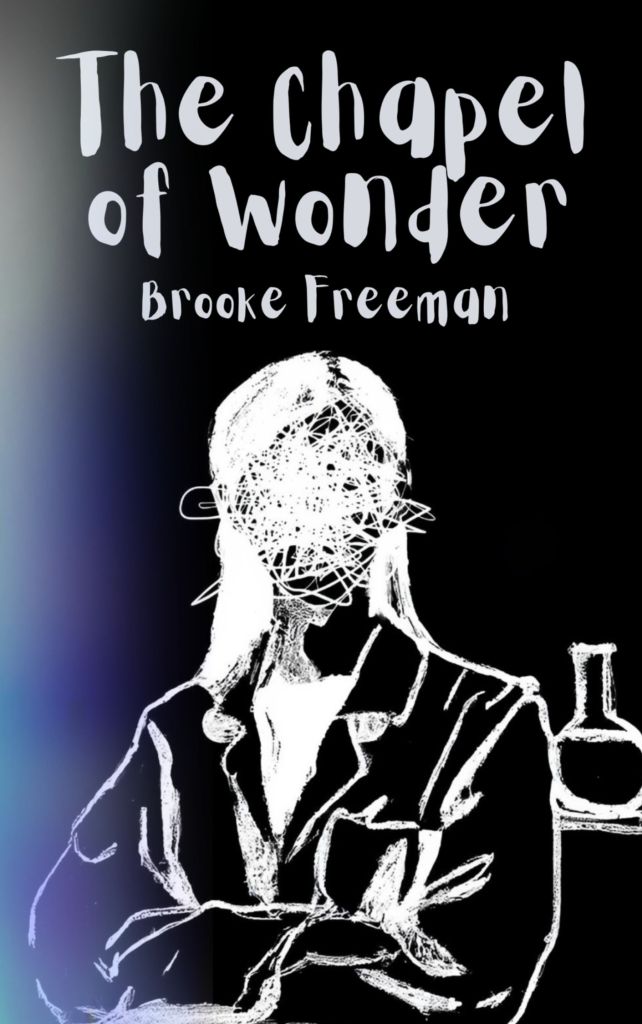
(Psst. Cover design pictured below):

The End Result

Overall, the process was worth it—I loved bringing my poems and images together in one project. Sure, it was a little clunky, but hey, seeing my work all shiny and official was worth every “Oh, not again” moment. So, if you’re thinking about self-publishing, especially with multimedia, I say go for it! Just don’t forget Canva—and maybe take a few deep breaths (And a cup of coffee) before tackling the formatting.

All that being said, my tiny little science inspired multimedia poetry book has been sent out into the world! I can’t really complain to be honest. It was a fun little venture I must say. I also think it was the perfect introduction for me for the world of Kindle Direct Publishing. My book was small (what’s known as a chapbook) so while the formatting felt like it took awhile, I can’t imagine how much longer it would have taken if I published a full-scale poetry book.. which reminds me.

I’d love to do this again.

Probably with a full length poetry. But don’t worry! I probably won’t go the multimedia route (at least for now anyways). Personally, I would love to try my hand at some more traditional poetry but we’ll just have to see where the creative winds take me from here. Thanks for reading and if your morbid curiosity gets the best of you and you have a few bucks to burn, here’s a link to my little project.

Thanks for following along!

Dark Academia, BookTok, and the Rise of Pretend Readers and Writers

We’ve all seen it. The cozy, curated bookshelf perfectly displayed in the background of an Instagram post. The morning coffee next to an antique-looking journal, pens neatly arranged, ready for creative genius. The aesthetic of “being a writer” has become so commonplace it’s practically a meme. And for a while, I fell for it. Hard. I thought I could just step into the mold of being a “dark academia” enthusiast, channel my inner mysterious intellectual, and instantly become a better writer.

And no, I didn’t just stop at buying a couple of vintage blazers or considering how many old books could fit into my perfectly styled bookshelf. Oh, no. I wanted more. I envisioned a life filled with vintage stationery, my writing desk cluttered with typewriters, antique books, and candles to match the vibe. I even fantasized about changing my wardrobe entirely to fit the look. Because, apparently, if you look like a writer, you are one, right?

But then something happened. I realized that I was more interested in creating the perfect aesthetic than in actually doing the thing I was supposedly passionate about. At some point, I paused, looked around, and asked myself, “When was the last time I actually sat down and wrote a story? And more importantly, when was the last time I ENJOYED the process?”

The answer? It had been way too long.

And here lies the problem: aesthetic can sometimes eclipse substance, especially in the realm of writing and reading. With social media platforms like Instagram and TikTok offering a constant stream of perfectly crafted book recommendations, it’s so easy to fall into the trap of thinking that if you curate the right images, use the right hashtags, or post the right “reading corner” content, you somehow become a reader or writer. It’s the illusion of accomplishment without the actual work.

Take, for example, the BookTok phenomenon. While the community has certainly brought attention to books in a way that’s fantastic for some authors, there’s a darker side to this trend that needs to be talked about. Many BookTokers proudly show off their massive book collections, talk about how they love reading, yet in some cases, by their own admission, they skim books with long descriptions and skip straight to the dialogue. They complain to their audience that the book in question calls them to, in fact, read. There’s no real engagement with the material, no deep dive into literary analysis. It’s just the act of being a reader that counts. These BookTokers have “the look” down to a science – their bookshelves are gorgeous, their reading glasses stylish, their curated bookshelf photos scream “book lover,” but when you actually look at their reading habits? It’s a different story.

I’ve had personal conversations with friends who have immaculate bookshelves, whose collections I envy and admire, only to hear them admit they struggle to read physical books now that they’re adults. Life, responsibilities, and other distractions get in the way, and the joy they once found in reading simply isn’t there anymore. One of my friends confessed that she hasn’t read as much as she used to, and when she does, it’s via audiobooks – which is totally valid, of course. But the fact that the aesthetic of her being a bookworm was so ingrained in my head that this fact surprised me goes

It’s not just the reading habits that have been impacted by social media culture – it’s the writing too. We’ve all heard people describe themselves as “writers,” and yet when it comes down to it, they’ve never actually written a word, or if they have, they treat it like a hobby to post about rather than a craft they genuinely invest in. They enjoy the idea of being a writer more than the act of writing itself. I was once there, chasing after the idea of being the writer, making sure my writing-related content looked good on my feed, all while avoiding the actual process of putting words on paper. Because, let’s face it, the aesthetic of being a writer is a lot more comfortable than the challenge of writing itself.

This leads me to my conclusion: the rise of pseudowriters and pseudoreaders is a direct result of the social media culture we find ourselves in. We can fall into the trap of curating an image of ourselves, of building a persona online that seems like we fit the mold of the artist or intellectual. But deep down, we might not even be engaging with the thing we claim to love. And honestly, there’s no shame in that. The shame comes when we let ourselves believe that looking like a writer or reader is enough to actually be one. It’s easy to get swept up in these trends and lose sight of the fact that writing isn’t about the clothes we wear or the books we pose with – it’s about the words we write and the stories we tell.

The real takeaway here is that it’s okay to step away from the aesthetic sometimes. It’s okay to redefine what being a writer or reader means for you. You don’t have to fit a certain mold or maintain a curated online persona. What matters is whether or not you are truly engaging with your craft, whether you’re reading because you love it, or writing because you want to. And if the aesthetic happens to come along with it? Great. But it shouldn’t be the reason you do what you do.

So, let’s focus less on how we look as writers and readers and more on whether we’re actually enjoying the process. Don’t be afraid to put down the fancy stationery and pick up the pen. If it’s not working, change your approach. But never, ever let the aesthetic of it all replace the substance.

A Guide to Instagram for Writers: The Good, The Bad, and the Draining

Is a picture really worth a thousand words? Well, we aim to analyze that very thing today as I walk you through what it’s like to use Instagram as a writer. If you’ve some much as even glanced at Instagram, you’ve probably noticed it seems to the hotspot for creatives. I mean, it’s basically one giant virtual gallery of coffee cups, open books, and people with serious-looking headshots writing snappy, one line poems. But is it actually useful for writers trying to build their craft and audience, or just another time-suck we justify as “networking”? Spoiler: it’s a little bit of both.

So here’s the full rundown of using Instagram as a writer—complete with highs, lows, and plenty of aesthetic pressure.

The Good: The Highlights of Instagram for Writers

  1. Connections, Encouragement, and the Validation of Strangers
    Instagram is kind of like the local open-mic night—someone will always clap, even if you just read your grocery list (as long as you use enough hashtags of course). Through hashtags like #WritingCommunity and #AmWriting, you can find other writers to cheer you on and remind you that yes, there are people out there who care deeply about your haiku on existential dread. Plus, it’s a safe bet that people will comment something nice on your posts, even if it’s just a thumbs-up emoji. HOWEVER, whether these are real people or just bots vying for attention to promote themselves everywhere is up for debate.
  2. The Sheer Joy of Making It Look Pretty
    Who doesn’t love a good aesthetic? Instagram encourages us all to be photographers, so if you’ve got snippets of writing or a stack of favorite books, there’s endless fun to be had. (Although, honestly, does my journal really look better next to a potted plant? The people say yes.) If you’re visually inclined, Instagram might be your paradise.
  3. Slow but Steady Growth (If You Have the Patience)
    I can attest to this one personally. When I first tried sharing my writing, I started to see a slow and steady trickle of followers—as long as I was babysitting my page like a needy plant. But take a break? You’ll be lucky if the algorithm even remembers your account exists. It felt like stepping away for a week was like hitting the reset button, and I didn’t have the energy to keep jumping back in. Eventually, I just let it be, and now my poor little writing page is collecting dust in the dredges of the Instagram algorithm. Oops! Sorry, this was supposed to be the positives section. But now that you mention it, I think it’s time we move onto….

The Bad: The Drawbacks of Instagram for Writers

  1. The Algorithm = Frenemy #1
    Oh, the elusive, ever-changing algorithm. Instagram doesn’t just let you share writing; it expects you to be a part-time social media strategist. Posting at the right time? Check. Engaging with followers? Check. Making Reels? Triple check (seriously, Reels are in). And sometimes you’ll pour your soul into a post only for it to be seen by three people, two of whom are your mom and your bestfriend (love ya girl!).
  2. Perfection Pressure: For When Words Aren’t Enough
    Being on Instagram as a writer is kind of like being told you have to paint a picture every time you write a sentence. A good line of poetry is no longer enough—you have to make it look Pinterest-worthy. This can be draining, especially when all you want to do is, you know, write. But you have to! Because this isn’t the time nor the space to share a novel. You MUST stick to the witty one-liners. That’s all people have time for. Instagram content is made to feed an audience in bite-sized portions. And so you must trim the fat.
  3. Time: Instagram Will Eat It All, Trust Me
    Let’s be real—if there’s a way to waste time online, Instagram will help you find it. Between scrolling through your feed, obsessively checking your notifications, and looking for the perfect font for that post, it’s easy to lose hours. And while we could be writing, we’re often scrolling for “inspiration”—or at least that’s what we tell ourselves.

The Verdict: Is It Worth It?
If you genuinely enjoy sharing your work visually and don’t mind the hustle of keeping up with the algorithm, Instagram can be a useful space for writers. But if it’s taking more time than it’s giving back, maybe dial it back. Remember: your worth as a writer isn’t measured by the number of likes.

Happy posting (or happy ignoring the algorithm entirely)!

June Update

June has been already been rollercoaster. Writing wise. Temperature wise. Emotions wise. The whole shabang. And its been awhile since I’ve updated this little internet corner of mine so why not make a lil summer update for anyone who cares to read about my mostly normal existence.

Grappling with Novel Editing

This month, I found myself immersed in the painstaking process of editing the second draft of my novel. And boy, is it painful. I always tell myself nothing can be worse than banging out the first draft, right? Wrong. Very Wrong. At least for me. Editing has been a task. I’ve wrestled with refining my characters from flat cardboard cutouts to actual functioning people in a narrative, strengthening plot points, and ensuring the pacing flowed smoothly (so the story feels less ramblings and a more cohesive tale). Despite the challenges, I remained determined to bring my story to life and stayed focused on the ultimate goal of sharing my work with the world…and yes we are just now getting to Chapter 5/25. This is a cry for help.

Enjoying the Unpredictable Tennessee Weather

As a Tennessee resident, I’ve learned to appreciate the precious moments of pleasant weather before it takes a sudden turn. This June, I seized (most) opportunities to spend time outdoors, soaking in the sunshine and basking in the beauty of nature. This roughly translates to sitting on my apartment steps and watching the neighborhood cats scurry about before I decided it’s much too humid to be existing.

Taking Life’s Curve Balls

I recently graduated college with my four year degree and, as a breathed the air of freedom, asked myself the question that we all ask ourselves after completing a multi-year long accomplishment- Now what?

For some silly reason, I though I’d know what to do when I got here. I thought job offers would be clambering at my feet or something of that nature but instead I’m greeted with…uncertainty. None of the jobs I’ve looked at seem very appealing- some demand years of experience that I don’t have yet. Some wouldn’t be making any use of my degree and pay like it. Some wish me to travel all over the good Lord’s creation. And still others would require me to relocate to a certain nearby city that I really, really don’t like. (Nashville traffic is legendary).

So here I am. In a season of waiting and looking. I’m not really sure what’s next but at least that does give me time to work on my book in between working my customer service job and trying my hand at home cooking.

Cafe Hopping

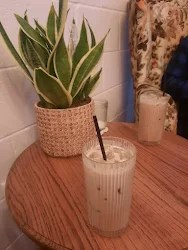
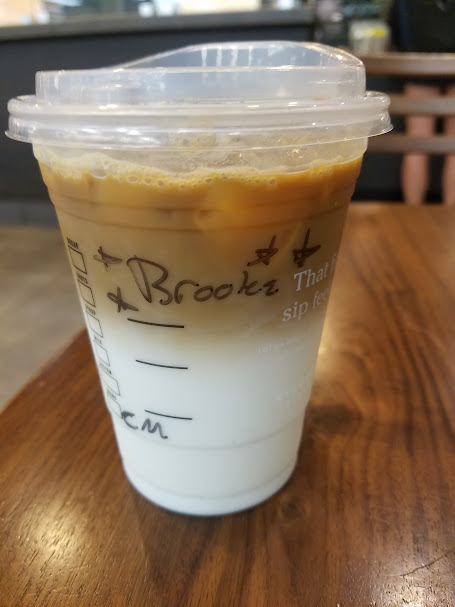
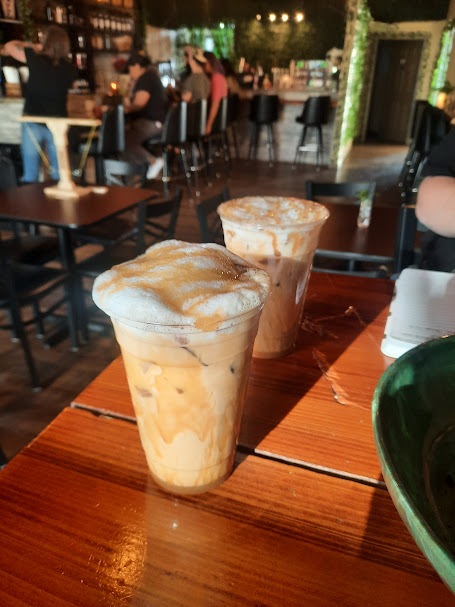
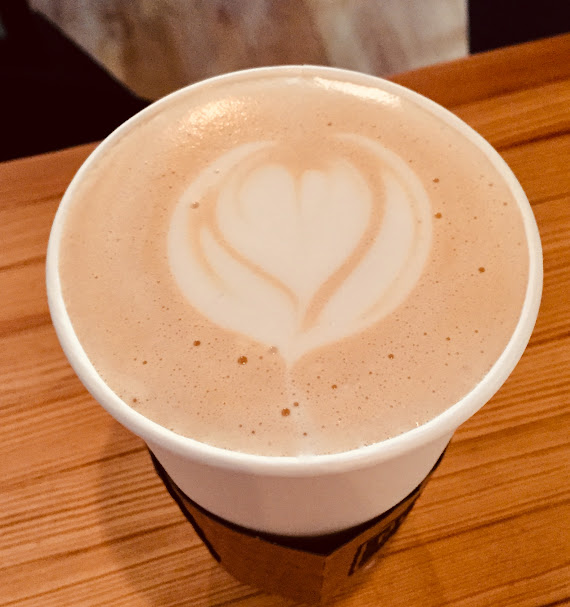
As an avid coffee lover, I made it my mission to visit and explore some of the highly-rated local cafes in my area this month. Each cafe offered a unique atmosphere, friendly baristas, and, of course, delicious coffee. It was a fantastic way to meet new people and discover some hidden gems so I will leave you with a little gallery of coffee here (ignore the starbucks one, I just loved the sharpie stars around my name):

Hopefully that gallery put you in the coffee mood. Take care friends! And, as always, thanks for stopping by!

The Sunshine Blogger Award

Aaaaah yes. Spring time! The time of new life, rejuvenation, aaaaaand FINALS. If you listen closely you can hear the college students screaming in the far distance. Lend them an ear and prayer if you don’t mind. We all need it at this point in the semester.

But, I am choosing to take a break from studying to announce the exciting news that I have been nominated for the Sunshine Blogger Award thanks to the lovely and brilliant Natalie over on The Texas Lass. She’s probably one of my longest running blog buddies so please check out her corner of the internet and maybe, I don’t know… HER NEWLY RELEASED BOOK Reciprocity!! Get it before it FLIES off the shelves and becomes an exclusive collectors item that is a remnant of writerly genius! Or something like that…ahem.

Getting back to the award! We must instill some rules here because the Wild West this blog is not.

The Rules:

  • Display the award’s official logo somewhere on your blog. 
  • Thank the person who nominated you. 
  • Provide a link to your nominator’s blog. 
  • Answer your nominator’s questions. 
  • Nominate up to 11 bloggers. 
  • Ask your nominees 11 questions. 
  • Notify your nominees by commenting on at least one of their blog posts.

Boom. First rule done. Gorgeous Award Banner displayed in all its glory.

As for rule #5, I’ve been sort of been MIA so many of my blogging friends are on hiatus so I shall see how many nominees I can manage. I promise I shall give it all and do my very best to find fitting award bearers. Now onto the fun part- the questions!

1. You’re stuck on a desert island with the main character of the last movie you watched. Are you two escaping, or inevitably getting eaten by crabs?

The Lord of the Rings: The Fellowship of the Ring was indeed the last full film I watched. And here is where we have to ask the complicated question of who the main character is. The story is pretty well divided between Aragorn and Frodo. One companion will almost certainly led to the death of us both via crabs and the other a much more suitable survival companion. Though it is probably safe to say that neither character would be too excited to be stuck with the likes of me in a ANY survival scenario. My body is built for fragility, pining, and writing snarky things about the world around me.

2. What was your main reason for starting a blog?

I’m not entirely sure. A mixture of things I think. The want to experiment with web design and produce something cool and pretty. Also wanting to foster a writing community. And, as Breanna Mentioned over on A Christian Kid’s Journal, just a dash of pride. All together and nice little cocktail of motivation.

3. What book absolutely deserves to be made into a movie?

The Magic Thief by Sarah Prineas. Given that they wouldn’t be butchered.

These books really do have it all. Dragons. Magic Rocks. Wizards. Witches. More Magic Rocks. (They’re shiny too!!).

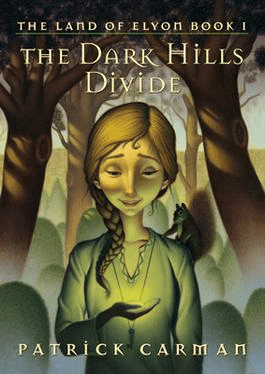
Another solid contender is The Dark Hills Divide by Patrick Carmen. A staple of my childhood as it involved talking animals and… *GASP* magic rocks!!!

Please don’t laugh. These books were 99% of my personality in middle school. Needless to say, I wasn’t the *most* popular at the time.

4. What movie will you always rewatch?

I am a rewatch queen. I’m a girl of comfort foods and comfort movies. I go through phases where I just want to rewatch one thing and that’s what I’m thinking of and watching every night for about a week. Popular picks of mine include Lord of the Rings (The Hobbit movies included. You have to start from the beginning, you heathen), Star Wars (Prequels included but Disney Sequels secluded. They don’t exist in my mind. There are no Disney Sequels on this blog), The Chronicles of Narnia, The How to train your Dragon movies, The Kung-fu Panda movies (The fourth excluded here), aaaand I could keep going. But those are the first ones that popped into my head so they must be important to me. nd yes, before you ask, I do the same thing with shows too (What’s better than binge watching Hogan’s Heroes and Rawhide when you’re sick?).

5. Do you wear socks with sandals? If so, what is wrong with you?

No…but maybe yes.

Not OUT of course. Socks and Scandals is a fashion crime punishable by 50 years in fashion Azkaban. But for 30 seconds when I need to go out and grab groceries and I have some snuggly lil socks on…. I’m not going to go to all the trouble to peel them off just for my pride, okay?

6. You can go back in time for fifteen minutes. Where are you going and why?

This is entirely a cliché but I’d go back and see my past self and tell her things were going to be alright. Specifically me from about a year and a half ago. That’s when I first made the big move to move out of my parents house and my situation was…let’s just say less than ideal. People from all parts of my life said it was going to be “alright”, but I think there was a part of me that was like, “Okay. But what if its not. What if I’m that 1/100 chance where everything just goes wrong.”

I often live with the fear that I am the outlier but in a bad way. Things work out for most people. Tragedies don’t seem to happen to most people. But what if I am not most people?

I think if I saw myself in one piece and happy, I would finally believe it.

7. Do you like to write while listening to music/ambience, or in blessed silence?

Ambience is all my little stressed brain can handle. Lyrics beg me to sing along and then all focus is lost. Rain sounds are fantastic but some good old tavern ambience never hurt anyone. I have a whole study playlist of soundtracks too that also work marvelously for me when writing.

ALSO. Video game Soundtracks.

Perfectly tailored to promote focus and mimic ambience all the same time.

8. If you could wish for any one thing and have it come true, what would it be?

Probably to be able to write for my career. Not just any writing though- DRIVEL. I want to be able to write self-indulgent drivel and somehow get paid for it. Tech writing would contribute too much to the world I’m afraid. I want to get paid for my Avatar the Last Airbender and DnD self insert fanfiction. Any takers?

9. Have you gotten into any new fandoms lately? What are they?

I do wish but alas, I haven’t had much time as of late to get invested in any media that requires me to sit for long periods of time. Between work and school, I am reduced to a brain dead zombie that only wants to scroll through Pinterest at the end of the day before crashing and sleeping for a less then the recommended amount of sleep a human should get. I love being an undergraduate.

10. Are you a morning person or a night owl?

I am always tired no matter the time of day.

This is the unfortunate truth of my college life currently but I do think that will change. My prime functioning hours are 9-5pm but I do love having the evening time to myself. That is MY time and no one can take it away from me. Except for maybe my night time job schedule. *goes to weep in the corner with my coffee*

11. Do you prefer animated or live-action films and shows?

Animated. Hands down. I just love the crazy sort of range of emotions you can portray in the animated medium that doesn’t look at all right in live action but then look too bland if you dumb it down (see disney remakes here.).

Then there’s the charm factor. There’s something inherently endearing about animation that transcends age and culture. Whether it’s the whimsical antics of Looney Tunes or the heartfelt journeys of Studio Ghibli, animated characters have a way of worming their way into our hearts and staying there long after the credits roll. Plus, who can resist the allure of a good old-fashioned dance number performed by a troupe of singing penguins?

And last but not least, let’s talk about nostalgia. For many of us, animation is more than just a form of entertainment; it’s a portal to our childhoods, a time when the world was full of wonder and anything seemed possible. Whether it’s revisiting the classics (The Incredibles? Ratatouille??? Cars 2????? Need I go on???) or discovering new favorites, animation has a way of transporting us back to simpler times, if only for a little while. Heck, sometimes I don’t even have to see the animation to feel the nostalgia punch- all it takes is the enormous, vibrating hum of the THX Logo as it blows the speakers out of any poor, unsuspecting television (Then comes the age old scramble to find the remote. Ah. The good ol days, amiright?).

Gosh, are we done already? Time for the nominees! I think I shall nominate a few blogs I follow regardless of whether or not they are aware of my existence. So, I nominate

Little Blossoms for Jesus

Ailish Sinclair

Miraculous Homeschool

UsandLove

Sircharlesthepoet

Andrea the Illustrator

My questions are as follows:

  1. If you could have any superpower for a day, what would it be and why?
  2. What’s the weirdest food combination you secretly love?
  3. If you could live in any fictional world for a week, where would you choose?
  4. What’s the most embarrassing thing that’s ever happened to you in public?
  5. If you were a flavor of ice cream, what would you be and why?
  6. What’s your go-to karaoke song, and why does it speak to your soul?
  7. If you could swap lives with any celebrity for a day, who would it be and what would you do?
  8. What’s your most irrational fear, and how do you cope with it?
  9. If you could time travel to any era, past or future, where would you go and what would you do?
  10. What’s the most unusual talent you possess that few people know about?
  11. If you could invent a new holiday, what would it be called and how would we celebrate it?

Have fun, fellow bloggers and writers!

How to Develop Your Own Writing Style

Tips to Find Your Voice

In the vast landscape of literature, one of the most cherished attributes a writer can possess is their unique personal style. Much like a fingerprint, your writing style is a distinct imprint of your voice, personality, and perspective. Whether you’re penning prose, composing poetry, or crafting content, cultivating your own literary identity can elevate your work from mere words on a page to a captivating expression of self. So, how does one go about developing their personal style in writing? Let’s delve into the art and craft of writer-ly self-discovery.

1. Know Thyself:

   Before you can develop your personal style, it’s essential to have a deep understanding of who you are as a writer and what you wish to communicate to your audience (Whoever that is! This is another important thing to think about! Who are you writing to? Young Adults? Grieving mothers? Your Great Aunt Mildred? Each of these audiences need different things and you have different things to offer them!) . Reflect on your passions, experiences, and worldview. What themes resonate with you? What emotions stir your soul? By tapping into your innermost thoughts and feelings, you lay the foundation for your unique literary voice. What story do you want to tell? And to whom?

2. Read Widely and Analytically:

   Reading is the nourishment of the writer’s soul. It is the protein shake of your writing inspiration diet… alright this metaphor is falling apart quickly so let’s keep going before somebody notices….

Immerse yourself in a diverse range of literature, from classic novels to contemporary poetry, from genre fiction to literary essays. Pay attention not only to the stories themselves but also to the stylistic choices of the authors. Notice the rhythm of their sentences, the cadence of their prose, the imagery they employ. Take inspiration from writers you admire while remaining true to your own voice. Which CAN be easier said than done. Try to not get all caught up in one singular writer’s work or one genre for fear of having one type of inspirational voice droning in your head. I’m really bad about this too when I write right after listening to an audio book. I am not British and yet sometimes I type like I am because Patrick Stewart reading the Chronicles of Narnia is phenomenal.

3. Experiment with Different Forms and Genres:

   Don’t be afraid to step outside your comfort zone and explore various forms and genres of writing. Whether it’s crafting short stories, experimenting with flash fiction, or delving into creative nonfiction, each genre offers its own unique opportunities for expression. Allow yourself the freedom to play with language, structure, and narrative voice until you find the perfect fit for your style.

4. Hone Your Craft:

   Developing your personal style is an ongoing journey that requires dedication and practice. Commit to honing your craft through regular writing exercises, workshops, and feedback from peers. Pay attention to the feedback you receive (even if it makes you cry sometimes. The only thing worse than killing your darlings is hearing them be critiqued), but always trust your instincts and stay true to your artistic vision. Remember, there are no shortcuts to mastery; it’s through persistence and perseverance that your voice will truly shine.

5. Embrace Authenticity:

   Above all, authenticity is the cornerstone of developing your personal style in writing. Don’t try to mimic the voices of others or conform to trends (As previously stated. Sorry Patrick Stewart); instead, embrace your unique perspective and let your voice ring true. Your readers will be drawn to the sincerity and originality of your writing, and it’s through embracing your authentic self that you’ll forge a deep and lasting connection with your audience (Good ol’ Aunt Mildred or whomever you’ve decided upon).

To Wrap Things Up…

I hope you find these tips both enjoyable and helpful to you. And remember, your voice might change a little with time because, after all, YOU change as well. And that’s okay. It’s alright if you need to revisit your goals. It is okay to reshape your voice along with your experiences as needed or even if you simply notice a shift in your writing over time. As a writer, adopting the mantra that change is good can help you down the road.

Good luck out there and remember- there’s no one who can tell your story like you.