Sometimes life feels like a never-ending list of emails and meal-prepping and remembering your passwords. And while that’s all very adult and responsible of us, sometimes you just want to inject a little whimsy into the day. I’m not talking wearing a tutu to work of course (unless you’re into that? Idk where you work). I mean tiny, delightful oddities that make life feel like a storybook for a second.
So here are some specific ways to be more whimsical. Even if you’re a practical person with bills to pay and a Google Calendar that rules your life. Aright, here we gooo:
Start carrying around one overly specific item for no clear reason. A vintage skeleton key. A feather quill. A deck of cards. Let people ask questions. Refuse to explain. Mystery is 30% of whimsy.
Host a “mismatched tea moment” once a week. No guests needed. Just you, an oddly paired mug and saucer, maybe a cookie, maybe a journal. Bonus points if you wear a shawl like you’re some mysterious wizard woman.
Leave secret messages for your future self. Tuck tiny notes into your coat pocket or inside a book you’ll eventually re-read. “You are loved. Also, buy ice cream.” It’s like time-traveling kindness.
Assign your day a genre. Decide that today is a romantic comedy, or a slow-burn fantasy epic, or a chaotic detective story. Suddenly your coffee run is a plot point, and your bus ride has cinematic tension.
Make a “soundtrack” for your day. Start your morning with French café jazz, switch to dramatic classical when you do emails, then blast 2000s bops while you make dinner. Be the main character in the most eccentric indie film ever made.
Pick a word of the week and use it dramatically. Not a normal word. Something like “bewildered” or “henceforth.” Use it in casual conversation.
Choose a random object as your daily talisman. A marble, a mini pinecone, a button. Carry it like it has secret powers.
Add a secret ingredient to something you cook just because it feels magical. Nutmeg in your eggs. Rose water in your lemonade. Not because it’s gourmet, but because it feels like a potion. Say “a dash of enchantment” while doing it.
Tell the time like you’re in a fantasy novel. “It is the second hour past dawn, and I have yet to answer my emails.” “It is nearly the witching hour—I must fetch snacks.”
Hide something for a stranger to find. A doodle. A quote. A “congratulations, you found this” note under a library chair or taped to the back of a street sign. It’s low-stakes mischief. Good for the soul.
Rename your calendar events. Instead of “Dentist Appointment,” call it “Royal Council with the Tooth Kingdom.” Instead of “Grocery Store,” try “Foraging Quest.” Suddenly errands are… thrilling?
Go out dressed like a book character. Not full cosplay. Just a little nod. A scarf like Miss Marple. Overalls like Anne of Green Gables. Boots like a pirate.
Hopefully these will add a bit of sparkle to your routine!
Hi, my name is Brooke, and I’m a chronic abandoner. Not of people (I promise), but of projects, books, hobbies, that one prom dress I swore I’d make in an attempt to teach myself how to sew… you get the idea I think.
Finishing things has never been my spiritual gift. I’m the queen of a passionate beginnings, you see. I romanticize the planning stage. I make Pinterest boards. I buy cute supplies. I tell at least three people, “I’m so excited about this!” And then somewhere between “this is so fun” and “this is taking longer than I thought,” the energy fizzles out. The end result, I’m sure you can vividly pictures. Shelves of crafting supplies. Half-finished books in word docs galore. A USB stocked with outlines for projects that never quite made it. And not a lot to show for it!
But lately, I’ve been trying something new: actually finishing things. Ok, not everything. But SOME things. Like my poetry book. Like my journals. Like that book series I forgot about. The Prom dress still needs to be hemmed though I’m afraid. We’re not all perfect.
From all this “finishing” going on, I have learned a few things in the process. Disclaimer though, I still have more unfinished projects than finished ones so DEFINITELY take what I say with a pinch-no, a CUP of salt. So! With that disclaimer on the table, let’s get rollin’.
1. Start Smaller Than You Think You Need To
I used to set goals like “write a book,” “learn to quilt,” or “organize my entire life in one weekend.” Funnily enough, these goals would often occur on a late night during the weekend when I was suddenly zapped with ambition. These are not goals. These are lofty, unsustainable, and vague finish lines that realistically take ages to actually cross if ever crossed at all.
Now I aim to “write for 10 minutes,” “sew one line,” or “put away the laundry mountain (just the socks).” Turns out finishing is a lot more achievable when you’re not setting yourself up for theatrical failure. Be realistic and be kind to yourself.
2. Romanticize the Middle
We romanticize beginnings and endings. The start is all fresh notebooks and adrenaline. The end is the glorious Instagram post or the satisfying checkmark. But the middle? That’s where things get boring, awkward, and full of self-doubt.
If you can learn to love the middle and make a vibe out of it, throw on a playlist, light a candle, celebrate the slog, Congrats! You’re halfway there. Progress is still progress, even if nothing is complete just yet. Celebrate more than just the finish-line.
3. Keep a “Done” List
Everyone loves a to-do list, but I’ve started keeping a done list. Every time I finish something (even the tiniest task), I jot it down. Finished a book? On the list. Replied to that one email that’s been haunting me since Tuesday? Absolutely going on the list. Wrote 300 words on a story I’ve been ignoring for months? That’s going in bold and underlined.
There’s something deeply satisfying about seeing all the little wins pile up. It proves that yes, I do finish things, just not always on the dramatic scale I imagined.
4. Stop Waiting to Feel “Ready”
Finishing stuff isn’t about being ready. It’s about deciding to move even when the ending isn’t in sight or planned out. Waiting until I feel motivated has kept me in procrastination purgatory more times than I can count. I’ve learned to accept that I won’t feel like finishing most things but if I just start walking, the motivation catches up eventually.
(Usually after snacks. Snacks are the ultimate motivator.) (And maybe a nap. Naps are important too.) (Honestly, just make sure you’re taking care of your basic needs before you take any of this advice).
5. Embrace the “Imperfectly Done”
Not everything you finish has to be amazing. It just has to be done. The first poem you actually finish might sound weird and cringy. The painting might look better in your head than on canvas. The short story might never get published. But hey! It exists. That’s pretty neat!
AND it’s done. And that’s worth celebrating. You saw it through. You beat the voice that said, “Why bother?”
And with every imperfectly finished thing, you build the muscle. You prove to yourself that you can finish projects. Even if it takes longer than you originally intended (when DOESN’T it???). Even if you abandoned it once and came back weeks later with coffee and renewed determination. Still worth throwing some confetti. Perfection is NOT a prerequisite for appreciation or celebration. (I find myself constantly yelling this at myself mentally).
So here’s your permission slip: Go finish something tiny today. A draft. A to-do item. That sandwich. (Never let a sandwich go unfinished. We eat our crusts around here) You don’t have to be perfect, fast, or even consistent.
You just have to keep going, little by little.
From one recovering abandoner to another, I believe in you.
Now, if you’ll excuse me, I gotta go add this finished blog post to my list!!
In the digital era, where the currency of our time is measured in fleeting moments and short form content and the ting! of notifications are ever present, the art of focus has become as elusive. Our attention spans have been whittled down to where we can barely settle down long enough to read a paragraph, leaving us scattered and unfulfilled as we leap from tab to tab, app to app, in a never-ending quest for the next dopamine hit. And yet, there are a few of us, who are waking up to the startling effects of a shattered attention span. Though recognizing the problem and fixing it are two totally different issues.
I am far from perfect on this journey to rebuild my attention span. My blog is proof of that. If you’ve kept up with my posts at all, you’ve probably heard my bemoaning my constant struggle to put the phone down. I have been delighted that in the recent year, my efforts have been fruitful. I enjoy reading again. It was a bit of a trick finding the correct genre but it’s also been a consistent effort of mentally yelling at myself when I find myself doom scrolling. But now that I’ve achieved this minor victory, this seems like a good time to impart what little I feel I’ve learned in the process of rebuilding my attention span. It’s been a slow process that will continue to be a struggle in this digital age but the joy of reading cozy mysteries in the evening to wind down for bed has encouraged me to say the least.
So, without any more stalling, here is my tips on rebuilding a scattered, tattered attention span:
1. Rethinking your Night Time Routine
Often what has been motivating me to move further and further away from the short-form content consuming life has been this anxious, awful feeling that I get when I finish scrolling. This feeling was by far the worst at the end of the day where I settled into bed and would find myself scrolling for…who knows what?
I’m winding down, I’d tell myself though, I realize now, that I was winding myself up! Scrolling doesn’t relax you in the same way a book or even a comfort movie might. You still paying attention to too much. And I don’t have to remind anybody that it doesn’t take much scrolling to find some bad news that’s infiltrates your mind and messes with your faith in humanity or the world (if there was much of that left anyway?)
This routine, like any routine, is training your brain. In this case, it’s training your brain to think and continue to think even long after you’re ready to be drifting off to sleep. Replace this habit with something entirely different. If you can’t sit through a regular schmegular book, maybe grab a magazine or a poetry book (or something less intimidating and more short). Try and read in some form. This will train your brain to focus on ONE thing and will better relax you for rest.
2. On a Similar Note, Don’t reach for your phone first thing
Still guilty on this front sometimes. But if you do find yourself reaching for your phone, try and replace scrolling with maybe a quick read of an article you like or a quick WORDLE. When that’s done, get up. Though, I will say, in an ideal world, one wouldn’t be reaching for their phone at all, but baby steps! I think, overall, the goal is to not start your day scrolling.
I eventually want to personally progress towards reading a devotional or something else to start my day. Yaknow, something that doesn’t involve my phone BUT we’ll get there eventually. Just not there yet. It’s nice to have something to wake my brain up with and right now that’s a quick crossword that happens to be on my phone.
3. Set Boundaries
Designate certain times of the day as “sacred,” where you commit to a distraction-free zone. This could be the first hour of your morning (like what I was talking about in the above point), where you greet the day with a cup of tea and a good book, or the final hour before bed, where you bid adieu to the screens and let your brain unwind with a gentle stretch or a page-turning novel. These pockets of time, like stepping stones, will help you cross the river of distraction. Each small pocket of time is training your brain, no matter how small. It builds over time. Remember, your brain is a muscle and becomes stronger with consistency and patterns of thinking and focus.
4. Adjust Your Mindset
Try and pivot your brain into a mono-tasking type of mindset. In a world that glorifies multitasking, this can be almost a rebellious act of sorts. Yet, studies have consistently shown that our brains are not wired to juggle multiple tasks efficiently. Instead, we pay a heavy cognitive tax, switching between tasks with the grace of a clumsy octopus who does everything but none of it well. We forget little things. We’re hardly ever present. Our sense of time degrades. And when it comes time for us to focus on something important, it’s a constant battle to not check and see what else is happening in the world through a screen.
Embrace the beauty of single-tasking. Choose one activity and commit to it fully, giving it your undivided attention. This could mean turning off notifications during work hours, using tools that block distracting websites, or even adopting the Pomodoro Technique, where you dedicate chunks of time to a single task followed by short breaks. As you train your brain to focus on one thing at a time, you’ll find that your productivity (likely) skyrockets and your sense of satisfaction deepens.
One thing I found is when I’m getting ready to go somewhere, the time it takes is nearly cut in half if I’m not using my phone. But, if I’m watching a youtube video while I do my makeup or find myself watching reels while I tie my shoes, these actions take a lot longer and I am moving MUCH slower. And my attention is so scattered, I don’t even realize it till I glance at the time and shoot! Running late again!
5. Practice being still
Next, incorporate mindfulness into your daily routine. This ancient practice has been shown to be a potent antidote to the fragmented attention that plagues our modern lives. Begin with short sessions of meditation, stillness, or deep-breathing exercises, gradually increasing the duration as you become more adept. Mindfulness is not about clearing the mind entirely but rather about becoming aware of the thoughts that flit through it like butterflies in a garden. Observe them without judgment, and gently guide your attention back to the present moment. This mental workout strengthens the muscle of focus, making it easier to resist the sirens of distraction when you need to be productive. It’s like doing push-ups for your prefrontal cortex.
What I personally like to do is sit out on my porch at the end of a day, and just…do nothing. Sit, with my eyes shut and listen to my brain or the birds outside. It steadies me and while, I don’t do it every day, I never regret it when I take the time to do so.
To Conclude…
You’re probably never going to reach this fully “zen”, undistracted state. I’ve had to come to terms with this. It is simply because of the times we live in. Unless you’re interested in becoming a hermit, there is always going to be a slight tug to become distracted again. And giving in sometimes isn’t the end of the world. What I’m really after here are the patterns I’m giving into that is harming my brain in the long term. Not that random scroll I did the other day through pinterest while I was in the waiting room of a Doctor’s Office.
The ultimate goal, at least for me, in doing all these things, is to be present. I want to remember my life and feel deeply. And if I’m bouncing from task to task and never trying anything new or focusing, how is that classified as living?
Anyways, I don’t wanna go too deep with you guys on a random Saturday morning where you were just hunting around for some little tips on how you can better your attention span. So, I’ll see ya’ll later!
Growing up, I had so many hobbies I enjoyed. I loved drawing. I loved painting. I loved writing. I rode horses. Did gymnastics. Was briefly on an archery team?? I had so much time and energy—it felt like nothing could stop me. Now, I’m older, with significantly less time on my hands, and what little time I do have is not always spent… wisely.
It’s my phone. The eternal black hole of productivity. On and off, I try to counter this issue, but it’s way too easy to fall back into the habit. It sneaks up on me. One minute, I’m checking one little thing, and the next, I’m horrified by my weekly screen usage report, which is somehow two hours higher than it should be. My goal? Keep my phone use under an hour a day. My reality? A solid three. That adds up to a whopping 1,095 hours a year. That’s 45 entire days.
Wild.
So, in an attempt to reclaim my life from the digital abyss, I decided to try as many hobbies as possible in one week and see how they stack up. My criteria?
How well does it keep me off my phone?
How much do I enjoy it?
Is it something I’d realistically keep doing?
Here’s how it went:
Day 1: Guitar – 5/5
Super easy to pick up. I took lessons for years but stopped when I moved out. I still strum occasionally, but life (aka school and work) got in the way. Now that I have a stable schedule, it’s actually feasible to play again, and I should. It was cathartic pulling out my old music, even if my skills have gotten a little rusty. The only time I reached for my phone was to look up song tabs. A win.
Day 2: Baking – 3/5
I made brownies and a strawberry cake. Baking is a high risk, high reward type of cooking. When you nail it, you feel like a domestic goddess. When you don’t, you’re left with wasted ingredients and existential despair. Also, those 30-minute baking times? Very tempting for a little doomscrolling.
Day 3: Drawing – 4/5
I love making stuff, but I have to be in the mood for drawing. At first, I wasn’t feeling it, but once I got started, I enjoyed it. The tangible result is satisfying, but my inner perfectionist is a menace. Still, solid phone-free time.
Yoga – 5/5
So relaxing. Felt great afterward. No desire to check my phone because I was literally too busy being zen.
Day 4: Running – 4/5
I felt amazing afterward, but actually convincing myself to start? Struggle city. Also, my cardio is tragic. I sounded like a winded cow. But I can see this being rewarding long-term.
Fashion Design – 4/5
A throwback hobby. Very fun and creative, but I didn’t love it as much as I used to. Also, I wish I didn’t despise sewing because that would make this hobby a lot more functional.
Day 5: Journaling – 4/5
I like journaling, but sometimes my brain is just ??? when trying to figure out what to write. Pinterest prompts were a lifesaver. Also, my handwriting is an atrocity, but I powered through.
Graphic Design – 5/5
Worked on page designs for my poetry book and loved it. Canva supremacy. Zero distractions.
Day 6: Reading – 3/5
My attention span is fried, friends. I struggled so hard to focus on what I was reading for longer than 15 minutes. This isn’t the book’s fault. I just need to rewire my brain to focus again.
Crossword Puzzles – 3/5
Fun! Until my brain taps out and I stare at a half-finished puzzle, contemplating my life choices. A clear sign I need more mental workouts.
Day 7: Junk Journaling – 5/5
A top-tier hobby. Relaxing, creative, and sentimental. I collected bits and pieces throughout the week, making it feel like a little time capsule. Highly recommend—but invest in quality glue, or you’ll have regrets.
And there you have it! A week of hobbies, a slight reduction in screen time, and a few activities I might actually stick with. If you’re looking for a way to break free from the phone trap, I highly suggest giving this a go!
I’ve always loved the way a single image can hold a whole feeling. I scroll through my saved photos and see a glimpse of a life I want via this lovely little gallery app we call pinterest. I save it all, friends. Food. Crafts. Clothes. You name it, I’ve probably saved it.
The problem is, I save the pictures, but I don’t always live them. I romanticize ideas. I want to do things like writing letters, playing music, making beautiful food but too often, they sit in the back of my mind like unopened books that I’ve set aside because I got too greedy at the bookstore (This is a metaphor. Totally hasn’t happened haha…). Lately, I’ve been thinking: What if I actually did the things my saved photos make me long for? What if I took those tiny, aesthetic wishes and made them real?
Here’s what my Pinterest-inspired dream life looks like along with the breakdown below:
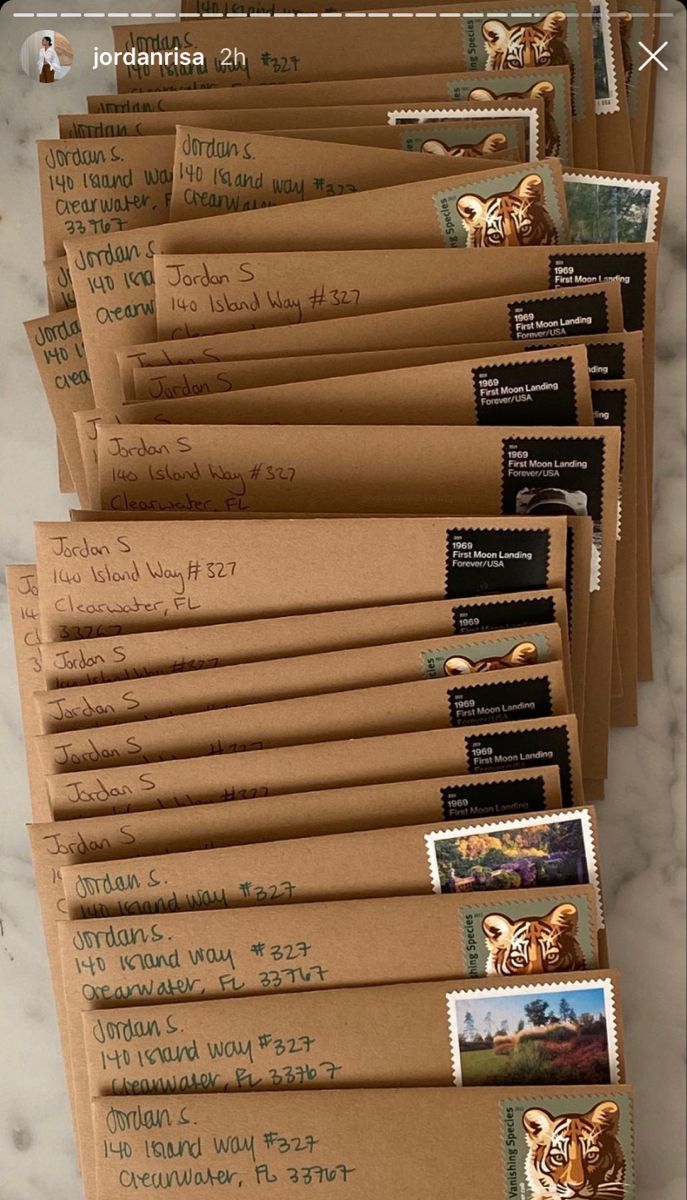
📜 Writing More Letters – I have a picture of old-fashioned letters, some sealed with wax, resting on a desk. Something about it feels so intentional, so full of care. I want to bring that back ya’ll. Deep down, I wish to write to friends just because, to send little notes instead of just texting, to put thoughts on paper and let them live outside my head only to be tucked away in a memory box after sitting on a desk for awhile.
🌿 More Picnics, More Sunshine – There’s a saved photo of a perfect picnic: a basket, fresh fruit, a gingham blanket spread over soft grass. I want to stop treating picnics as some rare, whimsical event and make them part of my normal life. Even if it’s just grabbing a sandwich and sitting outside, I want to spend more time in the sun, breathing in the fresh air, existing outside of office walls.
🎸 Actually Playing My Guitar – I found a picture of a girl playing guitar in a cozy corner of her room, lost in the music. It reminded me of how much I love playing. But it also made me recall how easily I fall in and out of the habit. I go through phases. I pick it up, play for a while, then let it gather dust. I want to be more consistent, to play for the joy of it, not just when the mood randomly strikes.
🍳 Becoming the Girl Who Cooks – A picture of girl mindfully reading a cookbook over a stove. That’s the kind of life I want. I want to fall in love with cooking. And maybe not just the eating part, but lean more into the creating too. I want to slow down, enjoy the process, and make meals that feel like care in edible form. I have somewhat achieved this within the last 3 months but there’s always room for practice. Plus, my toxic trait it leaning into my comfort recipes too much. I want to try new things too!
🗡 Owning a Sword (Just Because) – There’s no deep reason for this one. I just want a sword. A beautiful, slightly impractical, completely perfect sword. Let me live my medieval fantasy.
☕️ Living the Café Life – I save too many pictures of aesthetic café tables, lattes with perfect foam, and plates of delicate pastries. If I could, I would quit my job and dedicate my life to café hopping, sipping coffee, and eating croissants for a living. Unfortunately, capitalism exists. But maybe I can make it a small goal…just a little one to visit more coffee shops, to carve out time to just sit with a book and a cappuccino, even if it’s not my full-time occupation. Just a little me time. Or maybe I’ll bring a friend a long sometimes. ❤
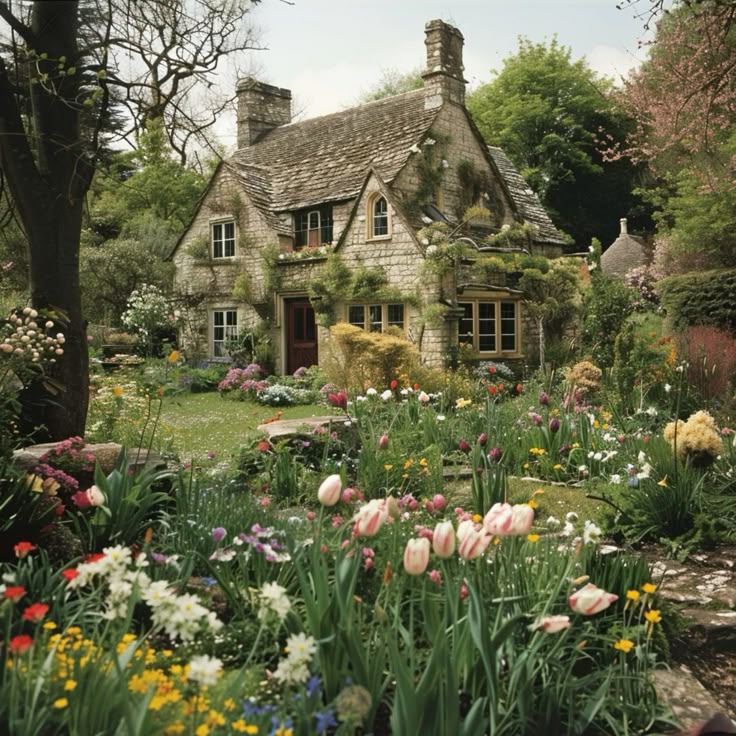
🏡 The Cottagecore Fantasy – A little house with a garden, fresh herbs hanging in the kitchen, mornings that start with tea on the porch. I know I can’t drop everything and move to an English village tomorrow, but I can take small steps. Maybe growing herbs in my kitchen, learning a new skill that feels homely, creating the cottage feel wherever I am. Maybe that’s where that starts?
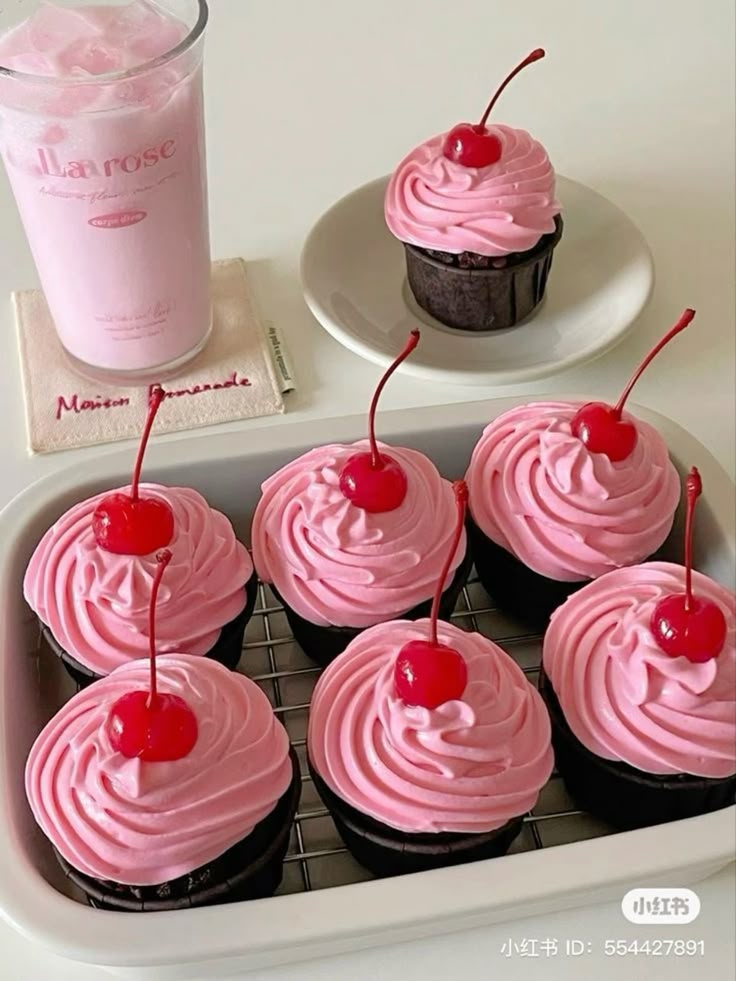
🧁 Making Cute Desserts for People I Love – I save so many pictures of perfectly frosted cupcakes and cute little pastries, but I never actually make them. But really, I’d love to learn to bake things that are as pretty as they are delicious, to surprise my friends with treats just because, to bring sweetness into life in the most literal way.
These are the pieces of the life I dream about. These are the things I don’t just want to admire in pictures, but actually live. Maybe it won’t all happen overnight, but little by little, I want to bring these Pinterest-worthy moments into my reality. I think our lives are made to be much more than galleries.
Look, my brain is a chaotic place. If I had to describe it, I’d say it’s like an overstuffed filing cabinet, but maybe one that got shook up in a move? Thoughts, ideas, grocery lists, and random existential crises. It’s all jumbled together, friends. I tried keeping track of everything in a planner, in my Notes app, and sometimes in an actual, physical notebook. Unsurprisingly, is still felt as if I was forgetting too much. Mostly writing ideas, maybe a grocery list item here and an appointment there.
That’s when I started doing some digging into the concept of a “second brain.” It’s basically a note-taking system where you offload all your thoughts, ideas, tasks (basically everything) into one organized digital space. The idea is to free up your actual brain for, you know, thinking, rather than frantically trying to remember where you wrote down that brilliant idea at 3 a.m.
I’ve only been looking into this for about a week and a half but here’s what I’ve found as far as notetaking/second brain apps go. I’ll give you a quick summary of each based off of my research and some quick clicking around and experimentation plus my personal opinion of each. Though, I WILL mention that I think each has it’s own strengths and may tailor itself to a different type of brain than mine. So, as cliche as it is, I’ll say to each their own.
Logseq: The Powerhouse for Outliners
If you’re a fan of bullet points, outlines, and linking your thoughts like a digital spider web, Logseq is your new best friend. It’s a free (this is the word that convinced me), open-source app that lets you create daily notes, build outlines, and interlink ideas like crazy. I love it because it’s local-first (meaning my notes are stored on my device, not in the cloud), and it uses plain text files, so I never have to worry about losing my data. Plus, the bi-directional linking lets me see how my thoughts connect over time—perfect for writing projects and organizing ideas. It is a little bare bones I will say and in using it, I definitely wish they had an app so I could sync all my ideas that I take on my phone to my software on my computer. Oh well, can’t have everything.
Why I Love It:
Local storage and privacy.
Bi-directional linking (think digital mind maps).
Outlining is its superpower.
It’s free!
Who It’s For: People who love structure, outlines, and organizing their thoughts in a non-linear way. Writers, researchers, and obsessive list-makers. And for those of us who don’t want to spend money but want something like Obsidian minus the subscription. Which, speaking of which…
Obsidian: The Mind Mapper
Obsidian is the cool kid on the block that everyone’s talking about. It’s all about connecting your ideas with backlinks and visualizing them as a network of thoughts. If you’ve ever wanted to see how your ideas relate to each other like a digital conspiracy board (red strings and all), this is your app (MUCH like Log Seq, like I said).
Why It’s Popular:
Graph view to visualize your notes and their connections.
Customizable with a ton of community-made plugins.
Markdown-based (plain text files for the win).
Has an app with across device syncing.
Who It’s For: Visual thinkers who like seeing the bigger picture. Great for creative projects, research, and anyone who likes to link ideas together. But, as mentioned before, you have to subscribe for this service. If you’re okay with dropping some cash, this one definitely looks the cleanest of all the network based notetaking apps.
Evernote: The Veteran with All the Bells and Whistles
Ah, Evernote. It’s been around forever, and for good reason. It’s toolbox is incredibly diverse. You can save text notes, voice memos, images, web clippings, and even PDFs. It syncs across all devices, so you can access your notes anywhere. But there’s a catch: the free version is pretty limited, and the premium version isn’t cheap (sorry to keep mentioning money but if you’re something like me, you might not have money to burn).
What It’s Good At:
Capturing everything—text, voice, images, web clippings.
Powerful search features, including text within images.
Easy syncing across multiple devices.
Who It’s For: People who need an all-in-one digital filing cabinet. If you’re constantly gathering information from different sources and want it all in one place, Evernote is your go-to. Just be okay with spending money.
Notion: The All-in-One Workspace
With Notion you can take notes, manage tasks, build databases, and even design a personal wiki. It’s visually appealing and highly customizable, but it can be overwhelming at first because of how much it can do. I tried it for a while, but it felt like using a sledgehammer to crack a nut (just a bit overkill). That said, some people absolutely swear by it for its flexibility and diversity.
What Makes It Stand Out:
Highly customizable pages and templates.
Collaborative features for team projects.
Can be used as a note-taking app, project manager, and even a personal wiki.
Who It’s For: Power users who want everything in one place. Probably really awesome for someone who does a lot of computer work for their job. If you like customizing workflows and want your notes, tasks, and databases all in one app, Notion is your playground.
Which One’s Right for You?
Choosing a second brain is, as most things are, up to your own personal taste and what type of record keeping jives with your brain. If you love outlining and linking ideas, give Logseq or Obsidian a try. Want a digital Swiss Army knife? Notion’s your best bet. Need a reliable all-in-one solution with easy syncing? Go for Evernote. And if you want something simple, there is definitely no shame in using your phone notes.
Personally, Logseq has caught my eye and I will probably make a whole other post based off of my experience with it. But, if any of the other apps or programs have caught your fancy, why not give ’em a go?
Maybe it’s time to give your brain a break and get yourself a second one. Just a thought. Or maybe mine’s the only one that needs a breather. Either way, thanks for reading!
I’m a big believer in the idea that small adventures make life more interesting. So, I decided to challenge myself to try something new every day for a week. These would be little things that would shake up my routine and maybe introduce me to a new favorite. So, without further ado, here’s how it went:
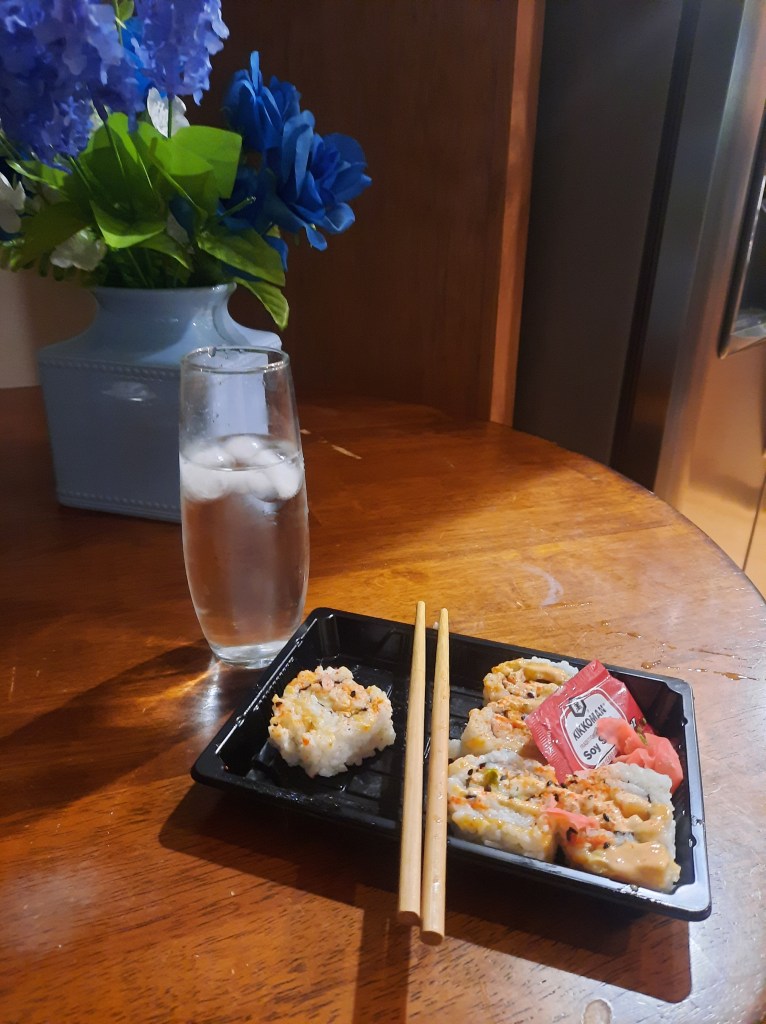
Day 1: Sushi Exploration
I’ve had sushi before, but I wouldn’t call myself a sushi connoisseur. My local deli recently started making a variety of sushi rolls, so I figured, why not? I quickly learned that I do not like sour-tasting sauces (I wasn’t expecting it to be so….tangy?), but I loved the spicy shrimp roll. A new go-to? Possibly. The experience overall was a 3/5.
Day 2: A New Coffee Spot
I’m always down for a new coffee experience, so I visited a café called White Bison. Cozy vibes? Check. Good coffee? Absolutely. I ordered a toffee latte, which was perfectly sweet and nutty. The coffee shop also had a nice, homey atmosphere and even had an upper floor. I can imagine it would be a great study spot.
Day 3: Discovering a New Music Artist
Music discovery is one of my favorite low-effort, high-reward experiences. This time, I stumbled upon Sara Groves, a Christian songwriter and composer. Her lyricism is chef’s kiss, and my favorite song so far is Lay It Down. Highly recommend if you like thoughtful, faith-filled lyrics.
Day 4: Trying Matcha
I finally gave matcha a shot. It’s one of those things that everyone seems to love, so I had to see what the hype was about. Verdict? It’s good…but only if I drown it in vanilla cold foam and sweetener. Otherwise, it tastes a little too earthy for me. Something akin to mowing the lawn with your mouth open. I’d love to learn to make it my sweet way at home and maybe swap it up a bit so I’m not always consuming an ungodly amount of coffee.
Day 5: Testing a New Recipe
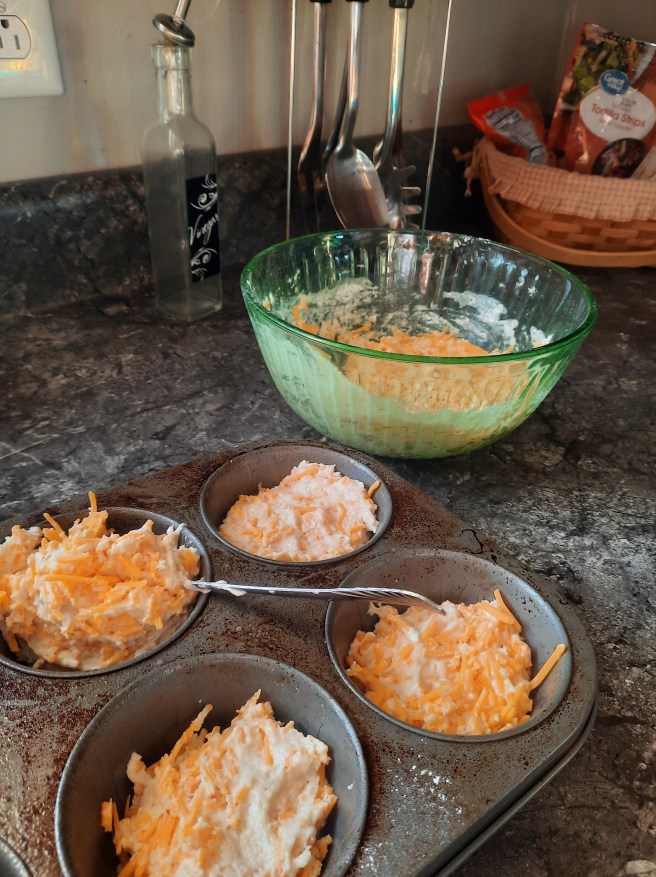
I decided to bake cheddar and ham muffins, and let me tell you, friend, they were way better than expected. Soft, cheesy, savory, and surprisingly filling. These might just be my new favorite breakfast meal prep. This was probably my 5/5 experience for the week.
Overall, this little experiment was a fun reminder that trying new things doesn’t have to be dramatic or life-changing. Even the smallest discoveries such as a new coffee order or a song that resonates—adds richness to everyday life. Who knows? Maybe I’ll keep this streak going! It’s been a fun little challenge to brighten up my now regular 9-5 work schedule. It’s easy to let time get away from you when you work a regular job I’m realizing. This little challenge felt like it helped me be more present and make better use of my time (be more experimental in small ways).
So! Now I’m going to turn the question to you, dear audience! What’s something new you’ve tried lately?
Every year, I’ve set goals, made resolutions, and tried to will myself into change. I will add that sometimes it works! (And sometimes it doesn’t.) But this year I wanna do something a tad bit different. Instead of adding more to-do lists and lofty goals, I am instead going to (attempt to) ground myself with a few simple mantras: words I can carry with me into this next chapter of my life.
1. Learn, Learn, Learn
I started my career as an environmental scientist this year, and let me tell you, it’s a humbling experience to realize how much I don’t know. There’s training to complete, processes to understand, and a whole world of knowledge to absorb. But instead of letting the learning curve overwhelm me, I’m going to try and embrace it.
“Learn, learn, learn” isn’t just about my job too. It’s also about staying curious in everything. It’s about asking questions, making mistakes, and knowing that growth doesn’t happen overnight. Additionally, I want it to serve as a gentle reminder that I don’t have to be perfect. The learning process involves failure and it is impossible to skate around. While this concept hurts my perfectionistic, failure-fearing soul, it is something I simply need to continue to work towards getting past.
2. Do the Thing
This one’s for my poetry and my perfectionism. For too long, I’ve held back. (Camera cut to me editing endlessly, second-guessing myself, and letting fear keep me from sharing my writing). But this year, I’m done waiting for the perfect moment or the perfect version of anything.
“Do the thing” is about action. It’s hitting “publish” on that blog post. It’s sharing a poem without worrying how it will be received. It’s letting creativity flow without overthinking it. Fear might still be there, but this year, it doesn’t get to win.
3. Enjoy the Life Phase
If there’s one habit I know I have, it’s looking forward into the future. I do this in every possible way. I look to the next step, the next milestone, and the next season of life. I’ve always been someone with one eye on the future, dreaming of what’s to come. But in doing so, I often miss what’s right in front of me.
“Enjoy the life phase” is my reminder to slow down. To appreciate the small joys of where I am: my new job, my cozy home, my two cats (who are as chaotic as ever). I don’t want to rush this time just because it feels like a stepping stone to something bigger. I want to look back and remember how full and good this season was—even with its growing pains.
4. Show Up for Yourself
This is a mantra I’m adding to the list because I think we all need it. “Show up for yourself” means being your own cheerleader when things get hard. It’s about taking care of your mind, your body, and your heart. Showing up looks different every day. Some days it might mean eating a real lunch instead of chips from the pantry, going for a walk, or saying no to something you don’t have energy for. Whatever it is, it’s a promise to treat yourself like someone worth showing up for.
5. Let Life Be Messy
I’m someone who loves a plan. I like knowing what comes next, how it’ll happen, and where it’s all leading. But if there’s one thing I’ve learned, it’s that life rarely fits neatly into plans.
“Let life be messy” is permission to let things unfold as they will. It’s accepting that some days will be chaotic, some dreams will take longer, and some journeys will twist and turn in unexpected ways (and, again, that’s okay!). The messy parts are often where the magic happens, right?
These mantras are my anchors for the year ahead. They’re reminders to take things one step at a time, to be brave, to be present, and to let life happen as it comes.
If you’re feeling inspired, I’d love to hear what mantras you’re carrying into the new year. What words or phrases will guide you through this next season? Share them in the comments!
Finding the perfect gift for the writer in your life can be as complex… annoying. I say this as a writer. It is very common that someone doesn’t know what to get me so I somehow end up with a tower of empty journals and an overflowing desk cup filled with new pens. I understand, it can be annoying to buy for us and sometimes one doesn’t know where to start when getting something thoughtful for the word-weaver in their family or friend group. Writers are often particular about their tools and tastes, but there’s a world of thoughtful, creative gifts beyond the basics that will make them feel truly understood. Here’s a guide to inspire your holiday shopping for the wordsmith you adore.
The Basics (But Make Them Fancy)
Pens: Writers love pens, but gifting them a luxury pen—like a Lamy fountain pen or a weighted rollerball—can elevate their note-taking experience. Bonus points if you include a refill set in their favorite ink color!
Journals: A writer can never have too many journals. Opt for a unique twist, such as leather-bound notebooks, journals with prompts, or eco-friendly options made from recycled materials.
Books on Writing: Classics like On Writing by Stephen King or The Artist’s Way by Julia Cameron are staples, but consider books on niche writing topics or even beautiful annotated versions of their favorite novels.
Step It Up: Gifts That Show You Truly Get Them
Subscription Boxes for Writers: There are subscription services like Scribbler or The Writer’s Box that deliver curated goodies, writing prompts, and insider tips from published authors every month.
Customized Writer’s Toolkit: Assemble a personalized kit with items like sticky notes, page flags, highlighters, and correction tape. Include a pouch or box engraved with their name or a quote about writing.
Noise-Canceling Headphones or White Noise Machine: Whether they thrive in silence or need the soothing sound of rain, a tool to manage their audio environment can be invaluable for focused writing sessions.
Specialty Coffee or Tea: Many writers are fueled by caffeine. Look for unique blends or quirky mugs (a typewriter-themed one, perhaps?). Add in a high-quality milk frother for the latte-loving wordsmith.
Bookends or Shelf Accents: Help them organize their beloved writing books or display their work-in-progress stack with quirky bookends shaped like typewriters, quills, or punctuation marks.
Truly Unique Ideas for the Writer Who Has It All
Custom-Made Book Cover Art: Writers with published or soon-to-be-published works will swoon over framed custom cover art of their book or even a faux cover design for their work-in-progress.
A Writing Retreat Voucher: Gifting a weekend at a cozy cabin or a spot in a writing retreat program can give them the solitude and inspiration they need.
Quirky Desk Accessories: Think vintage typewriter-inspired keyboards, literary-themed calendars, or even a tiny desktop hourglass to time writing sprints.
Personalized Word Necklace or Bracelet: Have their favorite word, their own name, or the title of their book engraved on a piece of jewelry.
A Masterclass Subscription: Access to workshops by renowned authors like Neil Gaiman or Margaret Atwood can be an incredible resource and a dream come true for many writers.
Unique Inspiration Tools: Try something like the Rory’s Story Cubes or a deck of writing prompt cards to help spark creativity.
Gift a Domain Name: If they don’t already have one, buying them a domain for their writing blog or portfolio is an incredibly thoughtful and practical gift.
Customized Wax Seal Kit: For writers who enjoy a touch of old-world charm, a wax seal kit with their initials or a literary-themed emblem adds a personal touch to letters or notes.
Stocking Stuffers for the Literary-Minded
Literary-themed socks, tote bags, or pins
Magnetic poetry kits
Tiny pocket dictionaries or thesauruses
Bookplates with their name on them
Candles inspired by books or writing (like “Library” or “Freshly Sharpened Pencils” scents)
Of course, these gifts and their usefulness will vary from person to person. However, I think this list is a great starting point or sparking inspiration for that special writer in your life. Whether they’re a poet, novelist, or someone just discovering their voice, there’s something here for every writer to inspire them and remind them that their craft is worth celebrating.
What’s the most creative gift you’ve ever given (or received) as a writer? Let me know in the comments!
I’ve been there, friends. Far too many times in fact. Staring at a piece of writing I’ve poured my heart into, hovering over the “Post” button, my stomach twisting. The thought runs rampant: What if people think this is weird? What if I’m awkward? What if this is…cringe?
Social media has given us a strange gift: the ability to share our creativity with a potentially massive audience. But alongside that gift comes the shadow of The Fear. The fear of being judged, of being misunderstood, or, quite possibly, being dismissed as “cringe.”
“Cringe” is potentially the ultimate insult in internet culture (at least as I see it as a creative). It implies that you’re trying too hard, caring too much, or daring to be earnest in a world that values ironic detachment. And when you create something as personal as a poem, a story, or a piece of art, putting it out there can feel like standing naked in a spotlight. There you are, lain bare. You want to be seen, but what if the crowd points and laughs?
I know this fear well because it’s held me back from sharing my own poetry. I love writing. It’s how I process life’s more difficult moments, capture fleeting emotions, and just overall express myself. But when it comes to posting a poem online, I freeze up. What if they think I’m pretentious? What if someone mocks me for using certain metaphors or for feeling something too deeply?
Here’s what I’ve realized, though: creating art isn’t about avoiding cringe. It is about embracing it.
Much of great art has, at some point, been considered cringe-worthy or at least wasn’t super appreciated in its time. Van Gogh’s bold, swirling strokes? Art of a talentless, crazy hack. The Beatles’ early love songs? Cheesy and dare I say, corny? Writing poetry and sharing it with the world takes guts because it’s vulnerable. It’s deeply personal. But that’s what makes it real.
If you spend your life avoiding the risk of being cringe, you also avoid the chance to connect with people. Because here’s the thing: for every person who might snicker at your poem or scroll past it, there’s another person out there who will feel seen. Your words and art could be exactly what they needed in that moment.
And, let’s be real, the alternative is even cringier. It’s cringy to hold back your creativity, to stifle your voice, to live in fear of what a bunch of strangers online might think. It’s cringy to not make something, to let fear make you boring and scared and silent.
So here’s my advice (to you and to me): Post the poem. Share the art. Write the awkward, heartfelt, overly-metaphorical thing and let it out into the world. Someone will cringe, sure. But someone else will care. And in the end, the world needs more people who dare to care.